
I traveled over the hill to the nearby monastery one morning last week and pruned roses for three hours. The sisters who came to this place inherited a big garden next to the river, with many plantings they are learning to manage. Sister Xenia is the chief gardener, and she spends a lot of time on the job, but it’s not the only task she’s assigned, and she appreciates any help outsiders can give.
Frost had to be scraped off my car before I left home. It was still below freezing at that time, and I wore my denim skirt, leggings, work boots and a thick flannel shirt over one of my old turtlenecks. But after I’d arrived and started in with my clippers, it wasn’t long before a springtime breeze began to blow.
 So many roses! And most of them are not in a location that is good for roses; they are in the shade too much. Each bush was a big challenge to my skill and art, presenting one or more problems including:
1) Too tall and leggy, with no buds down low that my pruning might channel the lifeblood to.
2) Too many large canes and branches crowding each other, so that I had to thin drastically, after deciding based on uncertain parameters which ones to remove.
3) Bushes growing too close to another type of shrub or tree, as in the case of the one pictured, where a Pittosporum has surrounded one tall rosebush.
4) Growing close to the path or over the sidewalk, catching on the sisters’ habits or poking passersby.
5) Dead wood
It really was a joy to have quiet time to focus completely on a project like this, and I needed every bit of my mental resources and powers of concentration to do the work. Also my imagination, as I tried to envision what effect my cuts would have on each bush in the next months and even years.
Afterward when I was driving home, I began to ask myself why I hadn’t prayed while working, and quickly realized that it had taken all of my attention and creativity to do the task set before me. Is it perhaps a little like restoring a painting that has been severely damaged… a little like designing a building that must be raised on top of living ruins? I wonder that, having no real knowledge of those types of art.

One thing for certain, the glory of this art won’t show until after many weeks the plants produce the actual rose flowers. I have just decided that a visit to the monastery is necessary when that brilliance begins, because I’ve never even seen these bushes in bloom. In the meantime I’m posting some old rose photos from my own parish church grounds, to keep me happily anticipating warmer weather.
At about noon the nuns gather for the 6th Hour prayers, and when the bell rang the announcement I laid down my tools and joined them. There was my chance to pray and soak up the Spirit, and the spirit of the place, and to stand up straight for a while and breathe the incense.
I hadn’t pruned all the roses, but I ate lunch with the sisters and went home anyway, meditating on what made the experience so fatiguing. Does it cause God this much trouble to prune us, as the Bible says he does: “Every branch that bears fruit He prunes, that it may bear more fruit. John 15:2” Does He say to Himself, “I did the best I could, under the circumstances.”? Maybe we grow all out of shape in odd ways, not getting enough of the Sun of Righteousness.
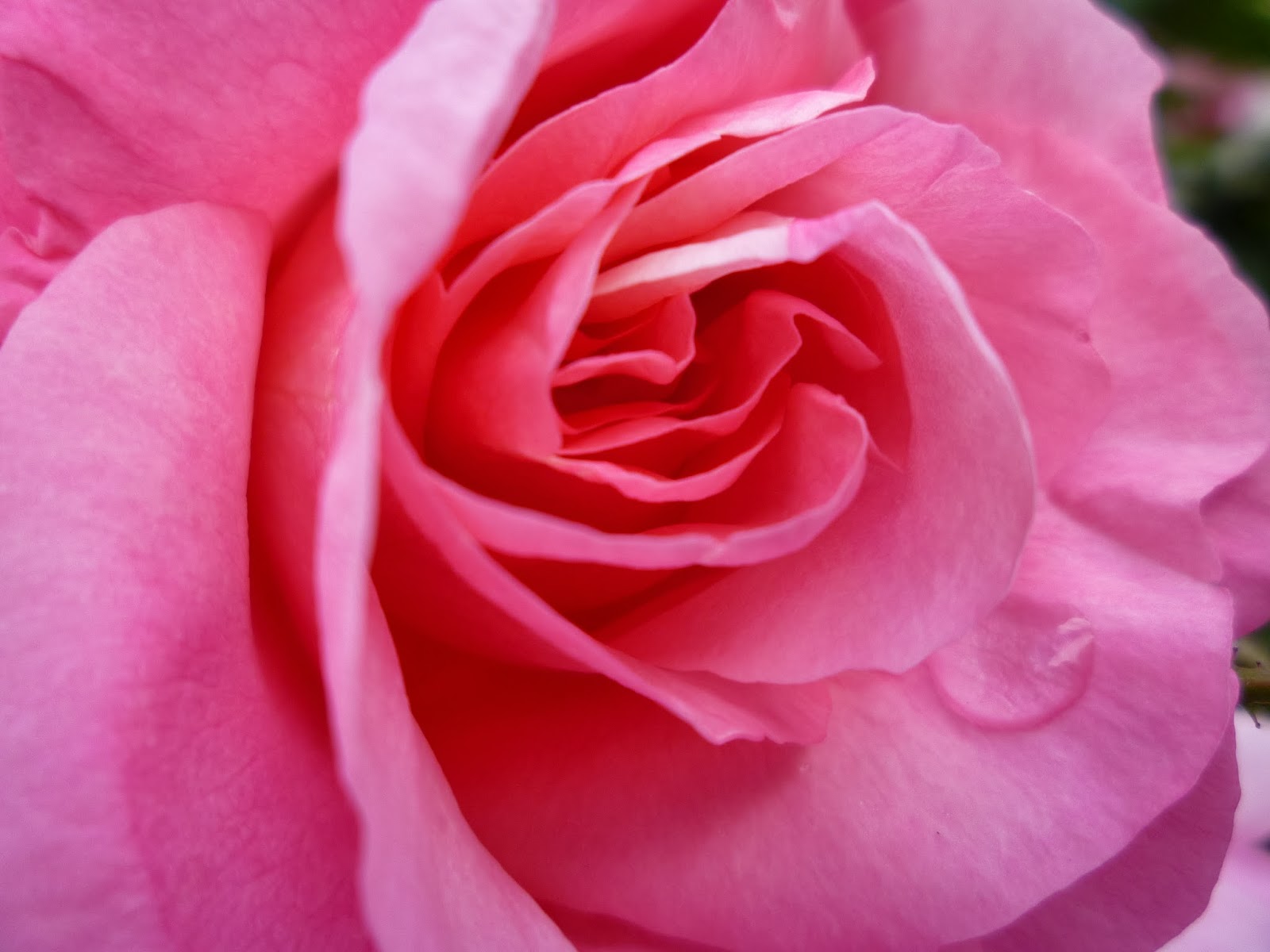 Speaking of sun, it had brought the temperature up to 79 degrees that afternoon. We are all aching for rain here in the West, as we suffer a terrible drought that makes it hard to enjoy those lovely warm rays. The drought is like a dark un-cloud looming behind the sun. Now that I am invested in a few dozen rosebushes, I am a little concerned that some of them might not make it through a water-rationed cycle of seasons to next January when I will try to get back and minister to them.
As we anticipate a possibly very long dry season, my motherly/sisterly feelings are reaching out to the plants and animals, and I’m praying more intently in Divine Liturgy along with the deacon, “For favorable weather, an abundance of the fruits of the earth, and temperate seasons, let us pray to the Lord.”


 In a separate bowl, combine the remainder of the ingredients. Add to the carrot mixture and mix well. Pour into a greased 8″ square pan. Sprinkle with coarse sugar.


