Two new pieces of equipment helped immensely to make my Oregon road trip a joy: the first good raincoat I’ve ever had, and my new iPhone. The way they accomplished this was by helping me to relax so that I could be receptive to all the people, scenery, stories, and weather that came my way.
Not long ago I figured out how to use the maps feature on my cell phone, and now I engage the help of the eternally patient lady who tells me when and what direction to turn. She is the only navigator I’ve ever had who knows all the roads, and even if I miss my turn several times, she never gasps or raises her voice or shows the least bit of anxiety about the situation. She doesn’t shame me.

I’m really poor at orienting myself – I get turned around so easily and even after studying maps, I often go the opposite direction from what I intend. This makes me an unlikely road-tripper, because if I explore new places the threat of getting lost keeps an undercurrent of anxiety flowing. I wasn’t quite conscious of this feeling until it was gone.
Going north from home, I almost always stop at Pippin’s near the top of California, because it’s about five hours away, and that is certainly long enough to drive in one day. I get to see Scout, Ivy and Jamie, and often take a walk, hold a purring cat, and see some new flower or insect.



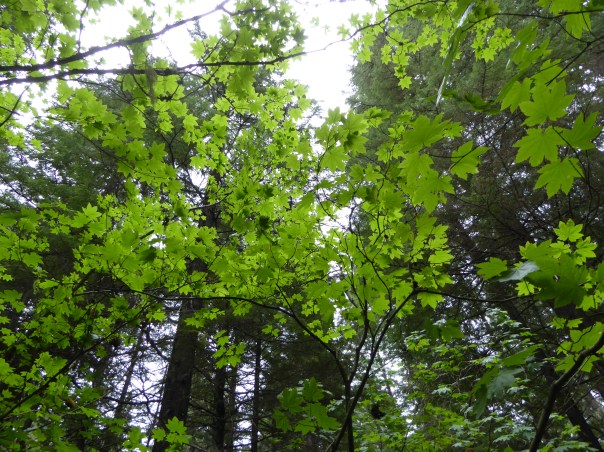
I smell the trees, which perhaps because of the density of the forest make their aromas intensely present. Getting out of my car in their driveway, I am handed a delicious and rejuvenating drink in those first whiffs of pine and cedar and fir.
Ivy showed me her Hole, the spot she has appropriated where the furniture does not come together the way her parents would like, but where a child can be glad of the wonkiness, and fit snugly.

This time, I continued to Pathfinder’s in southern Oregon where my third grandson in that family was graduating from high school. I wore my raincoat when we went to the ceremony, where the mist turned to drizzle turned to rain, and at one moment all of the graduates, who were sitting in the open, stood up and donned ponchos. We the audience had roofs over us, but we sat on metal bleachers and our legs and backs stiffened with the damp and cold. Our particular group was snacking on Peanut M&M’s and Red Vines during the whole evening, leftovers from an afternoon graduation party we’d enjoyed in the rain, under umbrellas and awnings. I felt a special camaraderie sharing the mildly uncomfortable local weather with my people. It was for a good cause.
My raincoat was a recent purchase that I think God must have prompted me to accomplish, because after trying in late winter to find a really good and proper raincoat, something I’ve never had, I had given up and decided to wait until the fall when there would be more selection. Then I got a 20% coupon for a store that was having a 40% off sale, and I couldn’t resist trying again, and succeeded. I put my beautiful rain gear in the closet for next fall, not having any idea at the time that I would soon be needing it.
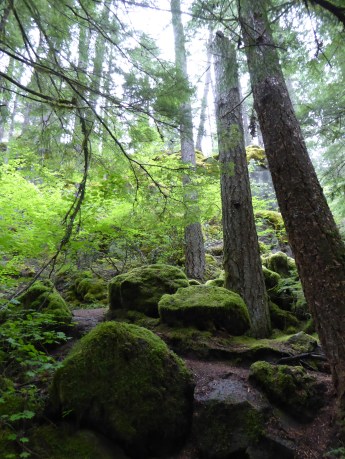
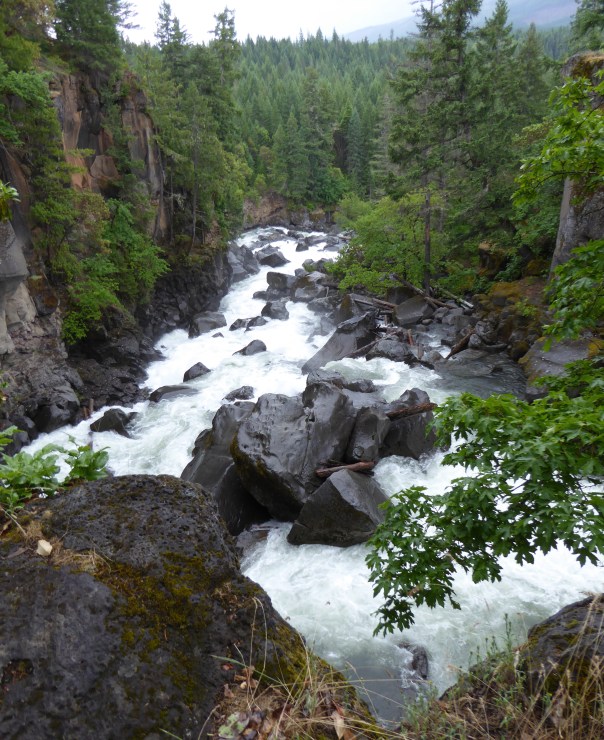
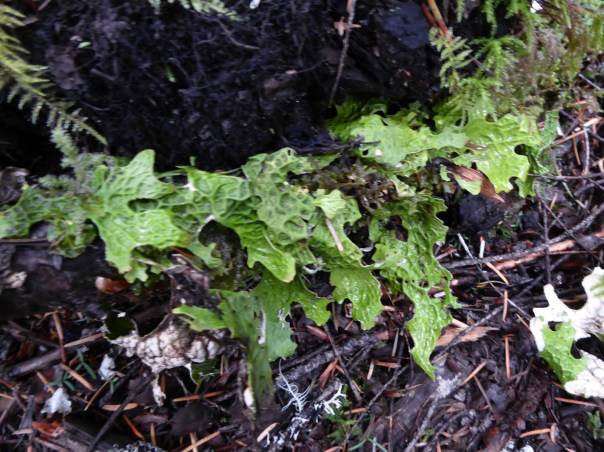
Pathfinder and Iris took me on a Sunday afternoon outing that included a visit to Mill Creek Falls and Pearson Falls on the Rogue River. The rain seemed to have let up that afternoon, but the woods were very moist and lush. The Rogue River is a beauty!


When I left my family, I drove farther north visiting the Oregon Coast and the town of Astoria where I’d been with my late husband four years earlier. At that time we’d said we must come back for a more leisurely visit, and this was my chance to do just that.
I wanted to climb the Astoria Column again and stare at the misty rivers that were the waterways and/or neighborhood for Lewis and Clark, that winter that they spent on the Pacific Coast before returning cross country to make their report to President Thomas Jefferson. And I wanted to walk on Oregon beaches and collect more sand samples to add to my tiny collection.
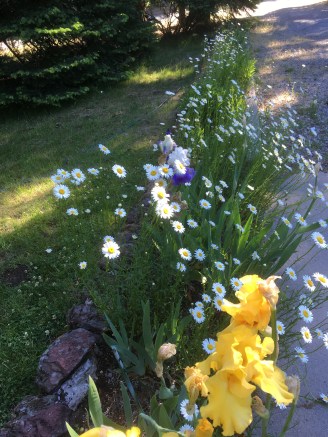
I took all day getting up the state. I kept trying to take pictures of the oxeye daisies that were sprinkled everywhere and waving so cheerfully even in the rain. But the ones that are weeds in Pippin’s flowerbed are the prettiest.

I stopped at Manzanita Beach and walked with a friend – um, having forgotten my raincoat ! in my car, so I was exposed to the gentle and mild Oregon rain that fell that afternoon, and felt better for it. That’s how Oregonians do, anyway! A change of clothes was also waiting in my car.
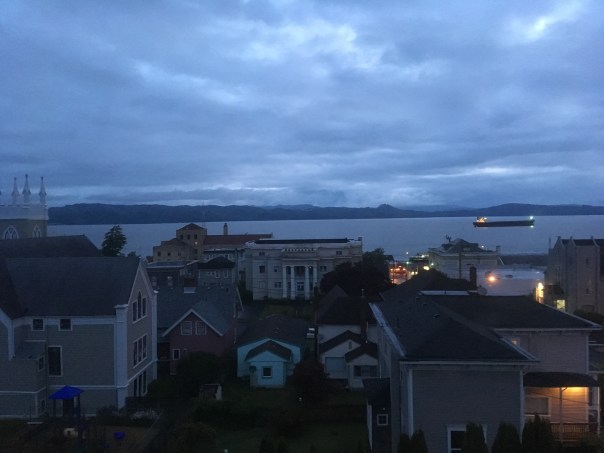
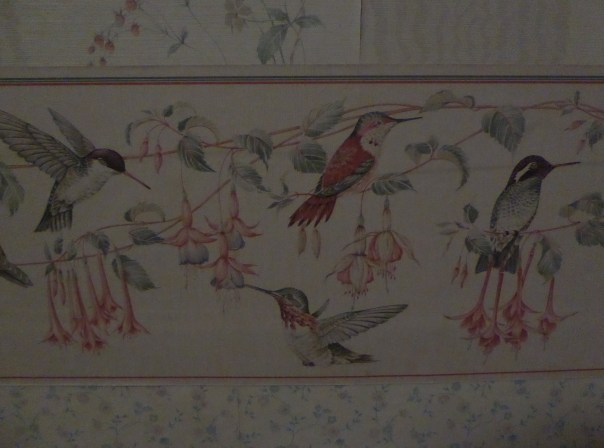
My B&B was in the hilly part of town, above the Columbia River, and my room, “Little Hummers,” was up high enough that I had this view of the river the night I arrived late:
Another thing I liked about my lodging was that it was just a mile from the Column, so one morning when I woke hours before the scheduled breakfast, I set out on foot up the steep hill behind the hotel, and then climbed 163 or so steps to the top, where you open a heavy door and step onto a balcony in the round from which to view three rivers and the ocean. It was barely eight o’clock and I was the only one in the park. It was sublime.
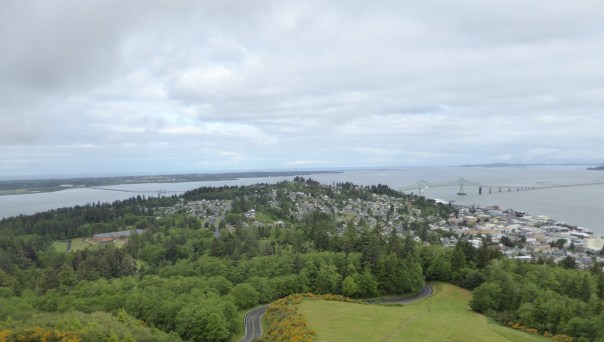
If you cross over that bridge on the right, you land in the state of Washington.

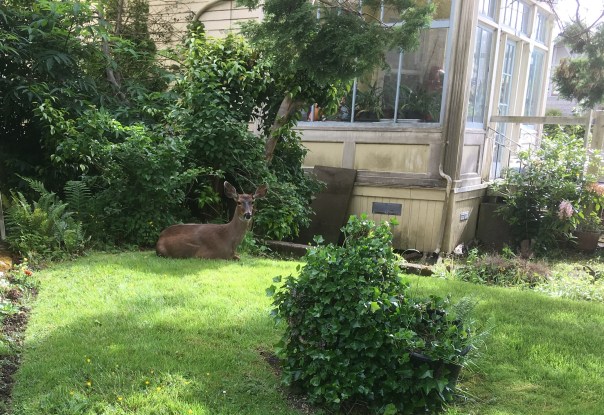
When I returned to my hotel, I stopped on the sidewalk in front to dig in my bag for my key, and when I looked up this deer was calmly considering me. She had a young fawn hidden in the bushes; that evening I looked out my window to see them picking their way across the grass in the dusk.
This same day I visited Fort Clatsop, and while waiting for my friends to join me, I studied this map at length. In the car I had been listening to Undaunted Courage: Meriwether Lewis, Thomas Jefferson, and the Opening of the American West by Stephen Ambrose, without the aid of maps, of course, so this was my chance to imprint the picture into my mind.
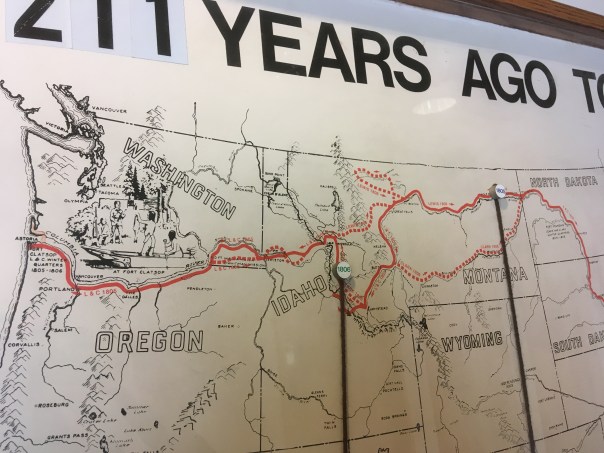
I never get tired of hearing about Lewis & Clark and the many things they and their Corps of Discovery did and discovered, so it was fun to visit this park again. I spent the rest of the day in Astoria, and didn’t get showered with either rain or sunshine.
Back down the Oregon Coast I drove, to the town of Newport where the Sylvia Beach Hotel stands above Nye Beach (Sylvia Beach is the name of a person). I was so bushed from lack of sleep, and from hauling my bags up three flights of stairs, that I crashed on the bed for a quarter of an hour and enjoyed this view out my window, as the breeze flowed in:
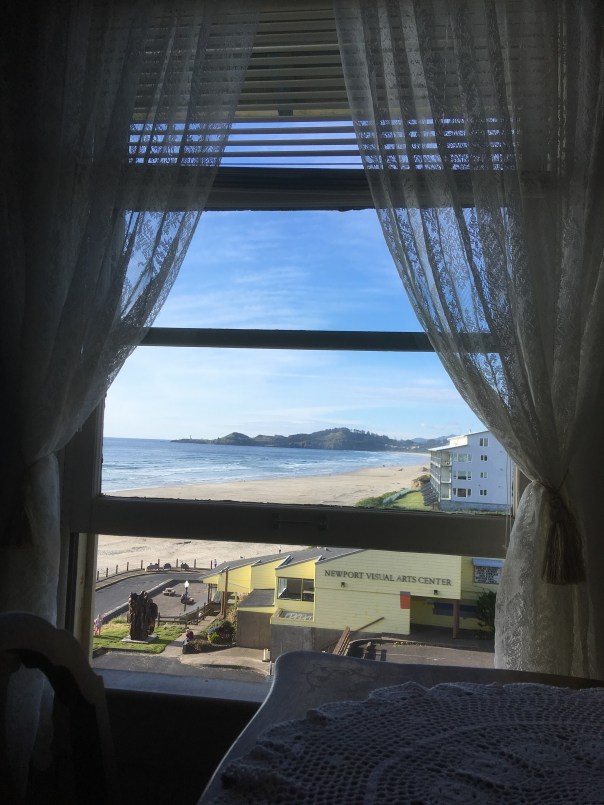
This was the first day of my journey that the sun shone, and it was wonderful. I knew that rain was forecast for the next day, so I needed to take advantage of the afternoon. I went down to the beach and sat with my back against a log, and let the sun pour down on my face until it had gone away and down. I left my windows open all night and listened to the surf!

Yes, the next day was stormy. I tried walking on the beach in my raincoat anyway but the wind was blowing too hard, and sand stung my face. So I took a nap, and then enjoyed the howling of the wind and the rocking of the building the way the regulars at this hotel do, by sitting in the library reading, stoking the fire occasionally, and feeling cozy. The people I talked to said that rainy is their preferred weather for a sojourn here.
There is no TV, no wi-fi, but there are lots of books, and comfortable chairs and couches for settling into. It’s a hotel all about books, authors, and reading, and each of the many rooms – more than 20 – is themed after an author. I was in the Jane Austen Room, but other rooms are decorated to remind one of Dr. Suess, Agatha Christie, Shakespeare, Jules Verne, Tolkein… I very much enjoyed my time here, and was somewhat sorry that it was a sort of introductory stay, that is, too short.
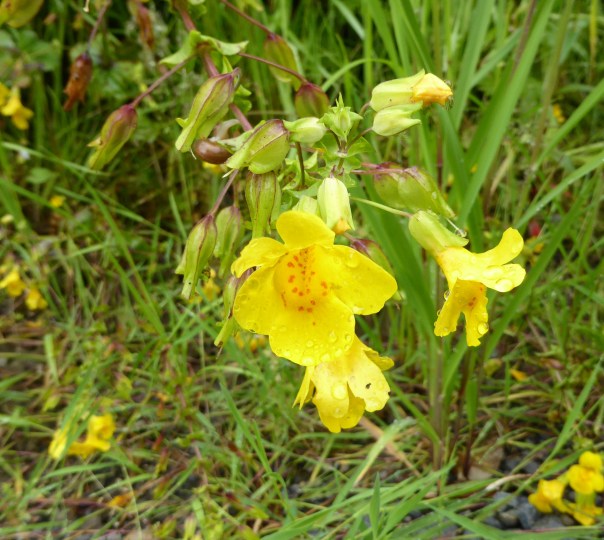
I am moving right along in my tale of my expedition, because I know this is a too-long post, but my pace of travel was actually more relaxed than usual. I made sure I didn’t hurry – I was on vacation! The morning of my departure from my Jane Austen room and that rejuvenating place, the thought crossed my mind that I might skip breakfast and get on my way early. But why? I forced myself to browse the library, to eat the most civilized and hearty breakfast in the leisurely fashion it deserved, chatting with other lodgers.

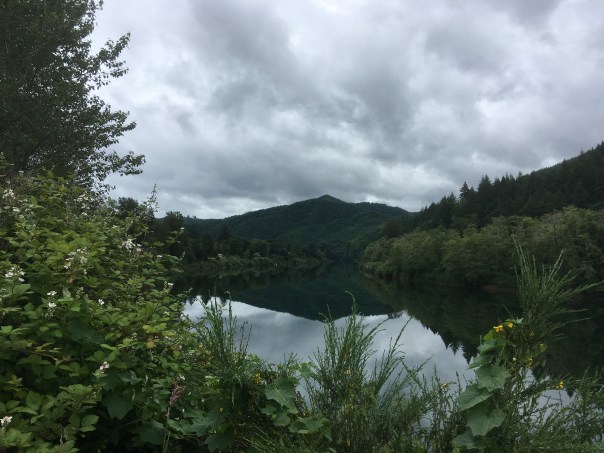
Then I took a slightly longer route back toward home, so that I could stay on the coast as long as possible. I turned inland at Reedsport, not knowing – because my Oregon map had slipped off the seat and I couldn’t find it – that my road would wind along the Umpqua River from there, the most beautifully deep green waterway, a peaceful companion on this leg of my trip.
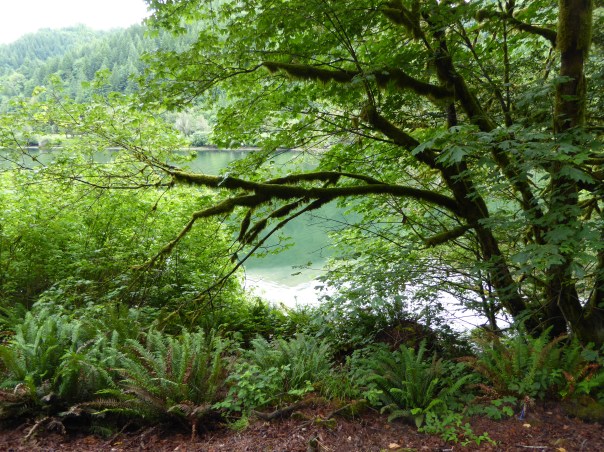
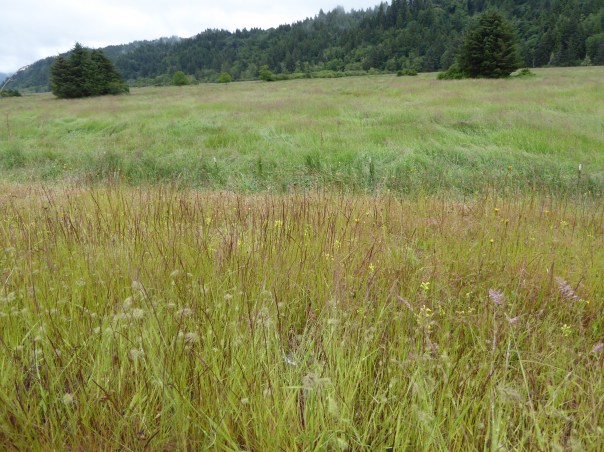
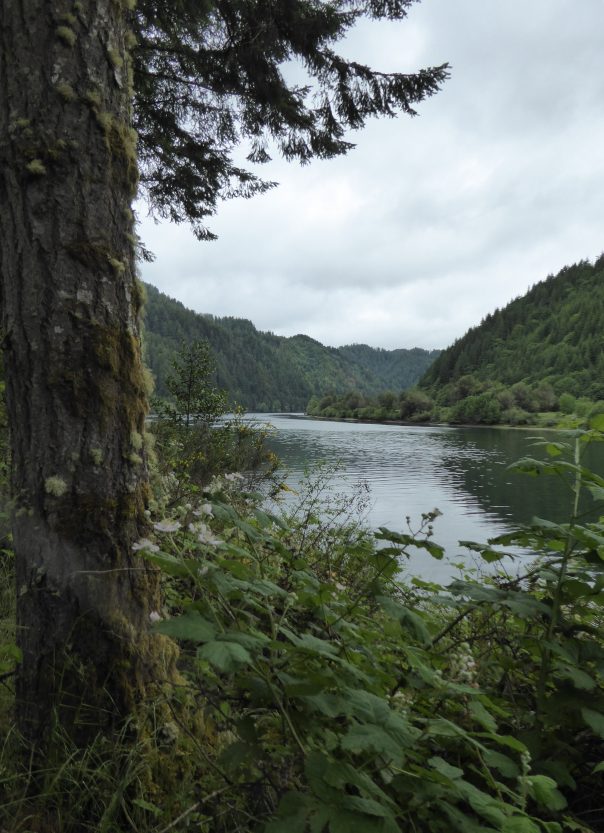
I must have added at least an hour to my journey, stopping many times to walk up and down the roadside and through deep wet grass, trying to get a good picture of the river through the thick stands of trees and shrubs and every kind of plant all tangled together. When I was able to frame a little bit of water in my viewfinder, it eventually dawned on me that under the clouds, the dark surface is reflecting so much of that green foliage, it’s often hard to see where the woods end and the river begins.
These were the last images of Oregon, and then my route took me back to California and familiar roads and scenes, and home again. This road trip was a bit of an experiment, to see how I liked it. Oregon is not too far, and it’s very diverse. This tour was mostly in the western parts, but I know from experience that I like the eastern parts, too. I hope more exploratory road trips are in my future, because this one was happy.
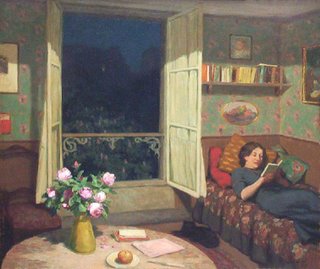 My project of reading “easy” books continues, as I find a certain satisfaction that comes from the process of reading itself, and not from digesting new (or even old) and difficult ideas. Trashy books, however you interpret that term, will not do. They have to have content I can grasp, and/or be reasonably well-written, if they are to keep me going past the first few pages, and to satisfy me.

 It seems that he was already working on All the Light ten years earlier, while in Rome on a literature fellowship at the American Academy. It was a good thing he didn’t have to show anyone a progress report, because Rome and twins were all-consuming. He did write a lot of journal entries, which eventually became this delightful book.