
A PRAYER FOR THE SANCTITY OF UNBORN LIFE
O our Lord, God and Savior Jesus Christ, Who in the beginning fashioned man out of the dust of the earth and breathed into him the breath of life so that he became a living soul, Who knowest the time of life and name of each even from his mother’s womb, Who numberest even the hairs of our heads, and Who keepest a watchful eye over every living thing in Thy creation, do Thou now look upon Thy creation which Thou hast fashioned according to Thine own image, and grant to those who are in their mother’s wombs and to their mothers the protection that Thou gavest Thine own Virgin Mother when she carried Thee, and fill them with the Holy Spirit even as Thou once filled Elizabeth such that John the Forerunner leaped in her womb at encountering Thee.
As Thou becamest incarnate of the Holy Spirit and the Virgin Mary and became true man, hidden within the veil of Thy mother’s flesh, joining Thy divinity with our humanity, join Thyself now with us and all Thy human creation through Thy grace. As Thou didst enter into the womb of Thy Mother, be present also in the wombs of all mothers, with them and with their children. Protect them from all assaults of the evil one and his foul spirits, that in due time all may come unto Thee, as Thou didst say, “Suffer the little children, and forbid them not to come unto Me, for of such is the kingdom of heaven.”
O Thou Who at Thy birth heard the weeping of Rachel in lamentation, who would not be comforted for her children were no more, crying out at the slaughter of the innocents by the wicked Herod for Thy sake, hear also the weeping of all those who lament the deaths of Thy little children, who cry out for Thy love and peace in the midst of terror and inhumanity.
As Thou once granted true contrition of heart to David and to Manasseh and to Peter, Who sinned against Thee, grant true repentance to all who in malice or greed or desperation or hopelessness or ignorance sin against Thee and Thy creatures in the untimely taking of their lives. Receive their tears as the tears of the Publican, which flow from the depths of their hearts, as Thou didst receive David, who had taken life unjustly, and Manasseh, who had permitted the worship of idols, and Peter, who thrice denied Thee. Receive them as the Prodigal, with eagerness and rejoicing, clothing them with the robe of holiness and glory and celebrating with them the feast of faith.
Speak words of justice into the hearts of our rulers, that they may be guided by divine wisdom in protecting and nurturing life in every good way. Give strength and love to those who minister to all who suffer in desperation and need, granting through them every spiritual and earthly blessing. Protect the widows and orphans and the abandoned, be father to the fatherless and hope to the hopeless, raise the young, protect the bond of marriage in peace and concord. Remember the forgotten and bring them to mind in all of us who pray unto Thee. Grant eternal rest to the fallen, and raise them up at the last day.
O Christ our God, Who knowest all in our depths and receivest the supplications of Thy servants Who call out to Thee in our own transgressions and imperfection, hear this our humble prayer and give us all Thy divine blessing from on high, for Thou art ever glorified with Thy Father Who is from everlasting and Thine all-holy, good and life-creating Spirit, now and ever, and unto ages of ages. Amen.
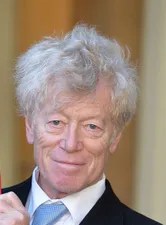 “As soon as another person becomes important to us, so that we feel in our lives the gravitational pull of his existence, we are to a certain extent astonished by his individuality. From time to time we pause in his presence, and allow the incomprehensible fact of his being in the world to dawn on us. And if we love him and trust him, and feel the comfort of his companionship, then our sentiment, in these moments, is like the sentiment of beauty—a pure endorsement of the other, whose soul shines in his face and gestures as beauty shines in a work of art.”
 Also, I gave up trying to find a picture of one of my family when a child, with a head that I would call bulbous. It might be that the word was more neutral in tone at the beginning of the last century. But I imagine that the poet and artist also delighted in how the toddler’s proportions were just the reverse of his, whose body was quite oversized relative to its head.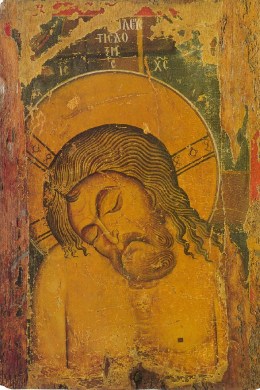
 It is interesting to put the insights of these two paragraphs together and begin to understand that to deal with our neurobiology and psyche, trying to create self-esteem without any reference to our Creator and Savior is a dead end, an unworthy goal. Yes, the inner man is essential, but the true self is only revealed by the Kingdom of God within, after “deep organic processes.”
 Gladsome Lights