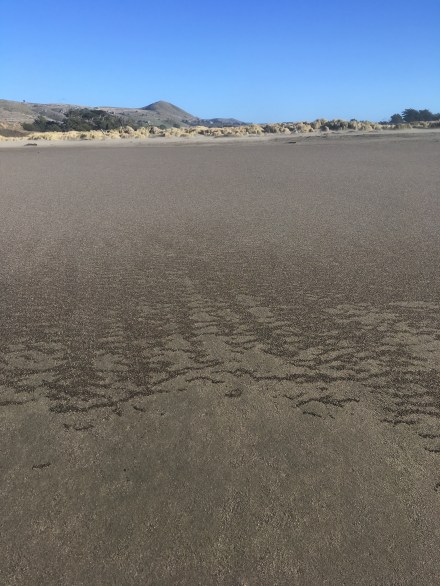
In this era, I keep an eye on the coastal weather forecast more than the local, trying to plan well ahead so as to increase my chances of getting out there to the edge of the Pacific — aiming for several times a month.
Last week about this time I noticed that there was going to be rain nearly every day upcoming, except for one, so I penciled in my outing for Monday. I did notice that it was forecast to be windy, and I researched a little bit about just how 20-24 mph winds feel. I couldn’t remember the stats on what I’d experienced in the past. It didn’t sound too foreboding, so I dressed in layers with a windbreaker, and off I went.
 Did I tell you I have been reading The Aviator by Eugene Vodolazkin? I have the audio as well as the print format. The possibility of sinking into that book makes me look forward to any longer drive to anywhere. I can’t concentrate on a book, lecture, etc. while doing anything else at home; even while driving, I can only attend well while following a familiar route. I make frequent use of the rewind button (Is there another word for that now that there is no actual winding involved?), including at times when I have to concentrate more, as at an intersection, and briefly lose the thread of the story.
The weather at the beach was a blast. The clumps of grass on the dunes were beautiful, the way they waved in the wind. But, “This is not fun,” was the phrase that popped into my mind about three minutes after I reached the water’s edge, where the sand at least was not flying; my head had began to pound, and my eyes were burning, but I pushed against that blast toward the tidepools that I knew would have been exposed.
The wind was helping the waves up the beach, where they were allowed to break, but not to recede. The wind whipped them to make them lie on the sand a few more seconds than was their natural will; I could tell they were not happy about it, because they weren’t lying there quietly. Gusts attacked them over and over, yanking pieces of foam off their edges and blowing them off. The puffs scattered wildly, like sudden orphans. Their wails couldn’t be heard above those of their abuser. The sun shone brightly.

I had purposely chosen mid-afternoon for my visit, because there was going to be a minus tide, and I’ve noticed those seem to occur mostly in the middle of the night. This week there were three of them that would happen before dark.
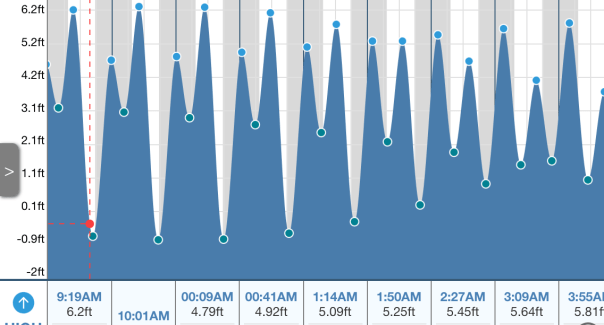
But I was beginning to foresee that stumbling around the rocks looking for anemones, in my quickly cooling bare feet, would also not be that much fun. I turned around, and my time on the beach was shorter than usual, but I was glad I had tried the experiment.
I have been reading so many books lately that include elements of great hardship and suffering, it would not feel right if I did not push myself at least a little, and endure some amount of discomfort. Not only do I have my literary characters as examples in this, but I have fellow blogger Mags who is snow-swimming this month, in the seas of Northern Ireland! This kind of effort, when you do it voluntarily, with the knowledge that you can be home and cozy soon afterward, can be exhilarating. The experience of a Soviet labor camp, on the other hand, one doesn’t volunteer for. Just today I read more of The Aviator‘s protagonist Innokenty’s musings on it, years later:
“Well, what kind of description can convey round-the-clock coldness? Or hunger? Any story implies a completed event but there is a dreadful eternity here. You cannot warm up for an hour, or two or three or ten. It is impossible, after all, to accustom oneself to either hunger or cold.”
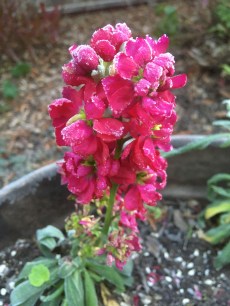 My garden suffered what may be the worst cold it will have to endure this winter, just two days ago. I know it was several degrees of frost — and this area has had a winter or two in the last decades without even one freeze; it rarely gets down to 20 degrees. By the time that morning’s weather test occurred, I had been doing my own trials of the new greenhouse equipment, necessitating a few emergency visits in my nightgown at 2:00 or 3:00 a.m., to adjust the thermostat. So everything was okay in there. And you know, collards get sweeter by suffering frost.
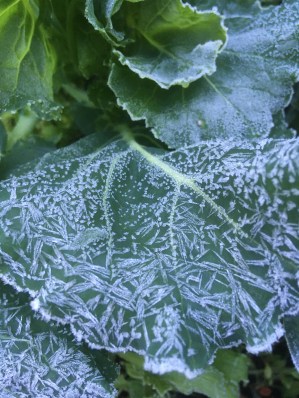
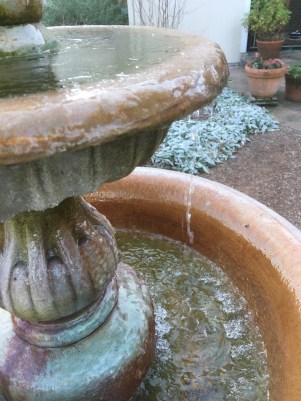

But the next day, it was the wind that hit here, and this morning I found that it had grabbed the 4-foot snow pea vines off their trellises and thrown them to the ground, to be pelted by rain. I won’t expose their humiliation in pictures. The collapsed garden umbrella was torn off its vanes, too, the wind getting hold at the top where the sun had weakened the canvas in the last five years, to make a big hole there for starters.
It looks like we will have a few more days of rain, but no high winds are in the forecast. I am almost always comfortable, having warm clothes and fire and a gas furnace. My life is easy, for sure. If peas could talk, their story would doubtless be different.
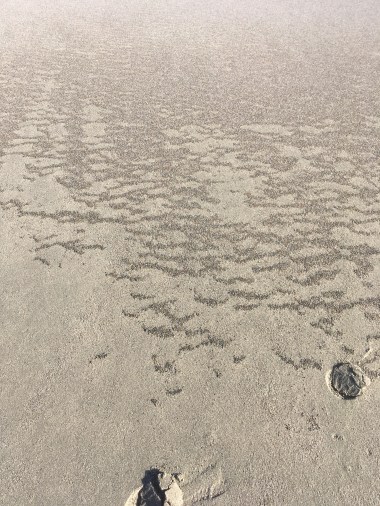
 Another beach day! I took my friend Bella this time, as a co-breather of that medicinal air, a person I knew would ooh and ahh and thank God along with me. The sky was clear blue, and there was barely a breeze. The dry sand under our feet was warm.