The day after I wrote about feeling my mortality, I was prompted to think more on the subject, first by Father Stephen Freeman, in an article about hospitals vs. hospice, and the importance of visiting the sick. When he was chaplain on a hospice team:
“It was the first time I ever saw a doctor listening carefully to nurses and chaplains. There was nothing ‘active’ that could be done other than providing comfort and support. The team stood in awe before the reality of dying, inevitably sharing the knowledge that what a patient was facing would be our own lot in time.”
For several years I’ve had more of that awareness myself, that every moment I go on living it is only because of God’s will and sustaining power. This understanding was only heightened when I was weak and sick, and not distracted by all the “active” things of my typical days, and could be in awe of the fact of existence.
This morning, I have a further reminder of death, and the scripture that tells us, “Precious in the eyes of the Lord is the death of His saints.” A woman about my age fell asleep in death this week and I will be helping to prepare her body for burial in just a couple of hours. We will pray and anoint her with oil and commend her to Christ, before she is moved to the church for her funeral. It is always a holy thing to join with a sister at this stage in her “journey to the kingdom.”
In the short movie linked below, the musings of a 97-year-old philosopher as he calmly and “philosophically” considers his own death show a sensibility much more deeply human and nuanced than what he wrote in his book on the subject when he was younger. Though he feels that he lost half of himself when his wife of 70 years died, at the same time he doesn’t want to die; he has just started noticing the beauty of trees the way he never did before. The intellectual history of his own mind tells him that “there is no point” to life, so it doesn’t make sense to him, he calls it foolish, that he should mind saying good-bye. But he does mind.
Maybe it was the death of his wife that shook up his life so that now he calls death “the one thing central to my existence.” And he doesn’t have it figured out. Though now he likely knows more than he did then, because he has actually crossed that river; the movie was made by his grandson in his memory. There is a short article with a little more information at The Atlantic.
“The monastic tradition of the Church has the notion that we should always keep death before our eyes. In a culture where sickness and death are hidden from view, such a notion can seem morbid and wrongly formulated. St. Paul said of himself, ‘I die daily’ (1Cor. 15:31).
“More completely, he said, ‘I am crucified with Christ, nevertheless I live. Yet not I, but Christ lives in me. And the life that I now live, I live by the faith of the Son of God, who loved me and gave Himself for me’ (Gal. 2:20).
“These are not morbid notions, but remembrances of the truth. If you lived on the edge of a cliff, only disaster could come from forgetting that fact. We remember the truth of our existence (including its end) so that our life might be shaped by the conscious remembrance of the name of God. When we pray, ‘Lord, Jesus Christ, have mercy on me,’ we proclaim the futility and emptiness of our self-existence, while more profoundly proclaiming the goodness and kindness of God in Christ who, in us, tramples down death by death.
“There is a monastic saying in Orthodoxy: ‘If you die before you die, then you won’t have to die when you die.'”
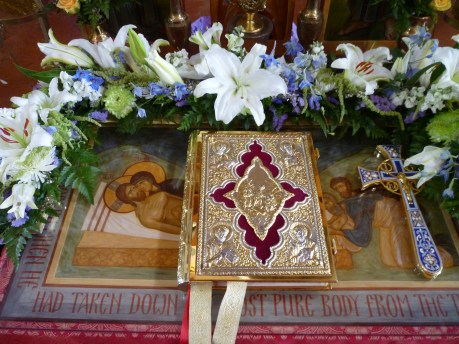
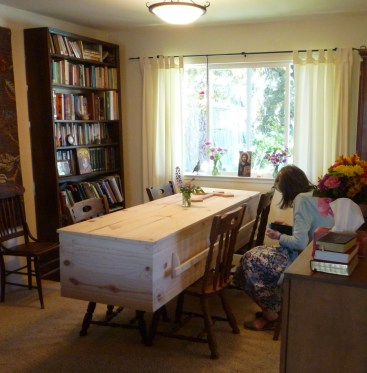
 -eventful in a similar way to the days surrounding my husband’s death two months ago.




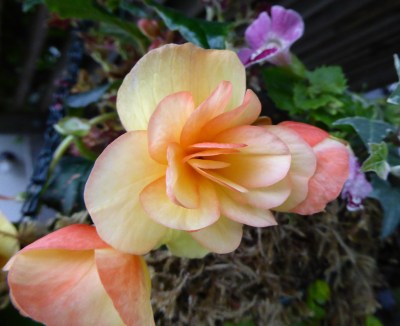 Kathleen fell asleep in the Lord early this morning when none of her friends was with her. May her memory be eternal! At noon four of us women from church prepared her body for burial, washing it and smoothing it all over with a special olive oil that had been infused with heady aromas of flowers. At the end of life, as at the beginning, out of love we lavish good smells. I was reluctant to wash my hands afterward, not wanting to lose the reminder of the grace that we all felt, and the honor of being able to minister to this earthly vessel, the body that was her means of worshiping God all these years.
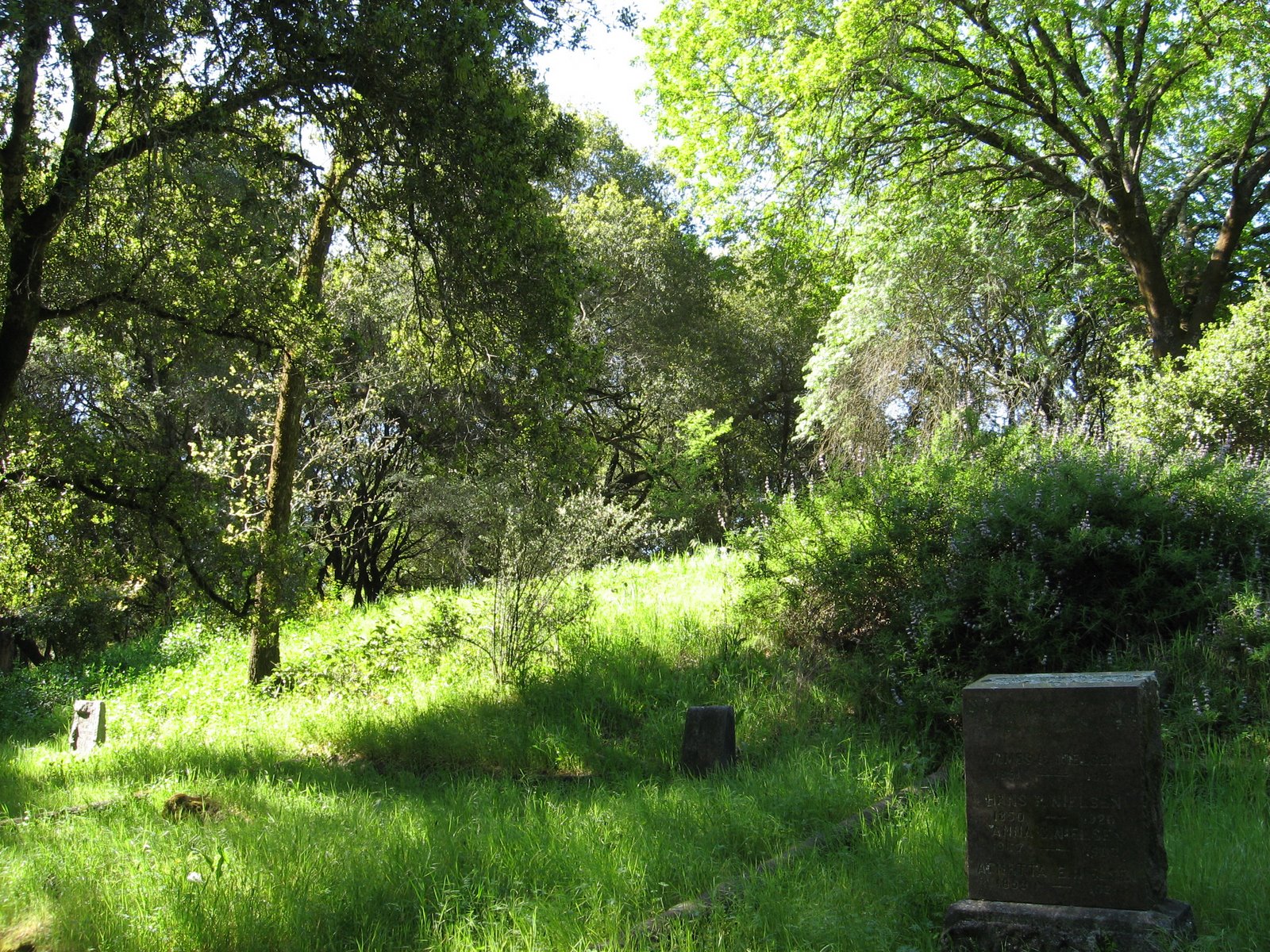
 Our family has never tried to analyze what draws us to cemeteries. But our photo albums and memories are full of pictures from wandering through many such places all over the world. Last December I snapped this photo of our soldier son at the Golden Gate National Cemetery in San Bruno, near San Francisco. We had some time on our hands and we noticed this vast military cemetery nearby, so we decided to stop in.


 Gladsome Lights