While I was waiting at the fairgrounds gate I saw people leaving with their arms full of watermelons. A woman walked past me wearing a green t-shirt with bold letters proclaiming, “Things go better with kale.”
Then my friend Linda arrived. We entered the Farm-Garden-Homesteading-Everything show and soon found ourselves at a poultry exhibit. When she invited me last week I hadn’t investigated ahead of time what all there would be to see, and chickens were a happy surprise.

As we were admiring the different breeds one exhibitor explained to us that the truest Rhode Island Reds are a very dark mahogany color, and there was a rooster to demonstrate it. He told us about the “Frizzle” gene that causes the feathers of any breed to grow backward.
We got into a discussion with him about whether the upcoming winter would be warmer than usual. He mentioned seeing scores of baby lizards at what would normally be too late in the year, and wild birds setting on new clutches of eggs. I wondered myself yesterday when I saw a bird pulling rice straw out of my strawberry barrels.
Last week I heard another opinion, that the lack of sunspots of late foretells a cold winter coming. I didn’t even know what sunspots were, and will like to see how winter reveals itself. A related question of no import is whether I will remember any of this come winter!

A young woman I’d met briefly at church was at this fair, selling wool that comes from her family’s fiber mill. Another friend was at the medicinal hemp oil booth. I listened to a bright lady from the South talking for 45 minutes about fermenting, as she occasionally sipped from her bottle of kombucha. I even took extensive notes on that talk, and her recipe for kimchi, knowing full well that I will never make it.
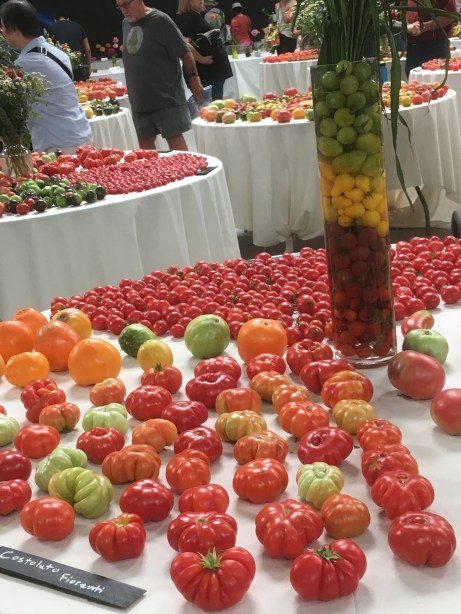
More applicable to my life was the cherry tomato tasting, from which Linda and I and even Master Gardener people at a separate booth concluded without a doubt that Green Doctor was our favorite. It was developed by two women who are both doctors 🙂 . By contrast, I ate a little Yellow Pear, while telling the volunteer behind the table that one summer I had grown this variety and thought I must have got a “lemon” of a pear because every fruit on the vine was tasteless. She answered flatly, “They always are.”
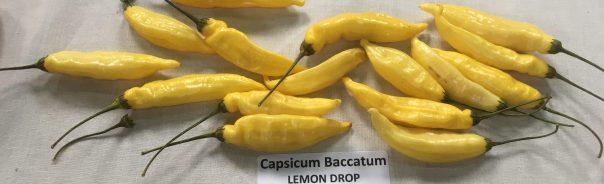
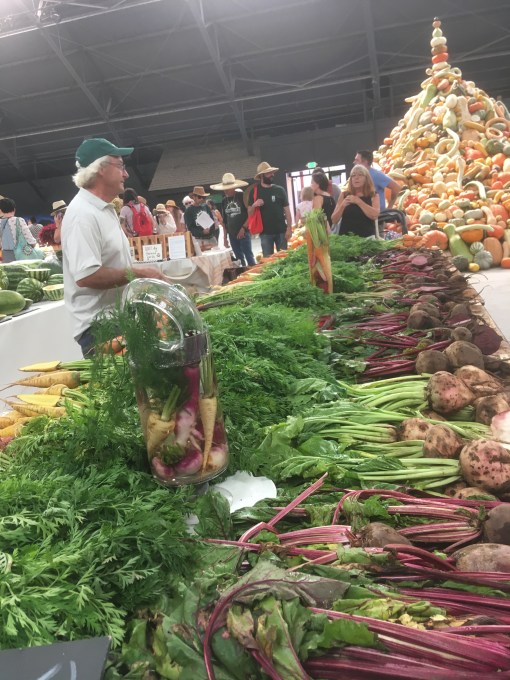
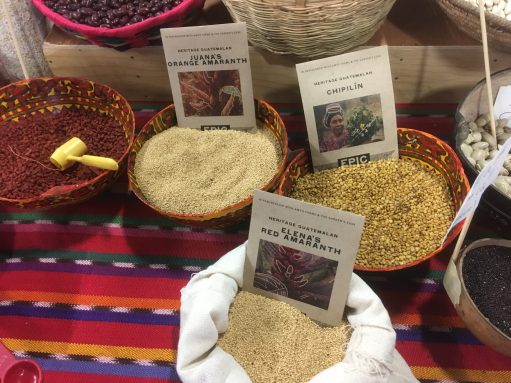
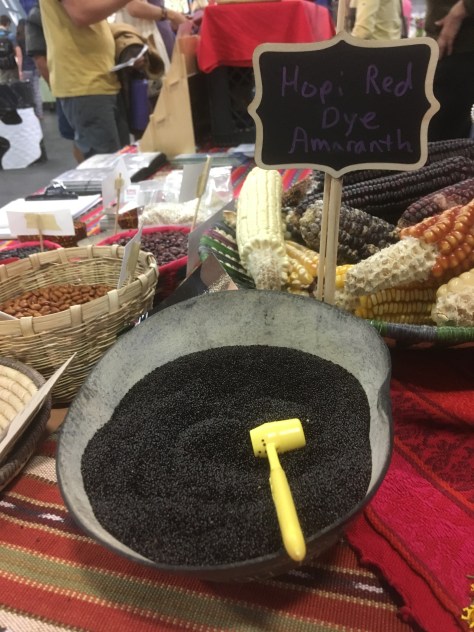
For someone like me who avoids shopping, the shopping at this event was certainly great fun. There were two places with vintage clothing and other used items, from which I chose aprons! One seed booth featured corn, beans, and amaranth, all of which were appealingly laid out in varied and rustic baskets. I did indulge in a packet of orange amaranth seeds, and Linda bought a scoop of the Hopi type below; we will share with each other.

By the time we reached the moringa booth I still had some adventuresome energy to expend, but was slowing down a bit in the legs and feet. When I saw the jug of very green drink they were freely offering, signed “Peppermint Moringa Tea,” I helped myself to a cup, and it felt like Strengthening Medicine. From what I learned, the leaves are in fact concentrated nutritionally, but more pertinent to my situation long-term were other aspects of the plant, that it is easy to grow and can thrive in my area, and — look at these dear seeds! I have to try some. Linda bought a small tree. Now I am trying to figure out some way I might organize all my hopelessly burgeoning garden ideas.
It was refreshing to listen to a motivational speaker who was urging us, not to maximize our financial wealth, but to find ourselves and our joy by digging in the dirt and learning how to grow things. To talk to a man who has been hand-forging beautiful tools for fifty years. We hated to leave his booth, where the trowels, coat racks and trivets wanted to be hefted and stroked and admired, and their creator seemed content that they be appreciated, knowing that most of us couldn’t afford to own them.

Hundreds of people all in one place with whom one might discuss natural pest controls and sheep breeds, Mason jars and succulents…. and species of scented geraniums. Linda and I each took home a little nutmeg-scented plant which will remind us of our outing together. I have a few close friends who are fellow-gardeners and who love to share our excitement with each other, but never before have I had a day as full to the brim of like-minded folk as bright and colorful as the squashes we had come to see.
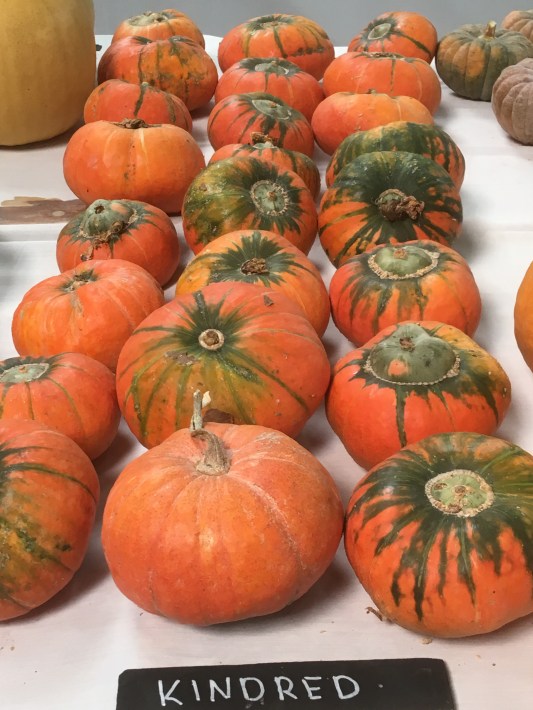
Whatever winter will bring this year, it is not yet upon us, which means more hours and days I might prepare for it, while bringing in extra basil, strawberries, and figs. Now that I’ve returned from the dream-invigorating festival, it’s back to the Real, my own garden.
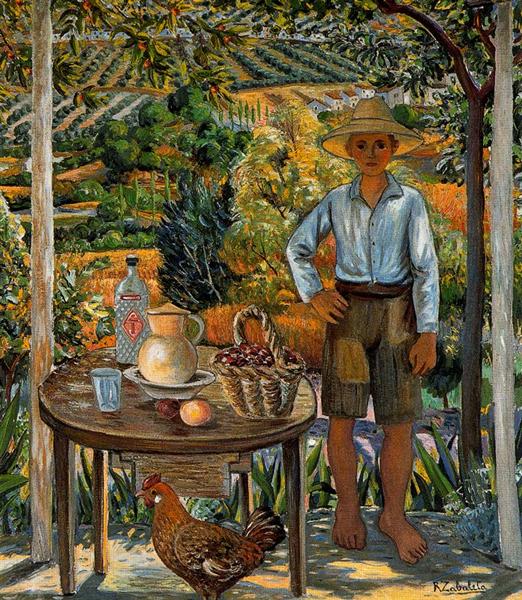

 That is a clipping from How Green Was my Valley, by Richard Llewellyn, which I am currently reading/listening to. The narrator is
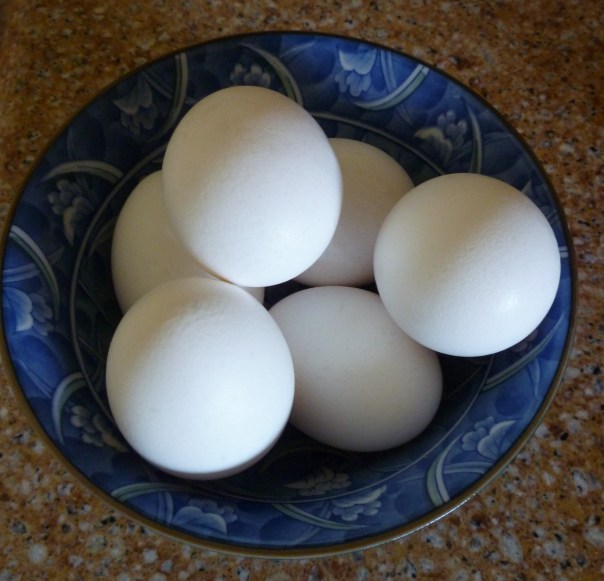
  Probably because of all the people I know who during the pandemic especially enjoyed their chickens, or started keeping chickens for the first time, I also began longing to have chickens again. I walked around my property eyeing every nook and cranny, but concluded once again, sadly, that every spot is taken. Any ground not being used by plants or furniture or greenhouse did not qualify on account of being sweltering hot, or too close to the clothesline, where I wouldn’t want chicken dust.