
I ran across the news that Pantone’s choice for Color of the Year 2026 is WHITE! No, not just white, of course, but “Cloud Dancer” white. This is the first time they have chosen a shade of white as the color of the year. I’ve never heard about this practice before, in the 25 years that the company has done it, but that’s because the colors I am interested in are in my garden or my clothes closet, not in a lab.
I personally wouldn’t want to take too much time thinking about one shade of one color, because God has generously given us so many, all day every day, unless we are living in the Arctic. White is a color many of you are seeing a lot of already right now, and not on your walls. Have you thought about giving names to the different shades of snow you are shoveling, or watching fall outside your window?

It’s not because of my lack of snow that I take the trouble to post about this, but because of G.K. Chesterton. He probably wouldn’t think much of someone choosing a Color of the Year, but he did himself write about one color in particular, without regard to style or global trends. For him, it was not merely about things seen, but things unseen, the Cosmos and the Kingdom of God:
“White is a colour. It is not a mere absence of colour; it is a shining and affirmative thing, as fierce as red, as definite as black. When, so to speak, your pencil grows red-hot, it draws roses; when it grows white-hot, it draws stars.
“And one of the two or three defiant verities of the best religious morality, of real Christianity, for example, is exactly this same thing; the chief assertion of religious morality is that white is a colour. Virtue is not the absence of vices or the avoidance of moral dangers; virtue is a vivid and separate thing, like pain or a particular smell. Mercy does not mean not being cruel or sparing people revenge or punishment; it means a plain and positive thing like the sun, which one has either seen or not seen. Chastity does not mean abstention from sexual wrong; it means something flaming, like Joan of Arc.
“In a word, God paints in many colours; but He never paints so gorgeously, I had almost said so gaudily, as when He paints in white.”
-G.K. Chesterton, “A Piece of Chalk,” in Tremendous Trifles

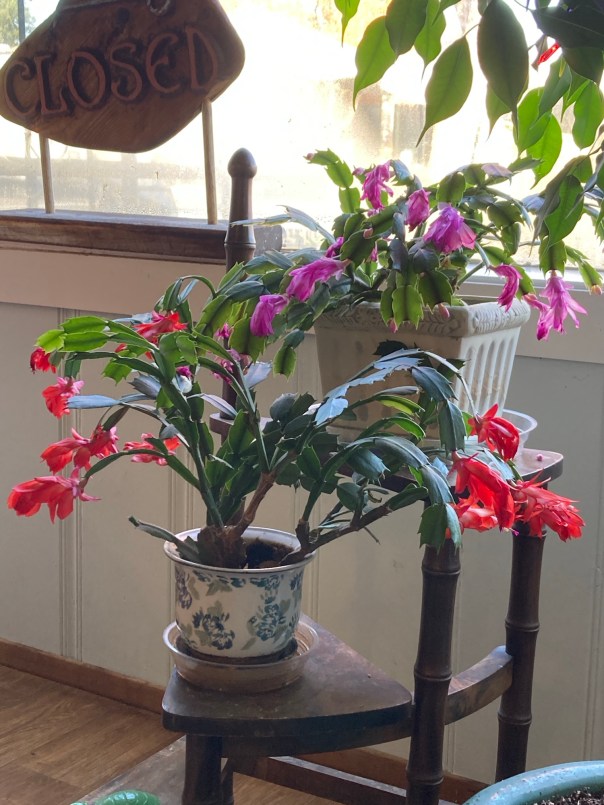
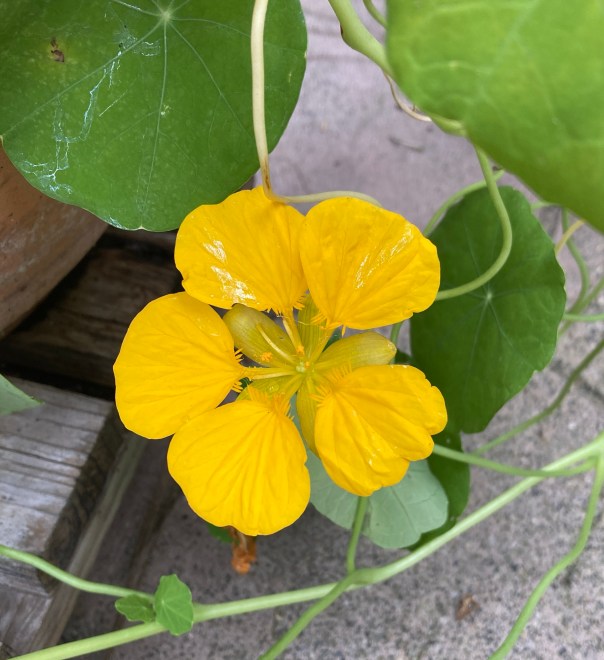

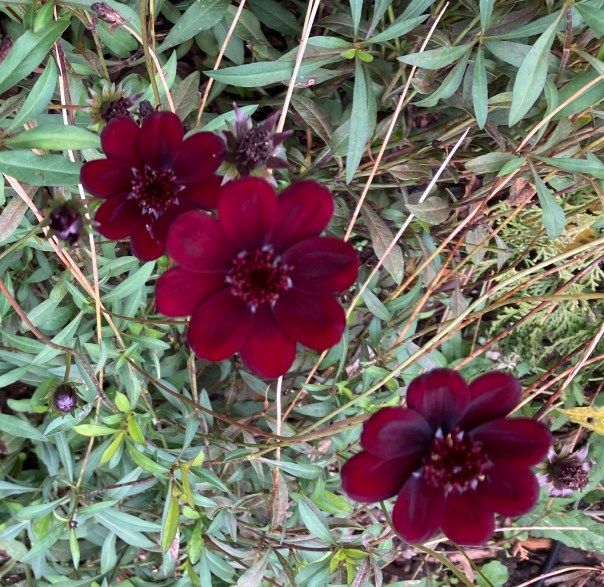
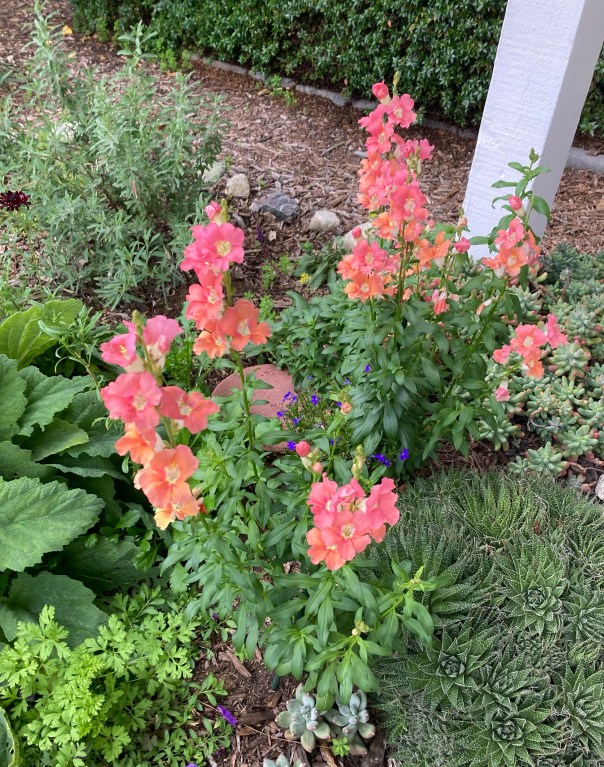
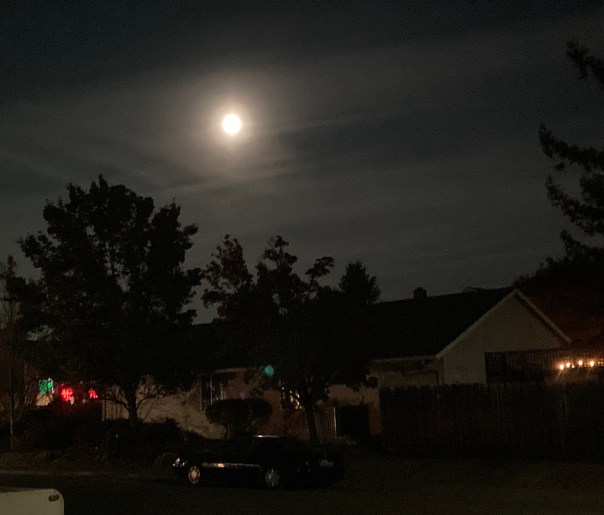

 This morning was frosty enough to make ice in my garden fountain. I wore a thick wool sweater to church, and kept it on until I got home again five hours later and changed into my firewood clothes. Both the supply of logs near the wood stove and the nice rack I have in the garage needed replenishing from the stacks outside. I bring in a dozen or so logs at a time to dry out, and to have handy when it’s raining or just dark and I don’t want to go out.



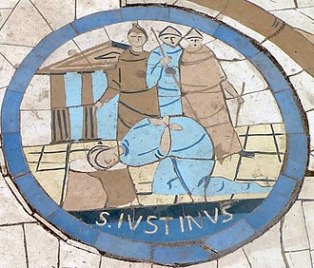 He lived in the second century, and wrote his second Apology, addressed to the Roman Senate, in 161, soon after Marcus Aurelius became emperor. He had been able to persuade the previous emperor, Antoninus Pius, to stop persecuting Christians, at least for a time. The Cynic philosopher Crescentius, who reportedly always lost debates against Justin, had a part in his death, as out of envy he denounced him to the Roman court, after which Justin and six friends were imprisoned, tried and beheaded. The following is considered to be the court record of the trial (Wikipedia):
 sacrifice to idols. The Prefect Rusticus read the sentence: Those who do not wish to sacrifice to the gods and to obey the emperor will be scourged and beheaded according to the laws. The holy martyrs glorifying God betook themselves to the customary place, where they were beheaded and consummated their martyrdom confessing their Saviour.
 Gladsome Lights