Tag Archives: spring

Greens, munchers, and seeds.

As I woke on Sunday morning I saw through the slats of my window blinds the full moon going down, against a background that was being colorized from gray to pale blue. Well, it probably wasn’t quite full — because Kate had sent me a picture she took from Panama City, of the full moon on Friday evening. Pretty close, though.

When I went to church I admired the flowering plums, and after my ZOOM church school class that afternoon, I planted SEEDS! A day after the full moon, a few hours before March dawned….
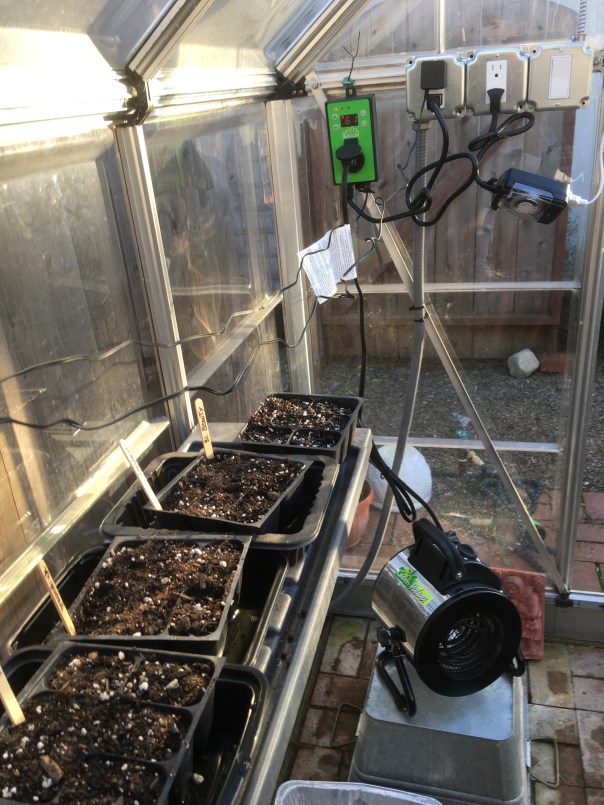
I was so glad to have a surprisingly balmy afternoon to work in, out in the garden. The day before, I had set up lots of little 6-pack  trays with potting soil, so that the soil could wick up water and be thoroughly moist. And because I ran out of time to plant anyway.

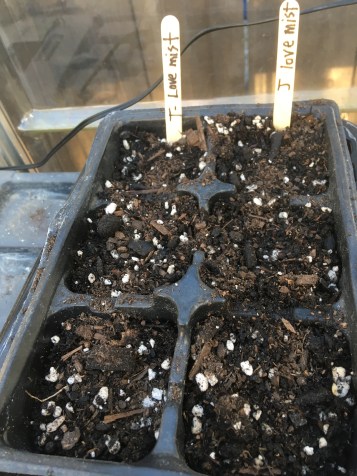
Two friends, Tim and John, had at different times given me seeds of Love-in-a-Mist from their gardens, one nearby and one in Oregon. So I planted them together, equal amounts, but in such a way that I could tell them apart. When they start sprouting I’ll update my blog report on what I’ve got going in there.
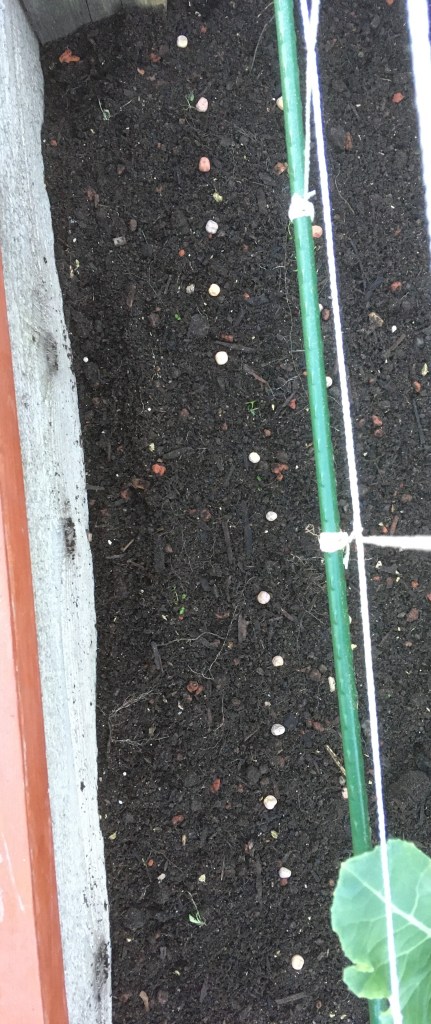
In the planter boxes I poked another (double) row and a half of snow peas into the soil, near where chamomile is coming up through the volunteer sweet peas:
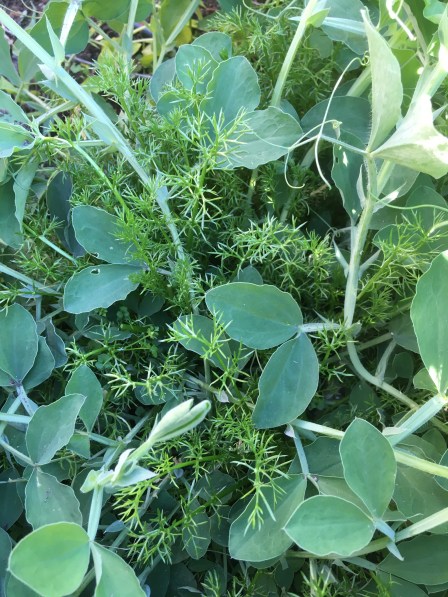
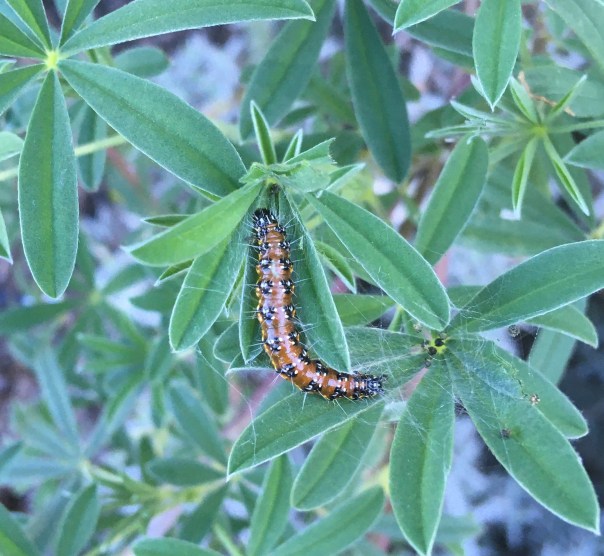
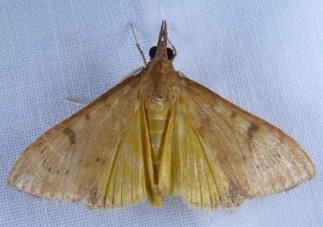
I did some trimming and weeding in the rest of the garden, and discovered these caterpillars munching at my Yellow Bush Lupine. They are Genista Broom Moths, and I threw a few dozen of them into the green bin along with the trimmings. I’ve never noticed them as moths, but they look like they would be easy to miss. Maybe they will be a regular thing now that I have my lupine, which is the type of perennial and evergreen food they are known to like.
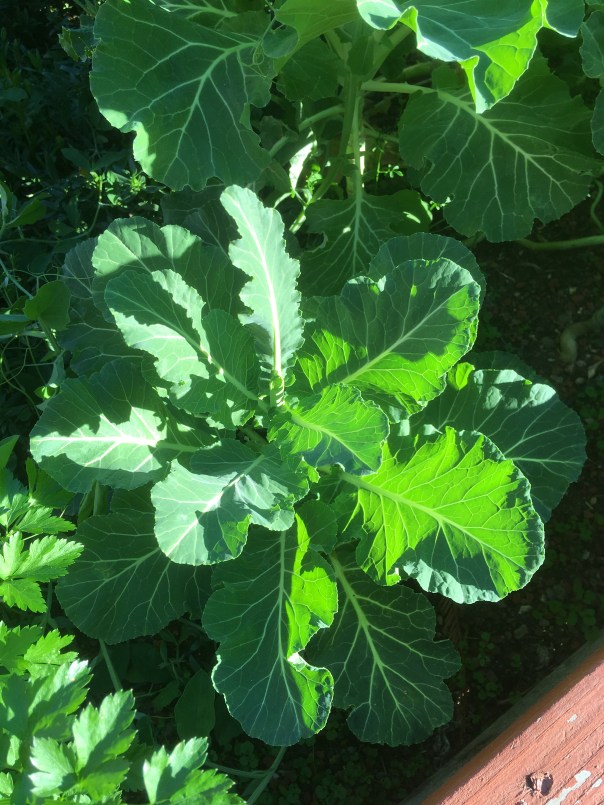
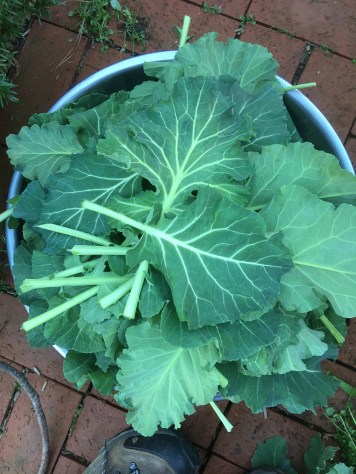
I feel about my collard patch the way some people feel about their chickens, or dahlias. They are so beautiful and healthy this year, I feel very proud and thankful, and want to take their picture again and again. Especially now that they are starting to flower, and I know I will need to pull them out and put summer squash in their place in another month or so. There were jungles of Hairy Bittercress in the grove of collards. I pulled weeds and pretty much scalped the plants to cook up a truly huge mess of greens.

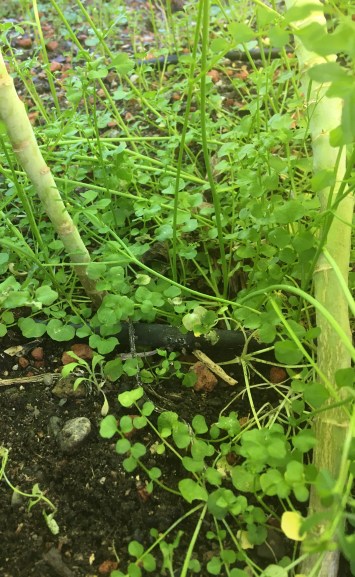
Hairy Bittercress

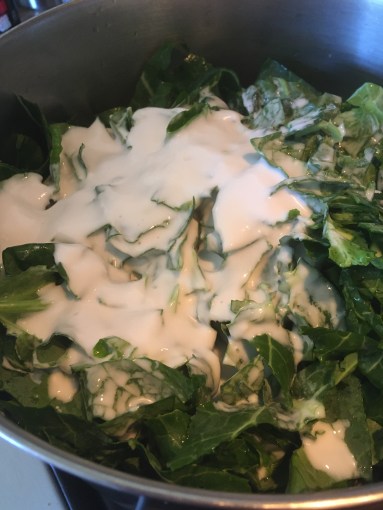
Here is my absolute favorite way to cook collards. It’s a great recipe for church fast days and I make a big batch and put containers in the freezer.

COCONUT BRAISED VEGAN COLLARD GREENS

1 bunch collard greens
1 can of full-fat coconut milk
1 Tblsp. soy sauce
1/2 Tblsp. rice vinegar
1 bay leaf
1 pinch red pepper flakes (opt.)
1/2 tsp. sugar

Wash the greens and chop into bite-sized pieces. Put everything in a pot and simmer until tender. Add a little water if necessary and adjust seasonings to taste and to the quantity of greens.

I have made these several times with different amounts of collards every time. This last time I had at least eight quarts of chopped raw collards but still only used 1 can of coconut milk.
If you have a springtime garden, I hope it contains the minimum
of unwanted munchers and plenty of tender greens. To your health!

Painting springtime for pollinators.

Scotch Broom

I saw lots of blooms on my drive home from the coast yesterday, and they were all yellow or orange. Giant acacia trees in their glory, and Scotch broom everywhere. Daffodils next to farm houses, and Bermuda Buttercup, a.k.a. sourgrass.

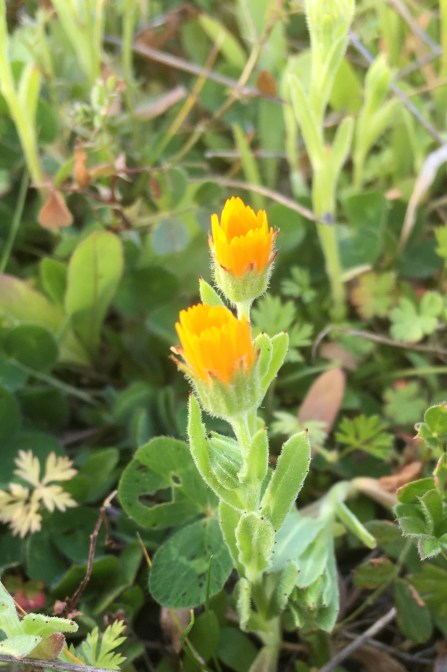
I pulled off the road a couple of times to investigate the low orange swaths; I knew I had identified them before but couldn’t remember what I’d learned. They are Field Marigolds. I wish I could show you how their plantations look from the car window, impressionistic brush strokes in the dirt or short weeds. The whole is greater than its parts, though I like each modest flower, too. You would never know by seeing the painting, that they were in process of closing up for the evening.

Field Marigold

We saw lots of Prostrate Capeweed last month on the Marin Headlands but I didn’t know what it was. Since then I’ve seen it twice. They say it is invasive, and I believe it.

Prostrate Capeweed

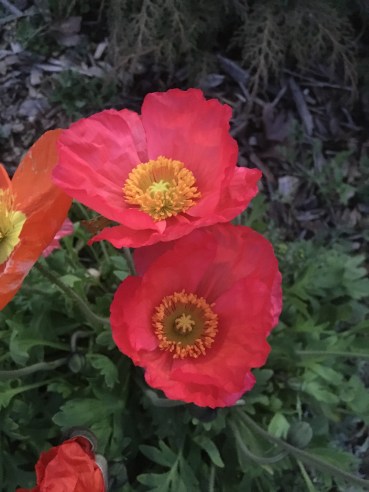
I could mention the California poppies, too, which are coming out now, mostly found in yellow and orange tones. And why is it that the wildflowers of early spring are predominantly yellow? It has something to do with who pollinates them, and with that color making them more visible for the relatively few pollinators that are out working at this time of year. More flies than bees, by the way.

I bet there are a few flies in this field of mustard!

Infant pines, and other p-plants.

Little pine trees like this have sprouted all over the place under my Canary Island Pine tree. I don’t remember this happening in the previous 30 years I’ve lived here.

The snow peas I planted in the fall are blooming purple flowers! All the other peas I have grown over the decades — the varieties that are grown for food and not flowers — had white flowers, so this is fun.

I am thrilled to see that my ever-languishing Dutchman’s Pipevine has two flower buds and many leaf buds presently. We’ll see if that is enough scent to attract the Pipevine Swallowtail butterfly. It would be awfully exciting to see one of them in person. This is what they look like in pictures:

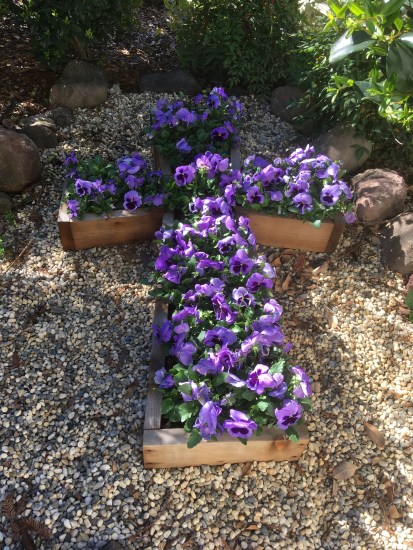
Maybe this year I’ll get the other Swallowtails that like parsley; I have a good crop of that, too. And at church, I’m the gardener of a very small planter, which requires little work. It’s on automatic irrigation, so my only task is to plant and deadhead. This picture was the Before Deadheading this week:

The last couple of days we have had a cold and fierce wind blowing through. It makes me want to hide indoors, but I managed to buck up and work a tiny bit outside today — mostly in the greenhouse, where I intend to plant seeds tomorrow! (They don’t all start with P.)

I admire Brodiaea and Clarkia.

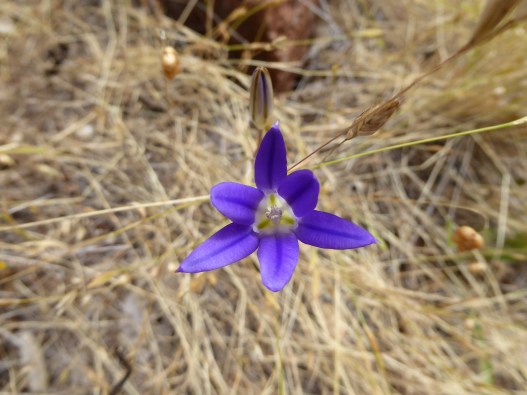
Our California hills start turning golden crisp even before the rainy season ends. When a bright wildflower pops out in contrast it seems a little miracle, especially when it’s as exquisite as Elegant Brodiaea:

Brodiaea elegans was one of the wildflowers I saw this month on my two walks with a friend. But the photo above is from the same week, five years ago, with a different friend, same county. I must have taken it with an actual camera, before I started using my phone’s camera exclusively. I had a difficult time getting a good shot this time. This one I settled on from recently is not as clear:

I also saw Mariposa Lilies again, many of them dotting the slopes on one side of the path…

And other places, California poppies:

This pretty flower with a pretty name might be brand new to me; I don’t have a previous photo of it in my files. My Seek app helped me to identify Ithuriel’s Spear:

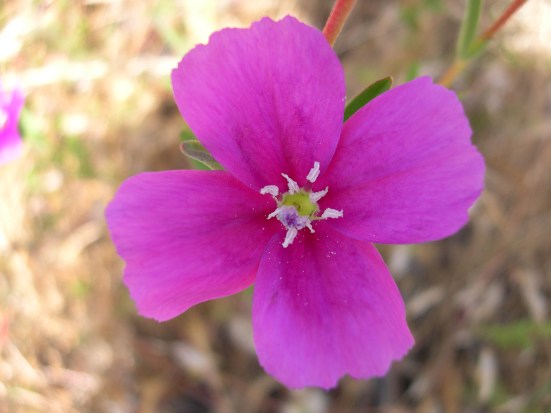
Winecup Clarkia, Clarkia purpurea, also is not familiar:

…but I have one of Pippin’s photos of it in my files, taken in California on Mount Diablo:

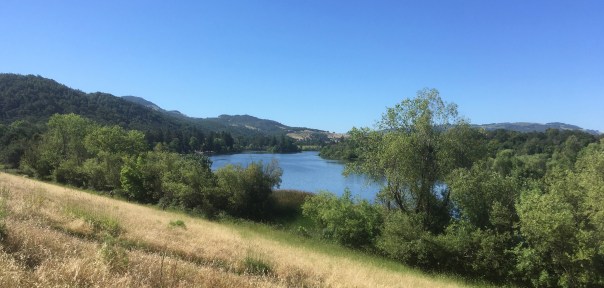
They have loosened restrictions on the county parks, so I’m hoping to visit others in the next weeks, and to discover a few later wildflowers along the trail.