When my husband saw the sizable box of books I had packed for this trip to my daughter’s house, he wondered why I would need so many. My answer, “Because my brain is so tired right now, I can’t imagine wanting to read any of them, so I can’t know what my appetite will be when it returns, and I want to be prepared.”
I came prepared for the journey, too, with The Message Bible on CD, My Antonia, Miles Gone By, and the latest Mars Hill Audio Journal on CD’s to choose from. I started out with the Mars Hill disk, because it’s usually very relaxing for me to stretch my brain, gentle as the exercise is when one is only eavesdropping on other people’s conversations.
This edition had a lot of discussions on the topic of beauty, the host said in the introduction, and in a small panic, I hit the button to eject. No, I wasn’t up for that–it sounded too difficult to even follow along with. What would be easier? How about, Tell Me a Story, and one I am already familiar with. My Antonia was a good choice, as it turned out, very soul-nourishing in the story and the lovely writing. And it was Beauty–not discussed, but the reality.

The last few days I’ve been living in the reality of beauty and a lot of other things that people, including me, like to theorize and philosophize about. I haven’t picked up any of those books that I thought I might read or think about or write thoughtful reviews of. I’ve been chasing around a ten-month-old who is a major explorer of his world, and maybe it is in two ways keeping me in the Grammar phase of my stunted version of classical education. You know, where you learn the facts and language and data that you will work with later.
It’s always a blessing to have little children around who are discovering everything for the first time, as it makes me notice the details of my surroundings freshly. Today I gave this guy, whom I will nickname Scout, a piece of used waxed paper that wasn’t really dirty, and after he fiddled with it a minute or two it tore in two. He had been looking at one piece of paper, and suddenly there were two pieces, and he was obviously surprised to see the smaller piece move in his hand far away from the original.
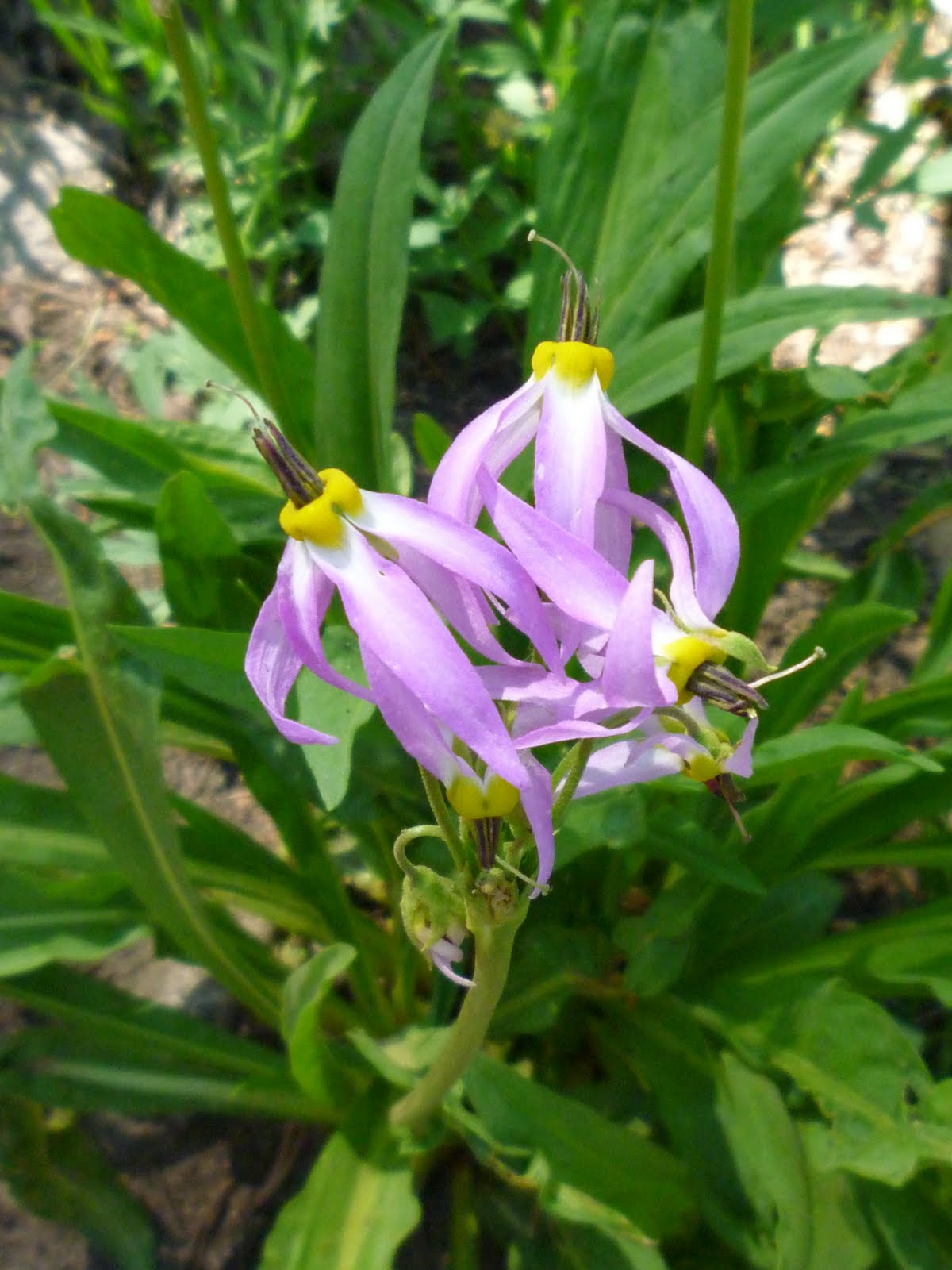
Babies aren’t wondering philosophers. They are scientists without even a theory, in the research stage, gathering information. I’ve been able to do some of that kind of mental work this week, as in learning the names of oak trees. I also took a picture in the forest of a bush with pink flowers, and when I went looking for oaks in the shrub and tree guide there was a picture of it, and I have now memorized it–well, at least for this week–Douglas spiraea.
 |
| Douglas spiraea |
When Scout was exploring the back yard he came upon a weed (spurge) that I knew I should know the name of, so I looked it up in Weeds of the West, a marvelous tome that I am very pleased is now in Pippin’s collection. It’s a book several of us in the family had our eye on for a long time before someone actually took the plunge to invest in such an unappealing title.
I looked quickly through the whole book yesterday, and learned quite a few facts that have no relevance to any philosophical book review I might write, but they were so pleasing to me! My objective was to make a list of all the weeds that I already knew by sight, which surprised me by how long it was. A whole series of Weeds blogposts could be written on the links to childhood memories and events.
Then I was surprised to find in the weed book a flower that is also always in the mountain wildflower guides I’ve been consulting for years, Corn Lily or False Hellebore. It was about then I suspect I was moving into the Logic Stage, making connections and comparing one word with another, drawing conclusions using my data.
This plant is deadly and noxious, for a fact (Here’s a historical bit about that from Wikipedia: “The plant was used by some [Native American] tribes to elect a new leader. All the candidates would eat the root, and the last to start vomiting would become the new leader.”), but some of the things I thought I knew about it aren’t true, and in the middle of writing this blog I am realizing that I still don’t have the facts straight enough to tell any more about it.
About other weeds, I learned that what I thought was Black Mustard was actually Radish; these are cousins someone got mixed up and taught me wrong. Nutsedge is a cute name for an ugly weed in my own garden. I’ll be content to study the most broad Grammar of Plants for the rest of my stay here on earth.
Which brings me to the second reason hanging out with children keeps me at their level: time. When I am scurrying about during naptimes to do little pieces of chores, just keeping up with the physical bare necessities, my mind is flitting about and not in the mood for a certain kind of thinking, which I hesitate to call “higher.”
I don’t seem to be able to settle in, under deadlines, and tackle a question of theology or philosophy in such a way that I can write about it. I’m using all my mental resources doing philosophy and theology on a fundamental level that is more in keeping with my stage in life, when my body demands more sleep, and my brain loses thoughts instead of holding them. When I wake up from a nap, or when Scout goes down for a nap, the names of the flowers are still there in the nature guide, the trees and clouds are still handy for contemplating right outside the door.
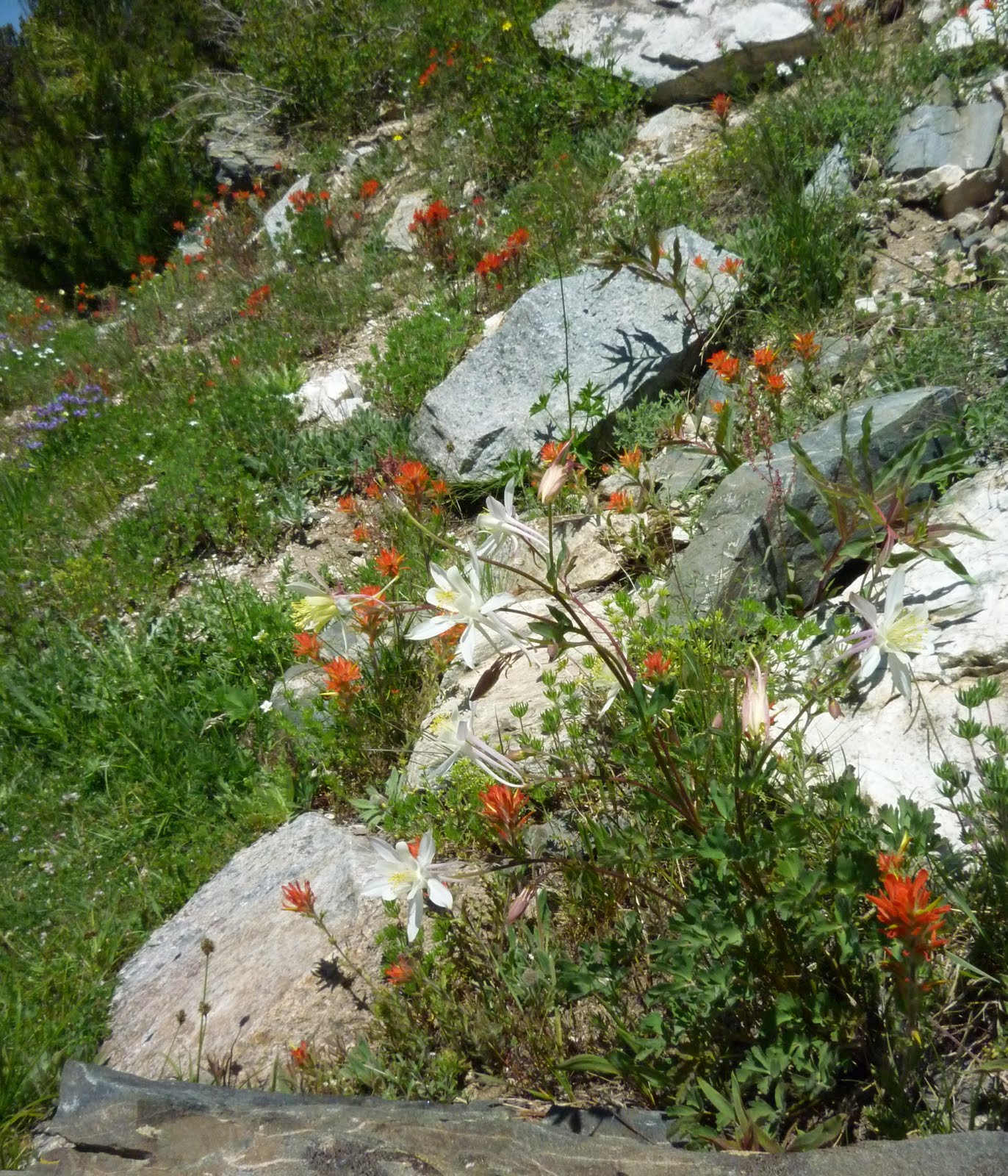
Play–what Scout does–is when you do things with no immediate goal in mind. I can’t have an agenda or a syllabus when I am minding Scout while he experiments. So I try to look around and pay attention at least as well as he is doing. I’m glad I’ve arrived at a place in life where the order and complexity of the universe are certainties to me, and every flower and rock is a gift from the Creator with the potential to draw me to Himself. It might even be an advantage to have a tired brain when enjoying that kind of Beauty.
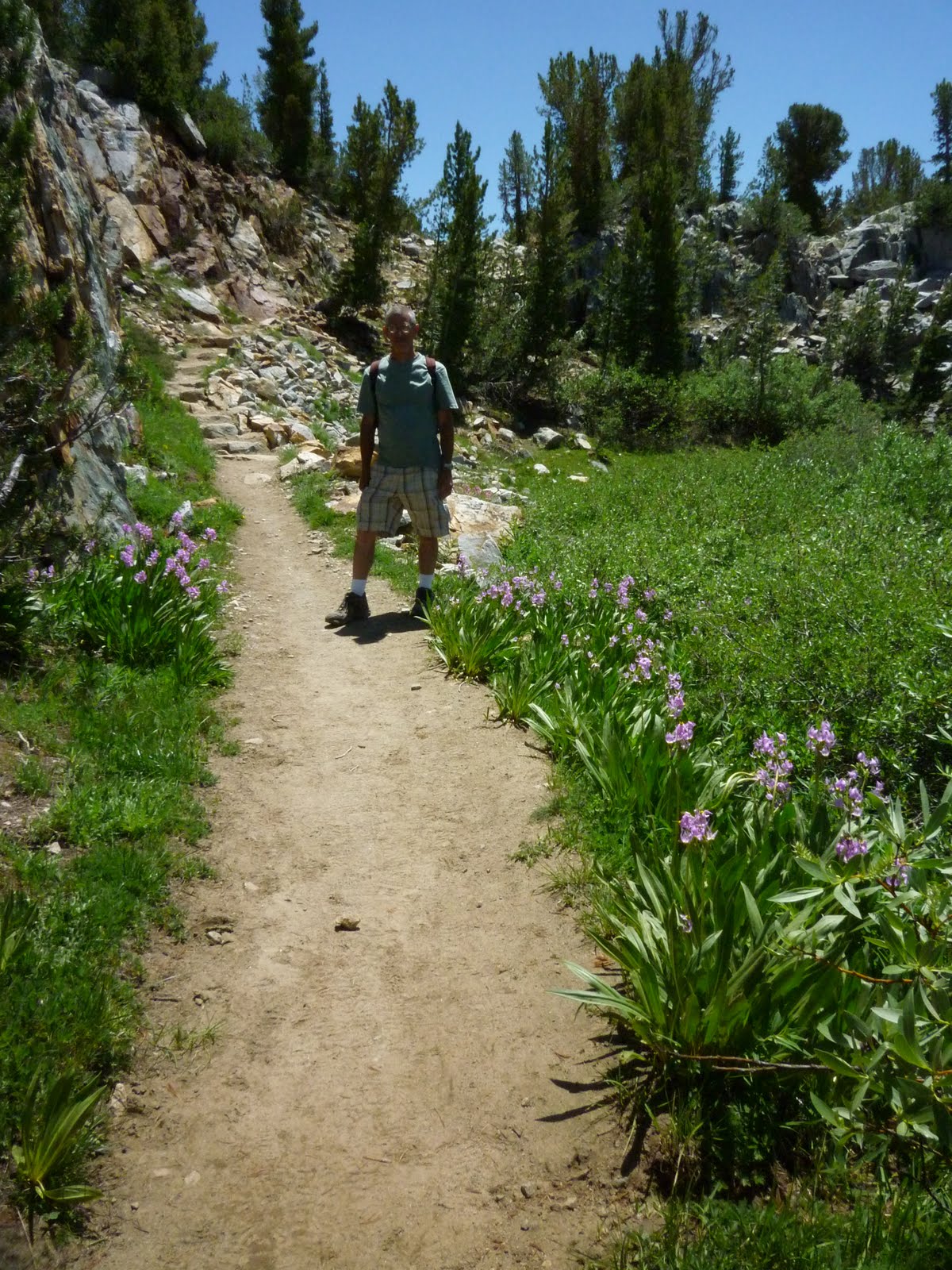
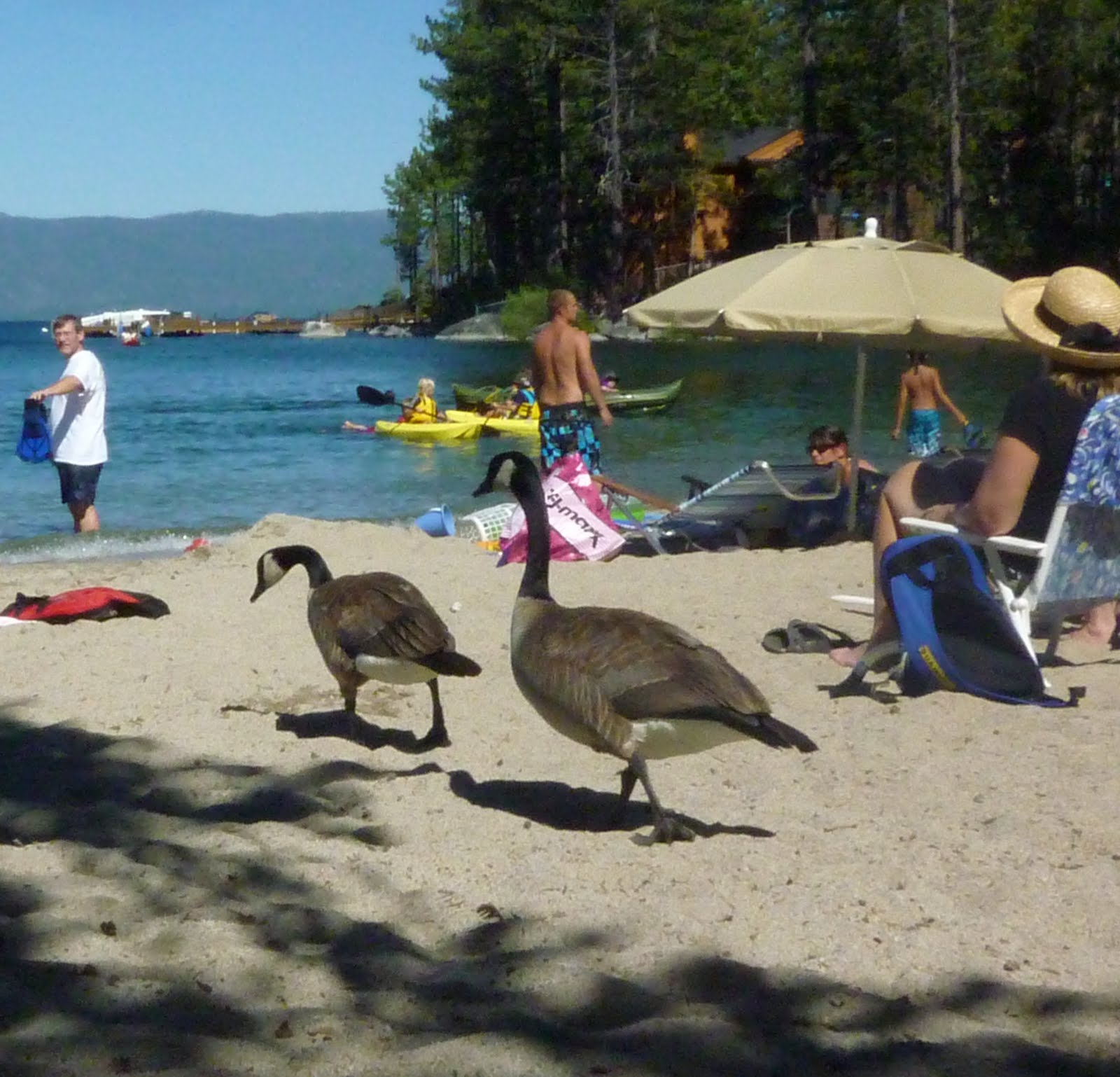
 Mr. and Mrs. Bread joined us at My Lake for a few days. We canoed and hiked and ate a lot and sat by the fire. On the Lord’s Day we sunned ourselves on the deck while singing hymns to The God of Earth and Altar, praising Him for his Wondrous Love that flows Like a River Glorious.






 Gladsome Lights