“Suppose that a great commotion arises in the street about something, let us say a lamp-post, which many influential persons desire to pull down. A grey-clad monk, who is the spirit of the Middle Ages, is approached upon the matter, and begins to say, in the arid manner of the Schoolmen, “Let us first of all consider, my brethren, the value of Light. If Light be in itself good –.” At this point he is somewhat excusably knocked down. All the people make a rush for the lamp-post, the lamp-post is down in ten minutes, and they go about congratulating each other on their unmediaeval practicality. But as things go on they do not work out so easily.
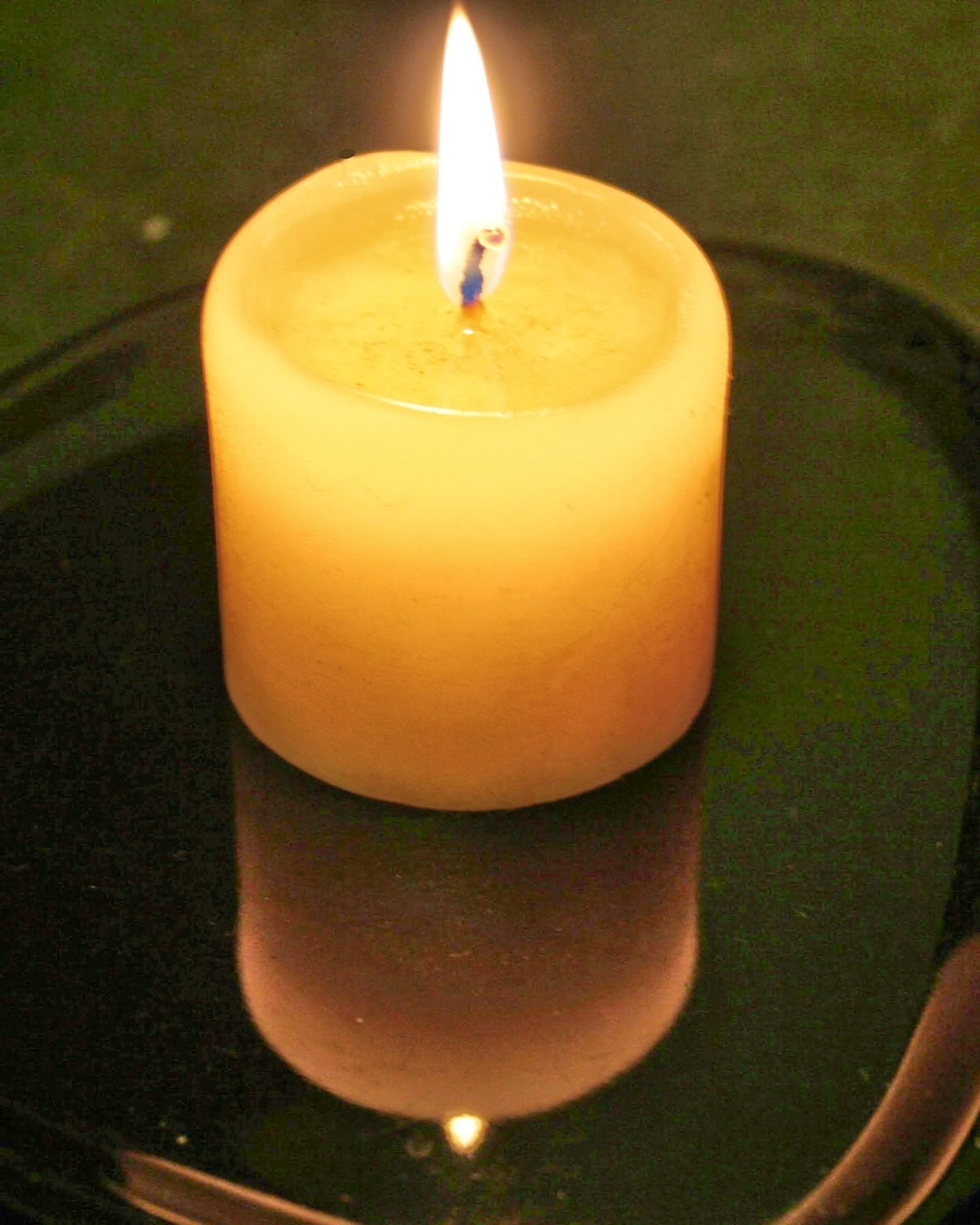 “Some people have pulled the lamp-post down because they wanted the electric light; some because they wanted old iron; some because they wanted darkness, because their deeds were evil. Some thought it not enough of a lamp-post, some too much; some acted because they wanted to smash municipal machinery; some because they wanted to smash something. And there is war in the streets, no man knowing whom he strikes.
“So, gradually and inevitably, to-day, to-morrow, or the next day, there comes back the conviction that the monk was right after all, and that all depends on what is the philosophy of Light. Only what we might have discussed under the gas-lamp, we now must discuss in the dark.”
— G.K. Chesterton in Heretics
(from the archives)
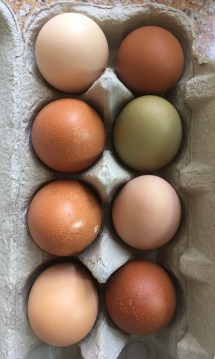 Last week I made a little trip to visit my horticulturalist/vintner/adventurer friend CJ, whom I hadn’t seen in a year. Her Christmas letter had gone to an old email address and I didn’t see it until that very day; when I read that she had started keeping chickens, I wrote and invited myself to meet them as soon as she would let me. She said, “Come today!”
 This week we have wet and glorious rain. We, speaking of all God’s trees, grasses, shrubs, vines and flowers — and the humans, too — have been thirsty. Between showers, everything in the garden glows, but I don’t know how to capture that in my pictures. The Iceland poppies in the front garden are big and lush. Only two colors of the mixed 6-pack are blooming, and they look a little odd together, coral and orange, but that seems to be what they like.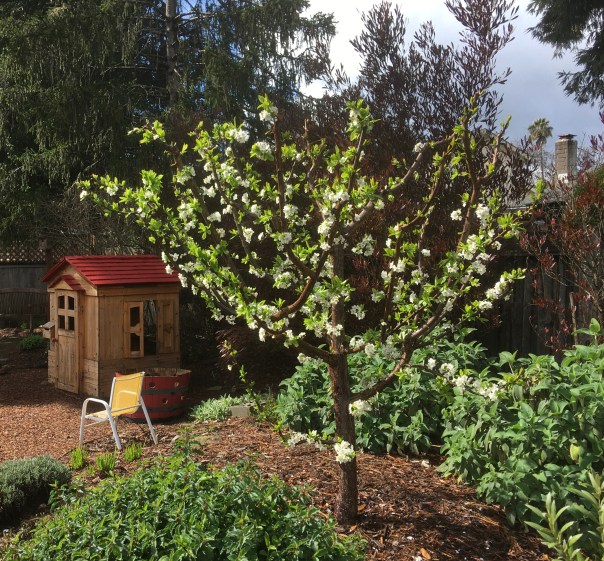

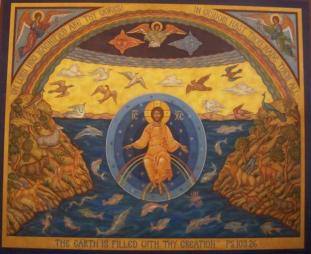
 This recipe that has been a family favorite seems like a nice one to share this week, which for us Orthodox is Cheesefare Week, a.k.a. Butter Week, the last before Lent that we eat eggs and dairy. It was on a post about picnics that I first published it several years ago, but there’s no reason to wait for picnic season to enjoy these hand pies.
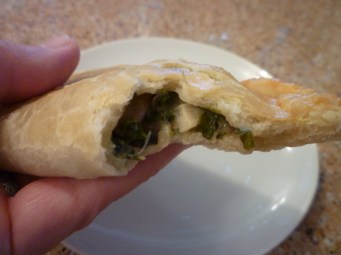 Changes I made to the recipe below: Use butter, of course, never margarine, and add some salt to the pastry dough. Or just use your own recipe for pie dough. I don’t think I have ever included the cottage cheese in the filling; it seems as though it’s the first time I am even seeing that ingredient in the list!
 Gladsome Lights