
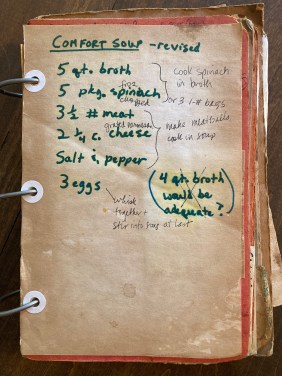
 Last week I made Comfort Soup with lamb instead of beef. I couldn’t find the written recipe fast enough, so I gave up and made a version from memory. And I see, now that I found the recipe, that I had forgotten one of the few ingredients. But the lamb made it superb nonetheless.
This morning I looked here to see if I had ever posted the recipe for this soup that was a mainstay of our menus from the beginning of our family. Though I had mentioned twice the eating of it, it appears I never shared the recipe itself, which I had clipped from Mademoiselle magazine when in high school, and saved in the three-ring binder that I used for all those ideas I hoped to use “someday.”
More than any other product of our kitchen, this recipe was requested by friends to whom we served it, and many of them mention it years later, telling how they continue to make it in their own homes. I wish I had the original magazine clipping, but I think it was becoming unreadable, at which point — I don’t want to say how long ago, because it’s mind-boggling — my oldest, Pearl, wrote out our family’s most recent adaptation, which you can see in the picture. But this is the original:
COMFORT SOUP
1 quart chicken stock
2 boxes frozen chopped spinach
1 # lean ground beef
2/3 c. grated Parmesan cheese
1 egg
ground black pepper
In a soup pot heat chicken stock and add spinach, frozen or thawed. Heat to a simmer (this will take longer if you are defrosting the spinach at the same time) while you make tiny meatballs (about ¾” in diameter) from the ground beef, cheese, and a dash of ground black pepper (which you have first mixed together). When the broth is simmering and the spinach is defrosted, add the meatballs and simmer for 10-15 minutes. Lightly beat the egg and swirl it around in the soup. Serve.
Serves 2-4. Good with French bread.
I don’t see spinach frozen in boxes anymore. The other day I made my lamb version with a pound of frozen chopped spinach and about a pound and a half of ground lamb. I forgot the egg altogether, and didn’t measure the Parmesan cheese. In the past I have made it with (a lot of!) fresh spinach. It’s very adaptable.
Just now I searched online for Comfort Soup to see if anyone else in the world had used that recipe from the 60’s, but if they did, they haven’t featured it on their website. In the era of food porn, something this “plain” does not have the right features to endear it to cooking site hosts, and there is not even a photo of anything resembling it. You’ll have to make it yourself if you are to experience in better ways than the visual, how Comfort Soup is a winter-warming pot of coziness.

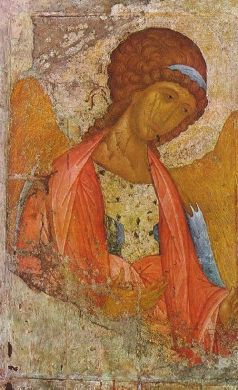 When the Holy Trinity said, “Let there be heaven and earth,” Thou, O Christ, didst serve as a Thought and a Tongue of the divine Trinity. Choirs of angels formed themselves on Thy voice, receiving their form from the multi-colored light; thereupon many armies, as multi-colored clouds, cried out as an echo of the divine glory and divine blessedness, and stood in ranks around Thee, their Leader, singing the triumphal hymn: Alleluia.

 I have to write it down. It would take even more time if I were to write a letter to the grandchildren about it, so they will have to wait, too.
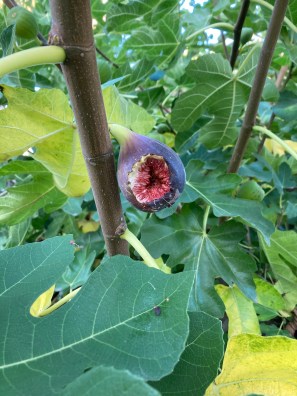 But I have color. My purples are, or should be, my figs. I think this year’s crop is going to be a big loss, because of the relatively cool summer. Yesterday I saw this single fruit ripening. This morning, a meddlesome crow had tasted it and also found it not ready.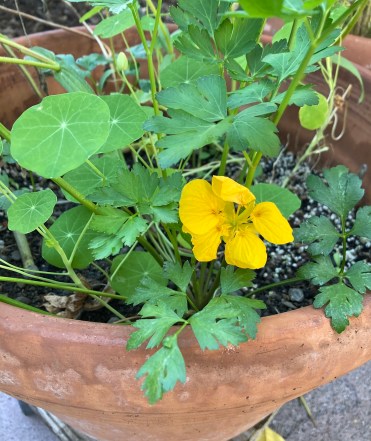

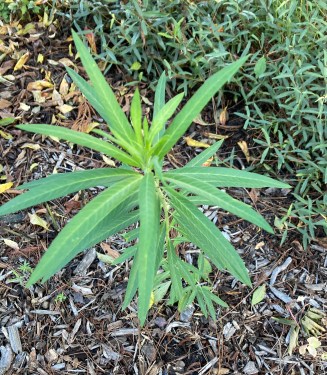

 This post that is very fallish in more than one way, I am sharing again nine years later. It is about Lin Yutang, whose writings my late husband and I were reading aloud together, during the illness that was to end his earthly life only a few months later. Much of what I read during that period is very foggy in my mind at this point, and many of those and other books from the past keep calling me back, especially when I read my own reviews.
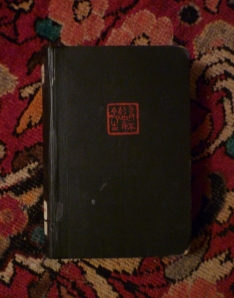 to read in bed. I may have to buy a copy, because in the very first paragraph of the preface I found beautifully written lines that drew me in to his mind and his ruminations:
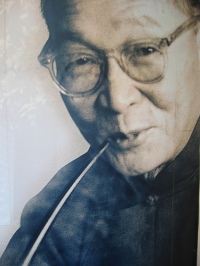 seasons of the year.
 Gladsome Lights