On my drive to the coast today, I listened to “How Satan Deceives People” by Elder Cleopa of Romania. That story certainly set the tone for my visit, to make it even more contemplative than usual.
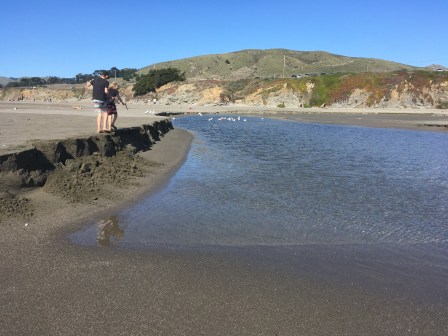
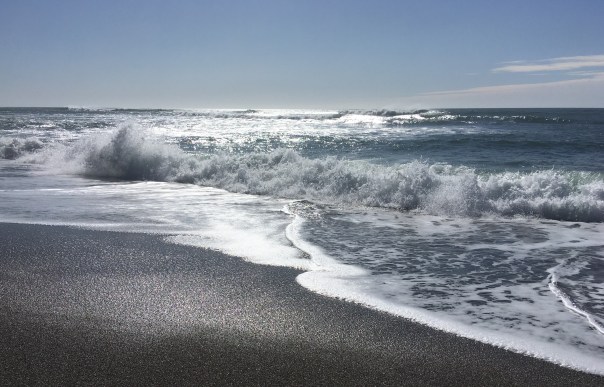
I had missed my Alone Time on the beach for exactly three weeks. Because wind seemed to be in the forecast a lot, I had been wondering if I would be able to get out there very much this spring, but when the wind died dow n here, it did there, too. I think the air temperature was about 60 degrees, but the water felt colder than ever; it was the first time I felt it to be somewhat uncomfortable right away.
The water temperature on the beaches I frequent ranges from about 50-55 degrees over the year, with the coldest months being April and May, and the warmest, September. By the time you get as far south as San Francisco the water is five degrees warmer on average. Anyway, that’s not much variation, and I’m wondering if the water felt colder because I am older (not to say old). What I like about that reductive explanation for certain perplexing changes is that it can quickly free up time and mental energy for other more interesting inquiries.
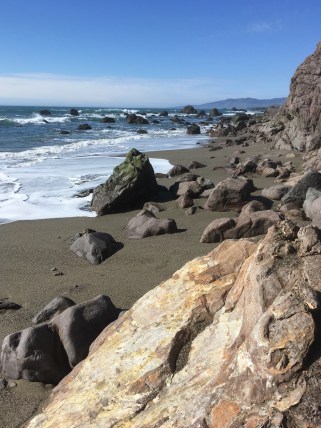
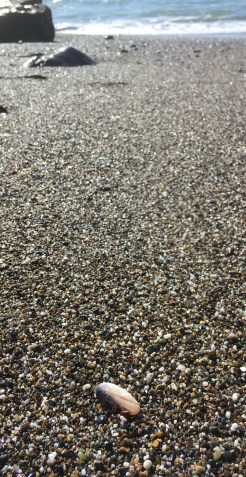 Today I was thinking about too many things to let the water temperature take over my mind, though I walked in the surf as much as ever. Tears came to my eyes, for joy at being there in the elements, my senses refreshed and my mind having encouraging things from Elder Cleopa to rest on. It was convenient that the elements were fairly gentle, and that the tide had gone out just enough to reveal comfortable sitting rocks at the north end of the beach where no other people were. I sat.
The tide had peaked high about two hours before I arrived, and as each wave fell away from the shore, it looked as though it were pulling back on itself; I wonder if that was an optical illusion from me seeing the steep slope of the beach as the wave retracted. The way tides work is pretty complex! I just read this online, when I was looking for the opposite of ebb:
“The incoming tide along the coast and into the bays and estuaries is called a flood current; the outgoing tide is called an ebb current. The strongest flood and ebb currents usually occur before or near the time of the high and low tides. The weakest currents occur between the flood and ebb currents and are called slack tides.”
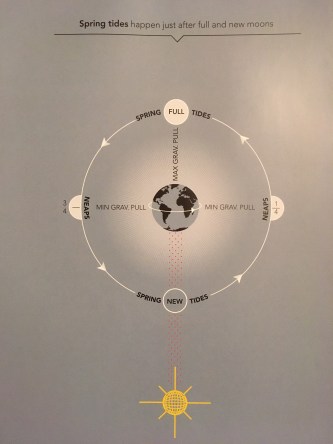
I learned three things in that short paragraph. If I could find the time to study it, I would like to learn much more, from this book, Tides and the Ocean, that I borrowed from the library. I may have to take it to the beach and sit on a rock to read it, where I have no other books, and few other “tasks” to distract me. Pippin read a bit from it when she was here (away from her own books and usual tasks) and explained to me about some other things that affect the tides, like the sun, and local weather. There are many great diagrams and pictures to help explain everything.
One idea from Elder Cleopa’s story that impressed me was that the only thing demons can do to us is suggest thoughts. We think they are our own and we build habits out of them, and follow a path away from repentance leading to salvation.
But God, through our conscience or our Guardian Angel or maybe many means, also gives us promptings, which it’s best to follow hard on. Otherwise the demons will come right along and suggest that we procrastinate. Merely procrastinating doesn’t seem too bad… But watch out!
The kindness of God quite overwhelmed me this afternoon. I got home a little late, with not enough time left to tell you all I had planned, about my outing — especially what I saw on the way home. If I am here tomorrow maybe I will work on that part. It’s easy to get behind in recounting the gifts of our Creator and Lover and Friend.


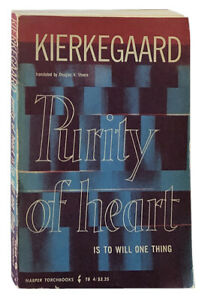 I would like to read more of Søren Kierkegaard’s writings. My intent is on display in the form of four titles by him that I have had sitting on the mobile bookshelf here in my kitchen/family room, for a year at least. I guess if I could decide which to read that would be a good start. A biography of him I am not likely to get to, but who knows…? In the meantime, I am reading this homage by Dana Gioia in the form of a poem. Seems like after this I owe it to Kierkegaard to read at least one more of his own works, though not in hopes of explaining any “riddles.” Only God can do that, and we know that He will — all of them, all of us.

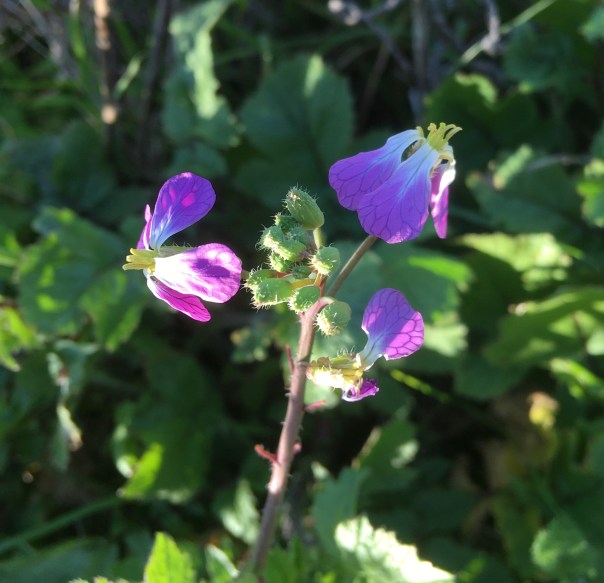
 Yes, that mustard above is mustard, and in this context it isn’t considered a weed that needs eradicating. It actually helps suppress the nematode population among the grapevines, because mustard contains high levels of biofumigants in the form of glucosinolates. Evidently the sharp flavor isn’t appreciated by the nematodes. However the mustard got there, it’s ubiquitous now, and beneficial.




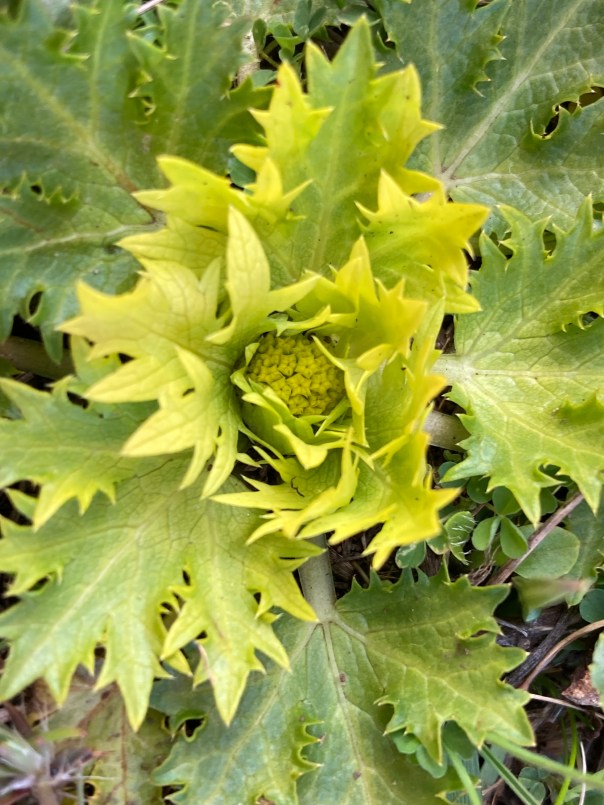



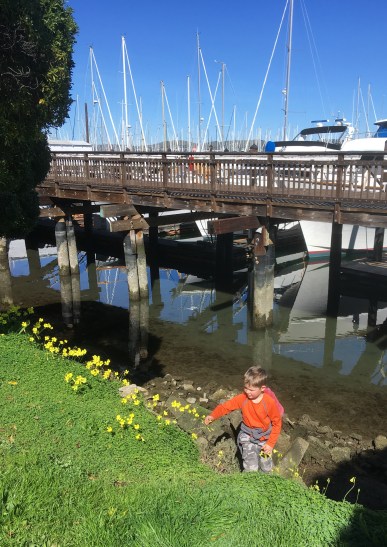
 Plantain was growing everywhere beneath our feet, mixed in with the oxalis. Scout told me that if you get a rash from stinging nettle you can chew some plantain and put it on the rash to soothe it. But there were no nettles in this neighborhood, and we left the plantain alone.