
On Hierarchy and the Reduction of Complexity in the World
“The world is, for all intents and purposes, infinitely complex. Even if there isn’t a truly infinite number of things, phenomena and facts, there is a sufficient infinity of combinations of things, categories of things, potential and real. This complexity has to be reduced to a level that is manageable at the level of moment-to-moment perception (we can only attend to one thing) and action (we can only undertake one action). That is accomplished through the cooperation and competition that is part of the general social hierarchy, which specifies through collectively-established value and through language itself what is to take priority and why.
“The hierarchy says: ‘Here’s what’s valued. Look at that (perceive that) and not something else. Pursue that (act toward those ends) and not something else.’ What the hierarchy truly specifies, therefore, is not the value of things, but the value of behaviors or perceptions that create, maintain or distribute valued things. That’s an ethic. The ethic called forth is a set of principles for acting in the world of value.”
-Jordan Peterson
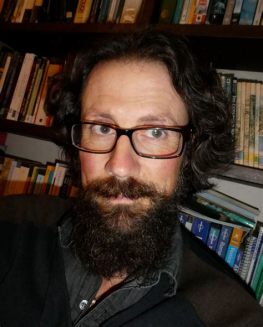 “I realized that a crisis of limits is a crisis of culture, and a crisis of culture is a crisis of spirit. Every living culture in history, from the smallest tribe to the largest civilization, has been built around a spiritual core: a central claim about the relationship between human culture, nonhuman nature, and divinity. Every culture that lasts, I suspect, understands that living within limits—limits set by natural law, by cultural tradition, by ecological boundaries—is a cultural necessity and a spiritual imperative. There seems to be only one culture in history that has held none of this to be true, and it happens to be the one we’re living in.”
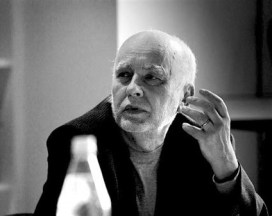 “The loneliness of leaders. Sometimes I try to imagine what they read, what books the great political leaders might pick up. I don’t mean the abhorrent dictators… but genuinely great leaders. I’m not sure such leaders even exist at this historical moment, probably not, but they did exist, fortunately enough, not so long ago, during the Second World War. Poets and novelists are reluctant to remember this….”
 Gladsome Lights