Feast of the Transfiguration of Christ

This mosaic dating from the 6th century is in the apse of the great basilica at St. Catherine’s Monastery, Mt. Sinai, built by Emperor Justinian before 565. I found it when I was looking at icons on the internet of Christ’s Transfiguration, which we commemorate today.
I also watched a fascinating video, the Conservation of the Transfiguration Mosaic, featuring an informal and entertaining lecture by an eminent Italian archeologist, conservationist and expert on mosaics, Roberto Nardi. It is informal in that he does not read a paper, but gives the best kind of commentary on the extensive video footage shown. The video is from 2012, so maybe I am one of the last to see it.
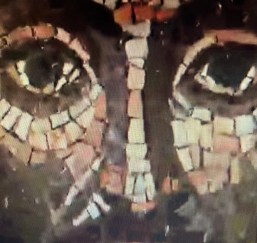 He starts with the history of the monastery, which he admits goes back to Moses and the burning bush, on through St. Helen and St. Justinian; the mosaic was installed soon after the church was built. In 1847 a Russian monk named Samuel did a huge amount of restoration work on the mosaic, and in 1957 archeologists sounded an alarm about its deteriorating condition, but it lasted 50 more years to the point where this 5-year project began. By then, 20,000 tiles were missing (though of course monks had saved them in boxfuls), which equaled 4% of the total, and a great number of the remainder were no longer actually attached to the base layer.

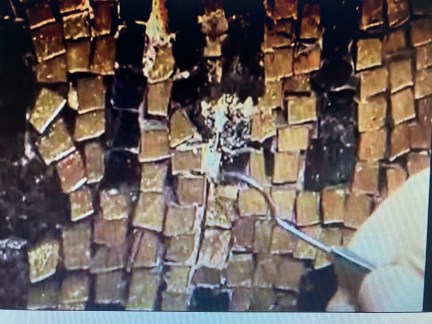
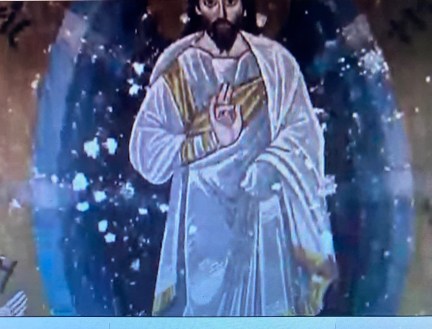
I could watch this video over and over, all the tedious detail work so well documented. What they did about the missing tiles (shown as white spots in the picture just above) was the outworking of a series of complex deliberations. I hope you will check out at least a bit of the video, because I don’t know where to stop, telling you all the things about this long project that impress me. How the conservators came to learn to appreciate the experience and perspective of the monks — the ones who live with the icon and pray with it every day — was a touching part of the story. The pictures I show you are just teasers, blurry because I took them of the video on my desktop computer monitor.


Back in the U.S.A., our parish celebrated the feast with all the important elements intact. If you want to read more content on the feast itself you can find a lot from past years here. I don’t always get to be part of the procession through the church vineyard, and sometimes I have forgotten to bring a basket of fruit, but today I managed both!


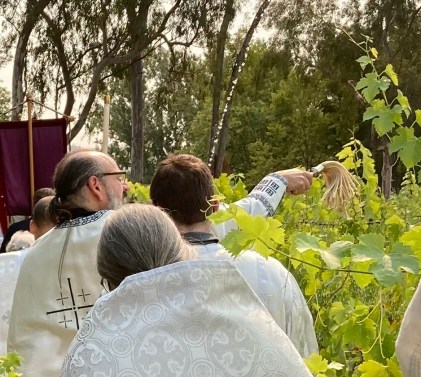

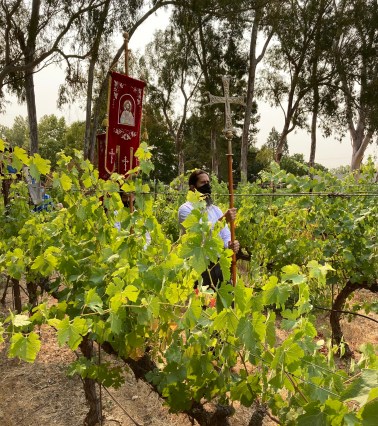
The monks celebrating the Divine Liturgy under the icon of the Transfiguration at Mt. Sinai, and the Orthodox parishioners in California — we are all singing this hymn of the feast:
O Lord, we will walk in the light of Thy countenance,
and will exult in Thy Name forever.
(Ps. 88:15)


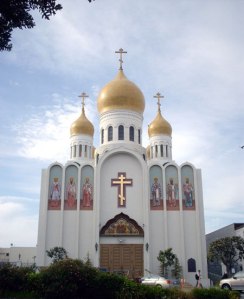
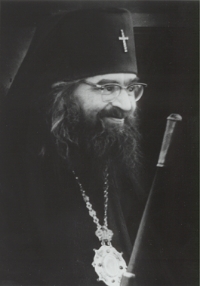 were coming to power there, he helped 5,000 of these expatriates to emigrate, eventually to the United States. Later still he established the cathedral in San Francisco where his incorrupt relics remain.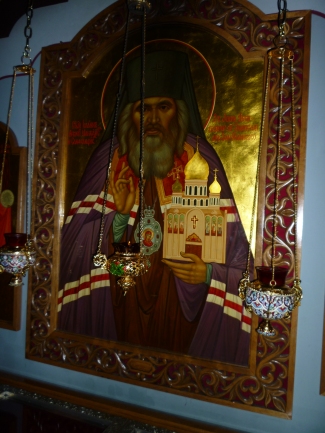

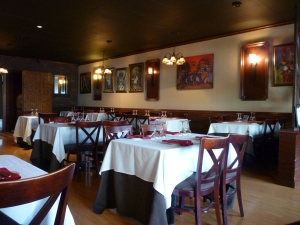 Afterward we needed lunch, so we followed the advice of the candle desk attendant at the cathedral and ate at a Russian restaurant called The Red Tavern that was also in that Richmond District neighborhood. We were the only people there, too, though from the name we half expected when we went through the door to see a group of Bolsheviks plotting in the back corner.
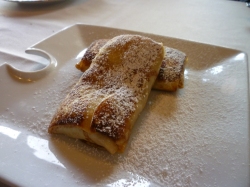 man only recently from Ukraine was our waitress and we enjoyed talking to her and eating the wonderful food. I didn’t think that I liked Russian food much, but everything I tasted was superb: dark brown bread scented with caraway, fresh cabbage salad with golden raisins and tomatoes; thinly sliced fried potatoes; and barley-mushroom soup with a complex and rich flavor. We all shared some Polish poppy seed dessert that we could tell had marzipan in the filling. We cut the two pieces into two more and ate them off these pretty dishes that the waitress said were their “dessert plates.”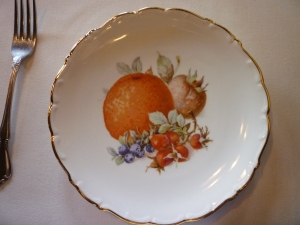
 It is believed by the Orthodox Church that our Lord’s disciple