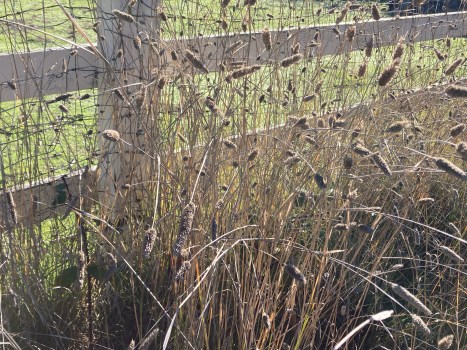
Monday is usually for me a recuperative day when I try to stay home and catch up with myself after a lot of Sunday “output.” It didn’t happen the same way today, because I wanted to get to the post office early and mail lots of Christmas packages. It was a cold but not freezing, clear and sunny day, and once I was relieved of my burdens, I knew I would take a walk.
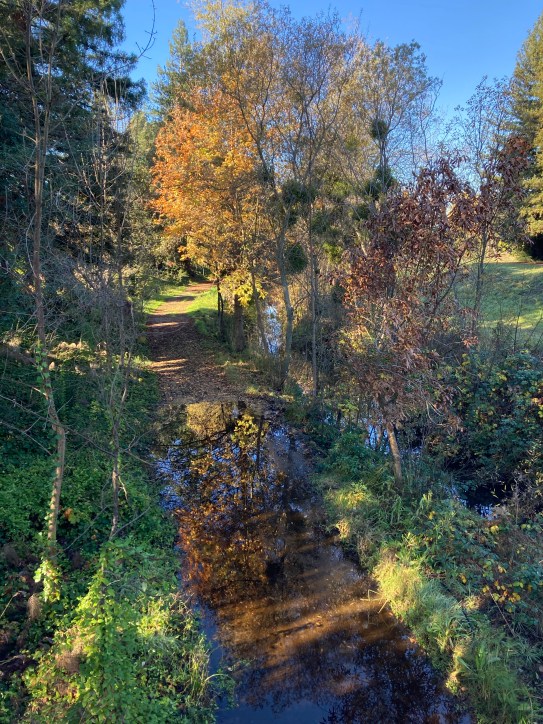
It’s very strange, how for more than a year I have been stubbornly averse to the long-familiar walks in my neighborhood. Is it “familiarity breeds contempt”? But as I always say, every day is different out there, and if you can’t see that, then certainly week by week you would notice, that the plants and the weather are obviously different, so that it is not the same place you are walking. I still didn’t care.

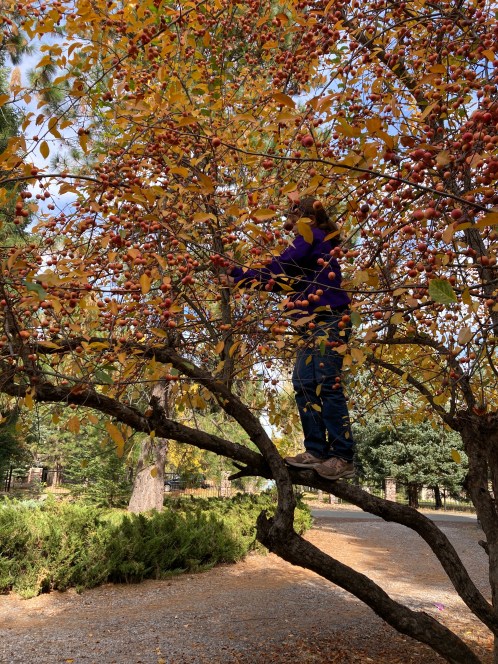
 Autumn, after the rains, always tries to pull me out for an explore. But until today, I resisted. I had too much on my mind, on the calendar, and didn’t feel the freedom. It was a providential synchronicity that today, when I am transitioning into the remainder of Advent, the weather was perfect for it. As soon as I neared the creek the heady scents filled my head — of wet earth and leaves, infused with the sweetness of fennel seeds fermenting in the dampness.
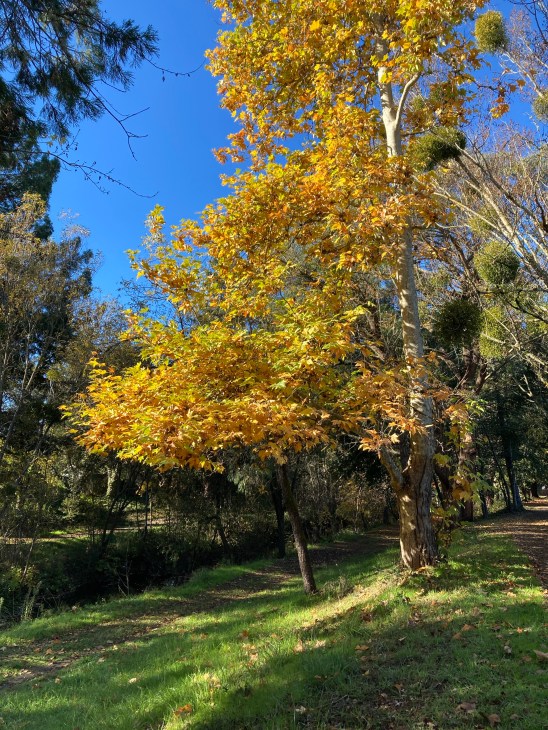
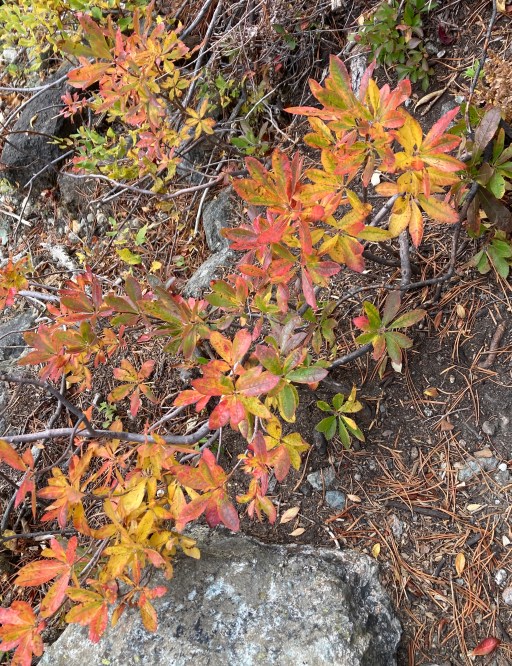
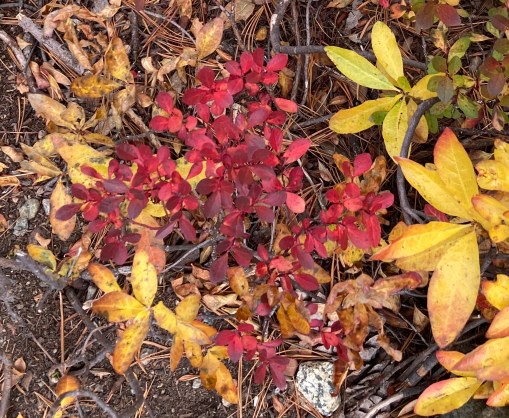
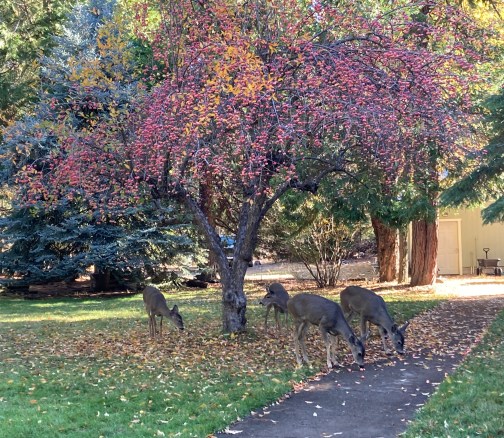
We’ve had enough rain that the sheep in the pasture had plenty of bright green grass to graze on, and I think it made the fall colors extra bright. And my mood was bright. Now on to cookie baking!

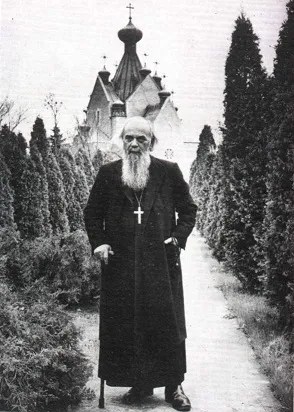 “Theology means the word about God. Theology is therefore ALL or nothing. The whole of nature and the super-nature and the subternature IS ALL theology; all man and every part of him is theology; every meadow and every flower is theology; Sirius and the Milky Way, nebulae and meteors are theology; the history of the planet and the history of the people, the history of radioactivity and the history of every butterfly, and of every grain of sand, and of every drop of water, and of every ray of light are theology.



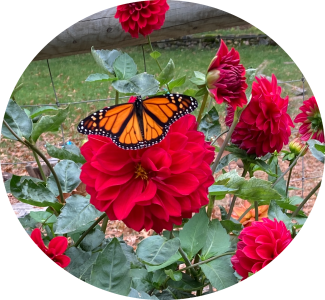 The most surprising thing close to home was a Monarch butterfly in Pippin’s garden, seemingly having wandered way off course; they are never seen in this part of the country, and this is the wrong time of year, as well. It was fluttering among the extravagant dahlia flowers, and we encouraged it to light on a white one, or any color more complementary. But it preferred the red one.
 Gladsome Lights