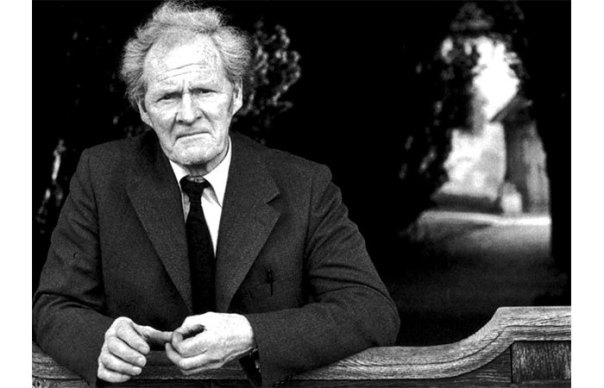
How did the rose
Ever open its heart
And give to this world
all its beauty?
It felt the encouragement of light
Against its being.
Otherwise, we all remain
too frightened.
Hafiz (c. 1320-1389)
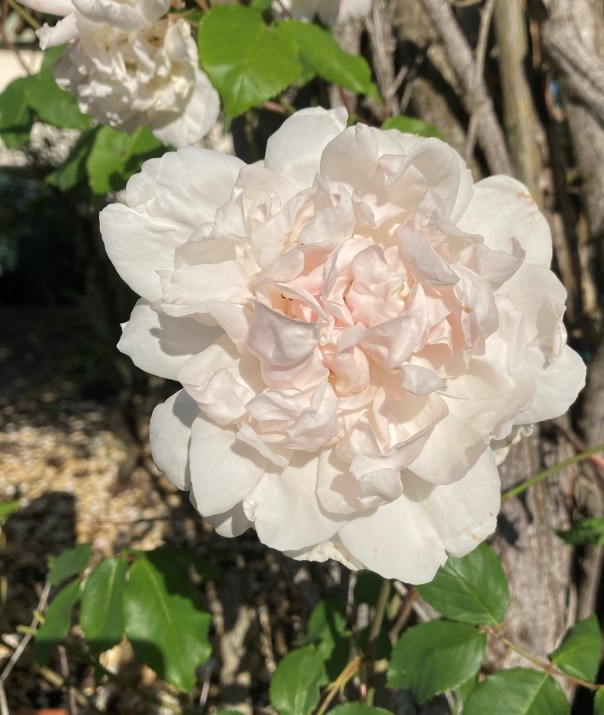
How did the rose
Ever open its heart
And give to this world
all its beauty?
It felt the encouragement of light
Against its being.
Otherwise, we all remain
too frightened.
Hafiz (c. 1320-1389)
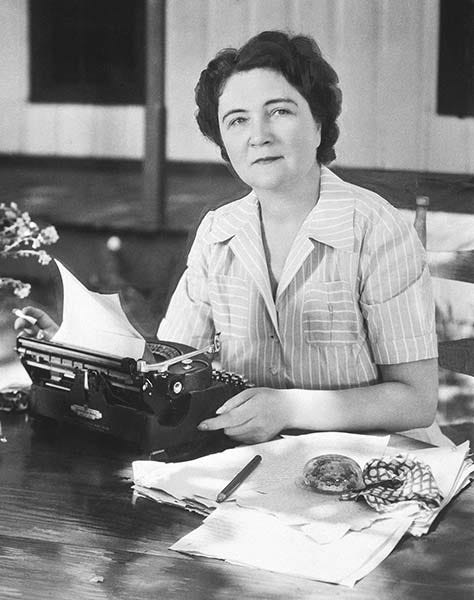
LEMON PIE
I struggled ten or fifteen years
To make good lemon pie.
The crust was thin, the paste was thick,
And the meringue was dry.
The crust was thick, the filling thin,
The top was limp and flat!
I thought, I’ve met my Waterloo–
I’ll never master that!
But I toiled on while bitter tears
Fell often on my board.
And now I’ll draw a peaceful breath–
I’ve reaped a rich reward.
I heard the village gossip say,
Today as I passed by:
“I never liked her, but she makes
A perfect lemon pie.”
-Marjorie Kinnan Rawlings
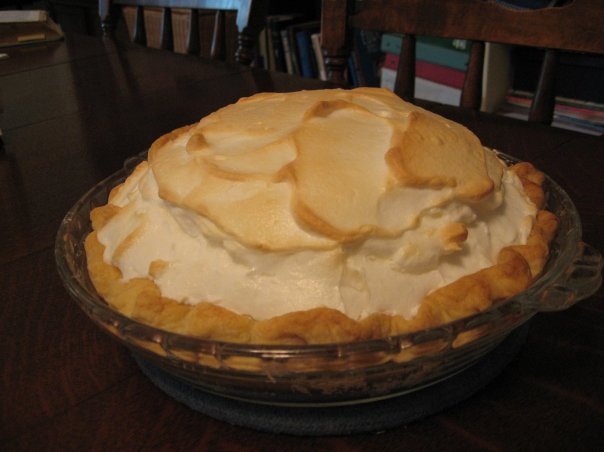
 I made a lemon meringue pie only once, and wrote about it here: Pie Amusement
You might think from the way I talked about pies ten years ago that I would have made dozens more by now, at least one a month, right? I have not. But, maybe I will this week — haha! I truly have been wanting to bake some kind of dessert so that I can call — or more likely, text — the neighbors and ask them for dessert on one of these long evenings. For me, baking a pie is a monumental event, and I don’t know if I can change my perspective at this stage of life.
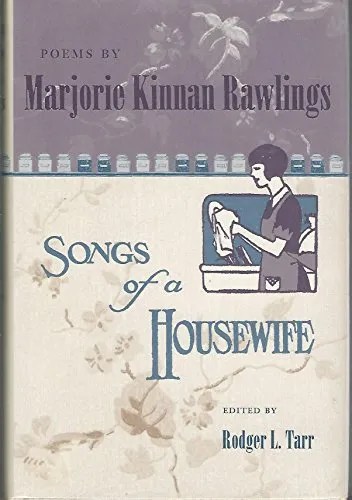
This poem is from the poetry collection Songs of a Housewife, but you might be more familiar with the poet as the author of The Yearling. If you’d like to read more about the housewife-poet Rawlings, Sandy’s Chatter featured a post about her some time back, and shared another poem, “Prize Jelly.”
WE HAVE NOT LONG TO LOVE
We have not long to love.
Light does not stay.
The tender things are those
we fold away.
Coarse fabrics are the ones
for common wear.
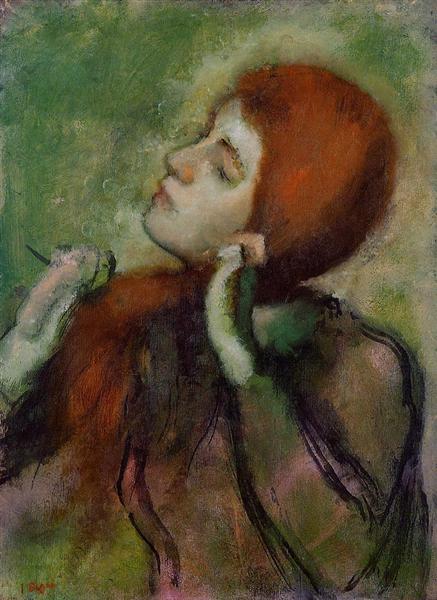
In silence I have watched you
comb your hair.
Intimate the silence,
dim and warm.
I could but did not, reach
to touch your arm.
I could, but do not, break
that which is still.
(Almost the faintest whisper
would be shrill.)
So moments pass as though
they wished to stay.
We have not long to love.
A night. A day….
-Tennessee Williams
THE BODY IS MINE AND THE SOUL IS MINE
‘The body is mine and the soul is mine’
says the machine. ‘I am at the dark source
where the good is indistinguishable
from evil. I fill my tanks up
and there is war. I empty them
and there is not peace. I am the sound,
not of the world breathing, but
of the catch rather in the world’s breath.’
Is there a contraceptive
for the machine, that we may enjoy
intercourse with it without being overrun
by vocabulary? We go up
into the temple of ourselves
and give thanks that we are not
as the machine is. But it waits
for us outside, knowing that when
we emerge it is into the noise
of its hand beating on the breast’s
iron as Pharisaically as ourselves.
– R.S. Thomas