
The song of a Bewick’s Wren came through my bedroom window as I was waking to the morning. I’ve never heard one of these birds carrying on so long.
If you are not familiar with it you can listen here: Bewick’s Wren
What busyness in my life all at once. June warmth makes my blood to move faster, and days fill up and empty themselves, as the thermometer on my patio rises and falls. A few of the many things:
**Half the plants in the garden need trimming already! I severely pruned the plum trees, trying to keep them small, as per Grow a Little Fruit Tree. Santa Barbara daisies, wallflower, helianthemum, gazanias, bush lupine and salvias, all needed a midsummer shearing. Then there were all those one-gallon salvias and such for which spots must be found in the ever more crowded landscape. I’ve been gardening for hours every day.
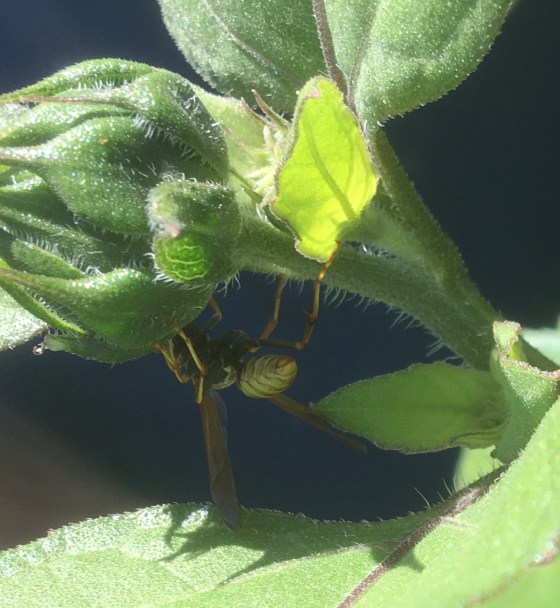
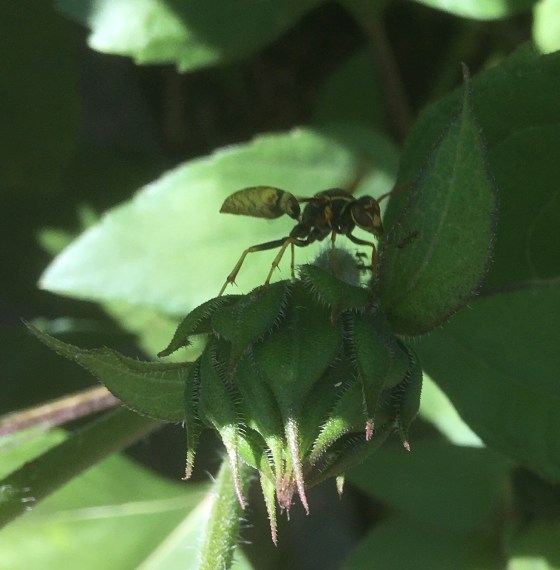
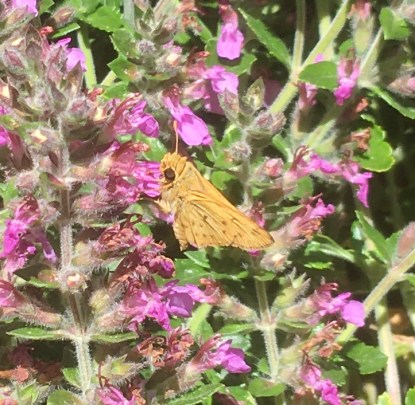
**Still seeing butterflies and wasps that I don’t know, and which I can sometimes identify. These wasps that my Seek app says are paper wasps ignore the sunflowers that are open, and hang out on the fat buds. I wonder what they are doing…
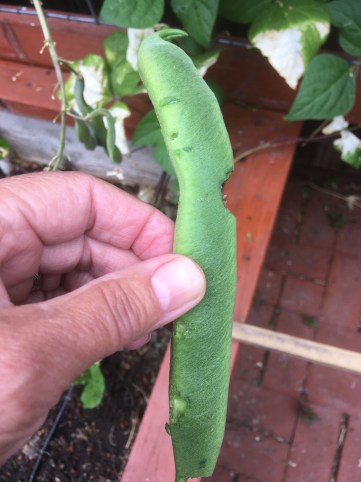
**Rats seem to be eating my garden as they did in 2016. Then it was tomatoes. This time it was the single collard plant that came up from some old seeds. After it grew back for a few days they ate it again. Then they tried the unripe Painted Lady runner beans but evidently didn’t like them. I’ve planted fresher collard seeds and am trying to figure out how to protect them when they sprout. Rats spurn Swiss chard, and all the other current offerings, though they did nibble on snow peas back in April.
So as not to attract rodents unnecessarily, I’ve been bringing the bird feeders into the garage at night. At first light finches and mourning doves and even crows are waiting for the sunflower seeds to reappear.
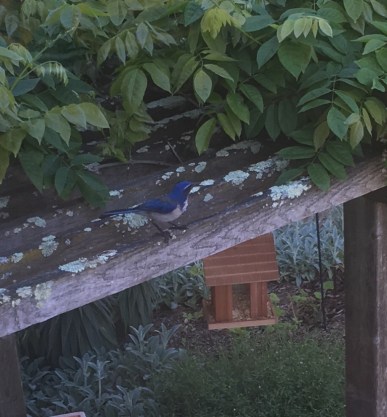
This morning, as I often do, I pulled on my robe and went out to hang their “chapel” feeder on its hook above the patio, and then I looked up into the redwood tree, because I could tell that the wren was broadcasting from there at that moment. But I couldn’t see him. A junco and titmice and a hummingbird flew back and forth from that tree, to and fro across the yard from tree to rooftop to tree; but the wren followed his routine of staying out of sight while visiting in turn every tall tree in the neighborhood, making sure he communicated to each household, insisting on joy.
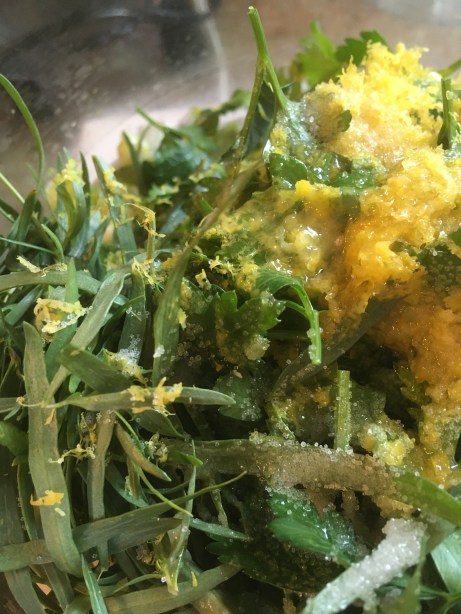
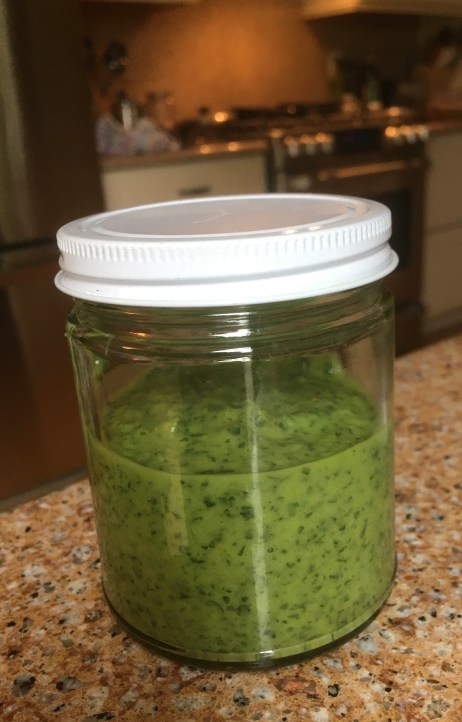
**I’ve been cooking a lot. I love having fresh tarragon with which to make the Tarragon-Parsley Salsa Verde. This time I used walnut oil instead of olive oil and it’s great. The yellow in the picture above is lemon zest.
I took all the remaining Painted Lady beans I’d stored and soaked them together. The older they get, the more they turn dark and red and shiny. The older beans took longer to soak, and longer to cook to tender.

**My computer comes and goes with my Computer Guy, and while he’s always interesting to talk to on almost any topic, the other day when he came merely to pick up the PC he wanted to talk for an hour before he even unplugged it. He has lots of ideas for how to improve the state of the nation. I told him he’d need to be king so he could make unilateral decisions.

**The construction workers came back! The new bathroom is perfectly usable now, though it has a couple of details unfinished. I soaked in its tub the night after my most strenuous day of pruning. Lovely. My master bedroom walk-in closet is almost done — maybe tomorrow I will be able to start moving into it, after more than a year of shifting my belongings from one room to another. This was the closet that I basically wanted to get unextravagantly spiffed up before the major remodeling was begun. And it has been the biggest inconvenience. That is sometimes most aggravating to think about, but on days like today, the wren makes me laugh aloud.
**I pulled this weed out of the germander and was impressed by the little black seeds. I think it is Black Medick.


**Yesterday morning I was surprised by daughter Pippin appearing in my front garden and calling “Mama!” up to me where I sat by a sunny open window. Such a familiar voice and word… ❤ How she happened to be here is too long a story, but we enjoyed the best hug ever — well, at least since I saw them in March. And then we sat in the garden and chatted and it was so good for our mother-daughter hearts. She and I are not phone-talkers at all; we really need to be together in person to be fully satisfied.
**I don’t like to write much here about things that are expected to happen in the future, because they aren’t real yet. But the excitement I feel is terribly real, over the imminent arrival of Kate and her family; they will stay with me for several weeks! She is my youngest, whom I went to India to see, and whose two babies I was blessed to see come into the world, one in India and one in DC last summer. Her family actually contracted the coronavirus and got over it while cooped up in their DC apartment; otherwise they would have been leery of coming to California to see all the grandparents before they go abroad again.
We’ll see what kind of blogging communications I will be able to accomplish in the next while — maybe it will be the little boy voices that wake me morning by morning to the important realities of this particular summer season. That will also be music to my ears.
“Their voice has gone out into all the earth, and their words to the end of the universe.”
-Psalm 19:4
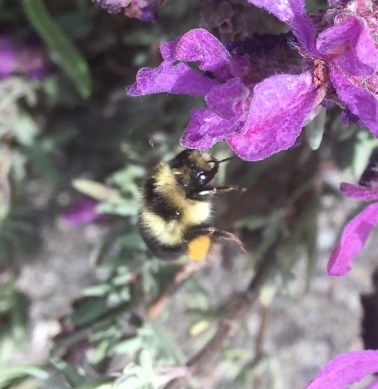
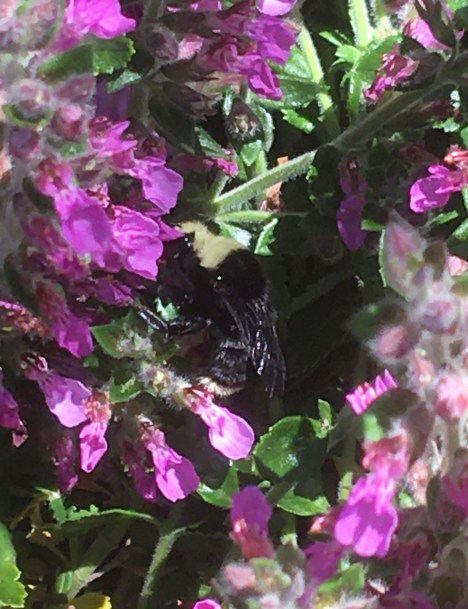
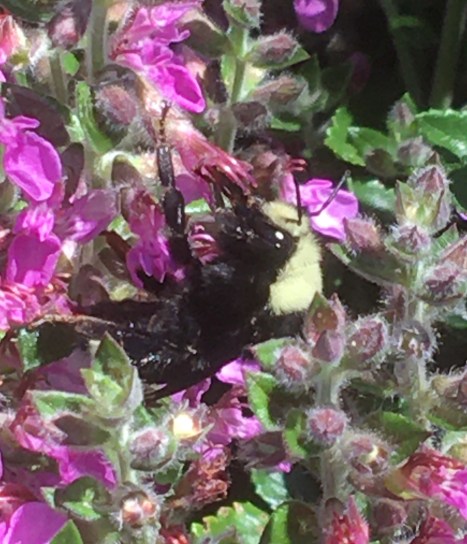


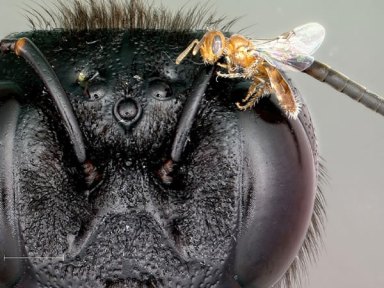
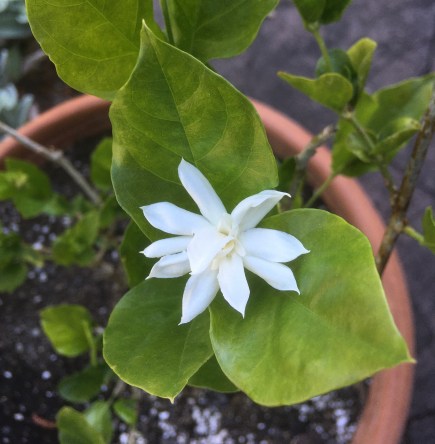
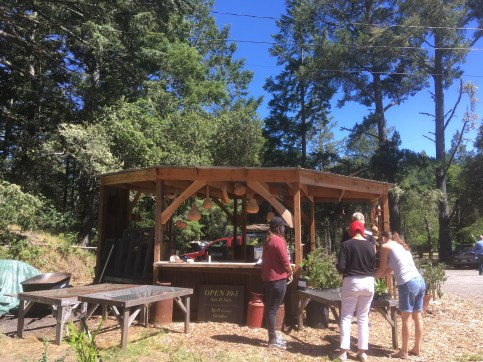
 Way back in October, I think, was the last time a certain one of my favorite plant nurseries was open — until Saturday, when I drove over for the reopening. The retail aspect is a small part of a larger sustainable agriculture/ecological/educational project, and is only open on weekends in the warmer months. Over the years I’ve bought lots of annual vegetables there, but lately they focus on perennial edibles and and medicinal plants.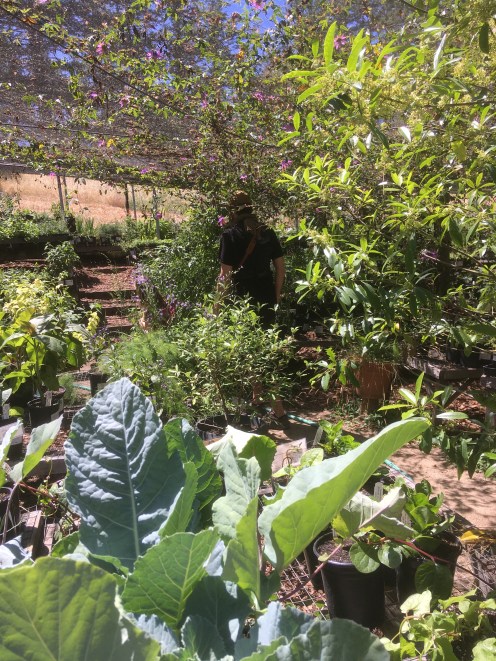







 After Myriah had gone home, she wrote to thank me, and to apologize for what she thought was her own “noise” as she “tried to make sense of everything.” She said, “I came home and planned to curl up and read the Bible.” But family demands prevented her. I realized that I had robbed her of what should have been a respite from confusion, talking as I had as though raging and clanging could be truly rational. Probably we should have spent some part of our two-day visit reading the Gospel together. (The garden did rescue us several times.)

