The orange blossoms beckoned, from my youth, from the Central Valley, from the treasury of olfactory memories in my mind, and from the image imprinted there the last time I visited my childhood home at this time of year. I didn’t remember the scent itself, but I remembered the ecstasy of inhaling it.
In response I made a little road trip last week, and spent time in Tulare, Kern and Fresno Counties, smelling citrus blooms and visiting with family and friends. I stayed with my sister Nancy, the farmer, who lives in the middle of the groves of trees that she and her husband care for. The Sumo mandarins that directly surround them were just about to bloom, so they had recently been covered with bee netting.
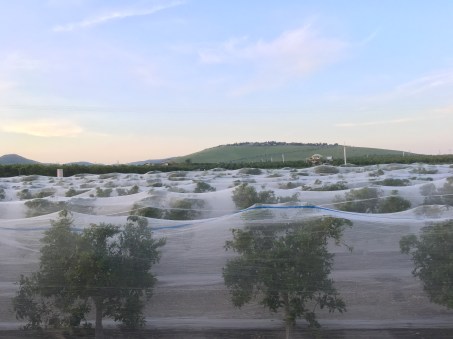
What? you ask. Yes, they are protecting the trees from the bees, because if the Sumos get cross-pollinated with other citrus such as lemons they may make seeds, and that is a no-no for seedless mandarins. It’s just one of the many sorts of special treatment that the trees and the harvest get, and an example of the extra work involved to grow this fruit that was developed in Japan. If you haven’t eaten a Sumo it may be because the costs add up quickly to make them expensive in the stores.
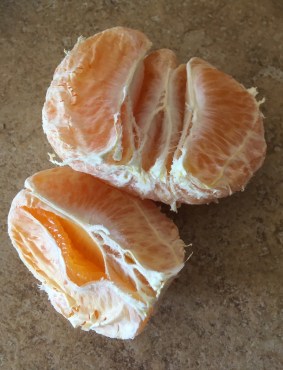
 Nancy found a few Sumos remaining from this year’s harvest to give me. They are large for a mandarin orange, seedless, very tasty, and their loose rind makes them super easy to peel.
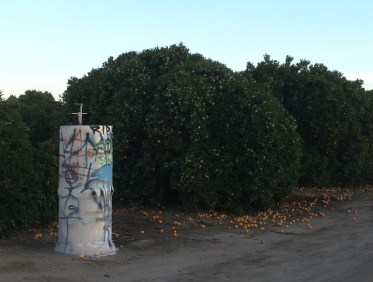
I came home with oranges from my father’s navel orange trees, too, which I didn’t expect. That fruit would normally be all picked and gone to market long before now, but this year the trees in the Valley are loaded with fruit, and it’s very small. That is a recipe for not being able to sell it, so the oranges fall on the ground eventually and the farmers take a loss. Farming is hard in many ways, and it’s not getting easier.
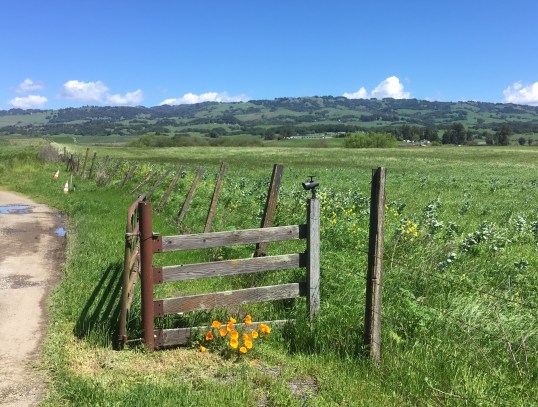
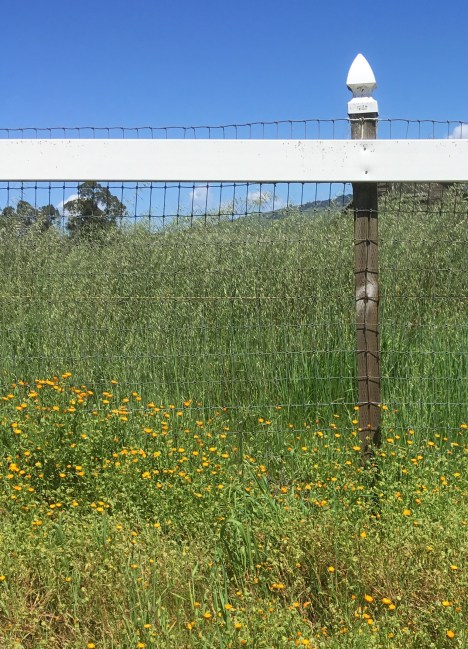
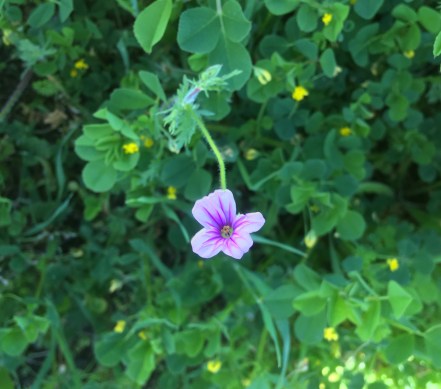
The next few photos below are from years past, taken at various times of year, of these country roads and places where I spent my childhood.


The view below of the Sierras with the sun rising behind reveals the profile of a formation that looks from there like a man lying on his back. We call it Homer’s Nose (though I didn’t remember “meeting” Homer until recently, and only heard about him from afar):

Since I was “so close,” one day I drove farther south an hour and a half to visit another Farm Girl, Kim of My Field of Dreams. After reading blog posts about each other’s gardens and families for many years, we enjoyed our first face-to-face meeting. We were like old friends or long-lost sisters (well, we are sisters in Christ, after all) and talked and talked, while I ate her delicious flourless muffins and got my wish of a spell of porch-sitting with Kim, looking out at the gardens that she was anticipating planting this week.

I didn’t want to leave, but I must. I got back on the two-lane highway with crazy tailgaters, and survived the ordeal again in reverse. When I arrived safe and sound back at Nancy’s it was the most relaxing thing to be able to sit outdoors before dinner and chat. Here we get chased indoors by fog or cold breezes very early, but there we were warmed by the rays of the sun on our backs and the air was still, and laden with orange scents. 🙂
I spent three days with my family. The last night we four siblings all were together, with some spouses and a few members of the younger generations, at the house where we grew up together, where my brother now lives. There again we ate our barbecue on the patio, and never went in, and it was the sweetest thing just to be together with those persons so fundamental to our psyches. My brother helped me pick a couple of bags of oranges from the same trees that have fed us for decades — they weren’t too tiny — and I’m confident that the eating of them will help me to prolong the savor of my brother and sisters and the whole family that I love.