
The greatest pleasure and thrill of Christmas can’t be had without a little waiting, something like children of yore had to do, when their Christmas trees weren’t even ready for viewing until Christmas Day.
Seven years ago Pom Pom hosted a Childlike Christmas (blog) Party, a party to which we were invited to show up via our blogs four times during December. This year she hopes we will join her every day during December, but this time it’s a more general theme: Advent Blogging. Maybe it is the child in me that is once again saying, in spite of the much greater challenge, “Sure! No problem!” I am updating this post from back then as I join in seven-years-later, partly because I wanted to retain a quote from Pom Pom’s 2011 party announcement:
“Yesterday I asked my students, ‘Why the big greed festival over the holidays? Aren’t we fine right now? Don’t we have enough?’ …Here at Pom Pom’s Ponderings, we are going to think about the simple pleasures of the holidays, the childlike wonder that doesn’t involve the ka-ching ka-ching of the cash register….four holiday Wednesdays of posts that attend to the simple childlike thrills of Christmas. ….that babe in a manger and the children He loves and cherishes.”
The babe in the manger is, of course, the One whose Advent we are anticipating, but I feel the topical field to be pretty wide open. I will be writing about whatever I am doing and thinking during this season, knowing that He is the life and breath of me and everything.
The modern world likes to jump into Christmas immediately after Halloween or Thanksgiving, but the more traditional way to celebrate involves some Anticipation and Preparation. Children might think of it as Waiting and Getting Ready. Some of us have been in Advent, which we call the Nativity Fast, since November 15th.
I’m not experienced in helping children to forgo the treats that are pressed upon them in every shop and neighbor’s house at this time of year, but even before I found the Church and its traditions I tried to keep the family thinking ahead to a special Holy Day, and not just because of the presents.
We need some weeks to sing “O Come, O Come, Emmanuel!” and for it to register in our minds that God’s people had to wait many generations and thousands of years for the coming of the Savior. A little bit of suffering in the form of doing without the usual quantity of food, or rich foods (in the Orthodox Church we eat less, and almost vegan, when fasting) can make it more real for us that the world before Christ was suffering under the curse of sin. We feel our own weakness, too, when eating less, and that can soften our hearts.
Why the photo of Holy Trinity Cathedral above? My church and sister churches sponsor Advent retreats every year, usually a day or half a day when we can hear a lecture and attend services together to help us focus on the coming feast in a fruitful way. One year I attended one at Holy Trinity and took the picture.
A children’s book that might contribute to a child’s understanding of time, and the processes that are necessary preliminaries to accomplishing a goal, in particular a few points on the timeline of our salvation history, is The Tale of Three Trees, “a traditional folktale retold by Angela Elwell Hunt with illustrations by Tim Jonke.”
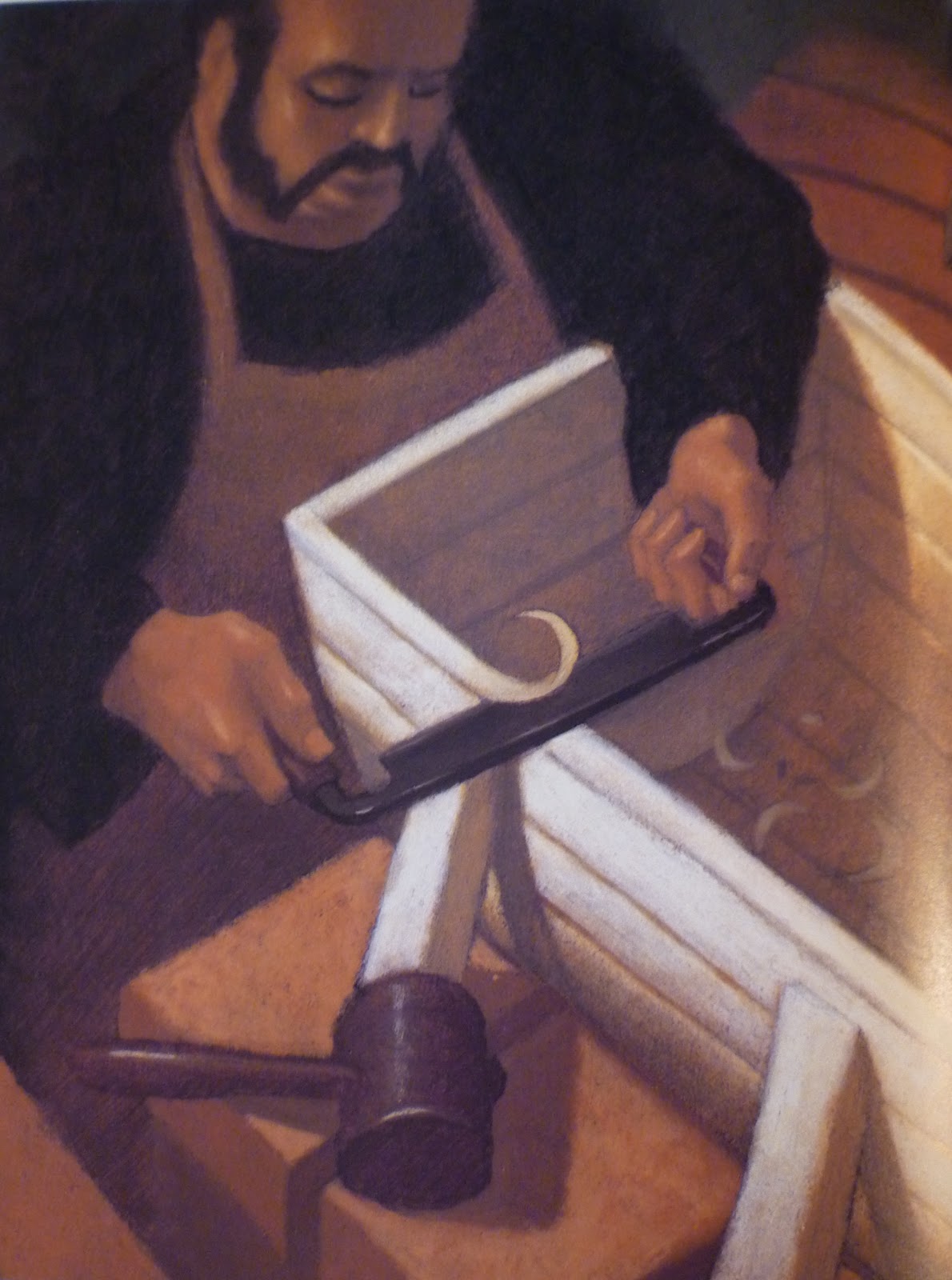 Three small trees stand on a hilltop and dream about what they might do when they are grown. One wants to be a treasure chest, one a sailing ship that carries kings, and one just wants to stay where it is and point to God.
It takes many years for them to get big enough to be cut for lumber and fashioned into items that play a part in the earthly life of our Lord. The first tree is made into a manger — and this first creation of wood that the Christ Child came in contact with establishes the story as one for Christmas.
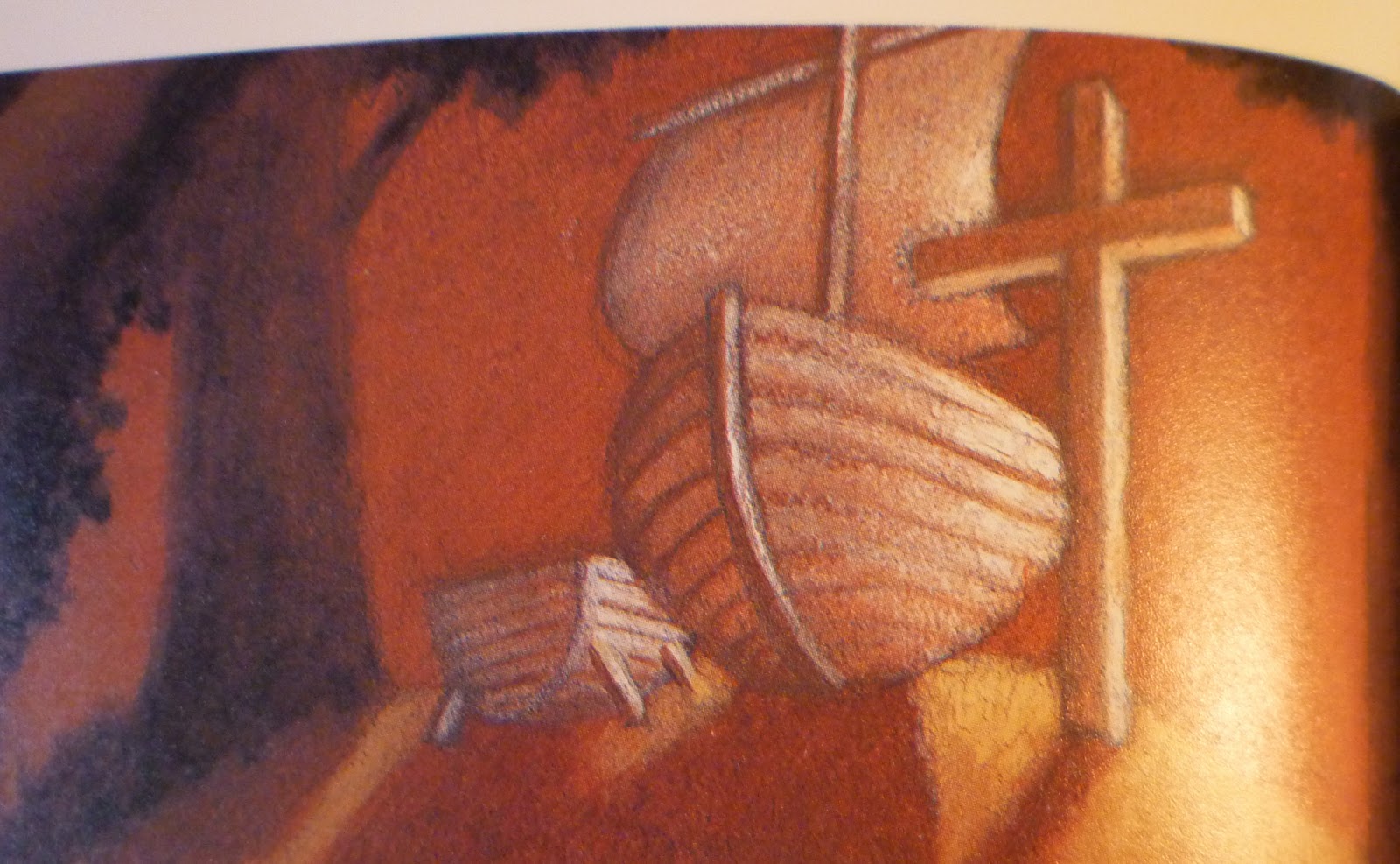
All the trees feel initial disappointment and humiliation, none more so than the one that is made into a rude cross and used for violent purposes: “She felt ugly and harsh and cruel.” But in the end all of the trees realize the blessedness of being used for the glory of God, and the young reader is reminded of the reason a Baby was born at Bethlehem.
Even our Lord Jesus went through a period of preparation, growing up as a man for 30 years before He began His ministry, but He surely wasn’t idle during that time. As we wait for Christmas we can prepare our hearts by prayer and fasting and acts of love.
Those of us with families are blessed to have many possibilities under what might be the Acts of Love category. (They might even include some noise of cash registers, but I won’t say any more about that at this party.) I know I typically have things like cookie-baking, doll-clothes-sewing, decorating and menu-planning and making up beds on my list.
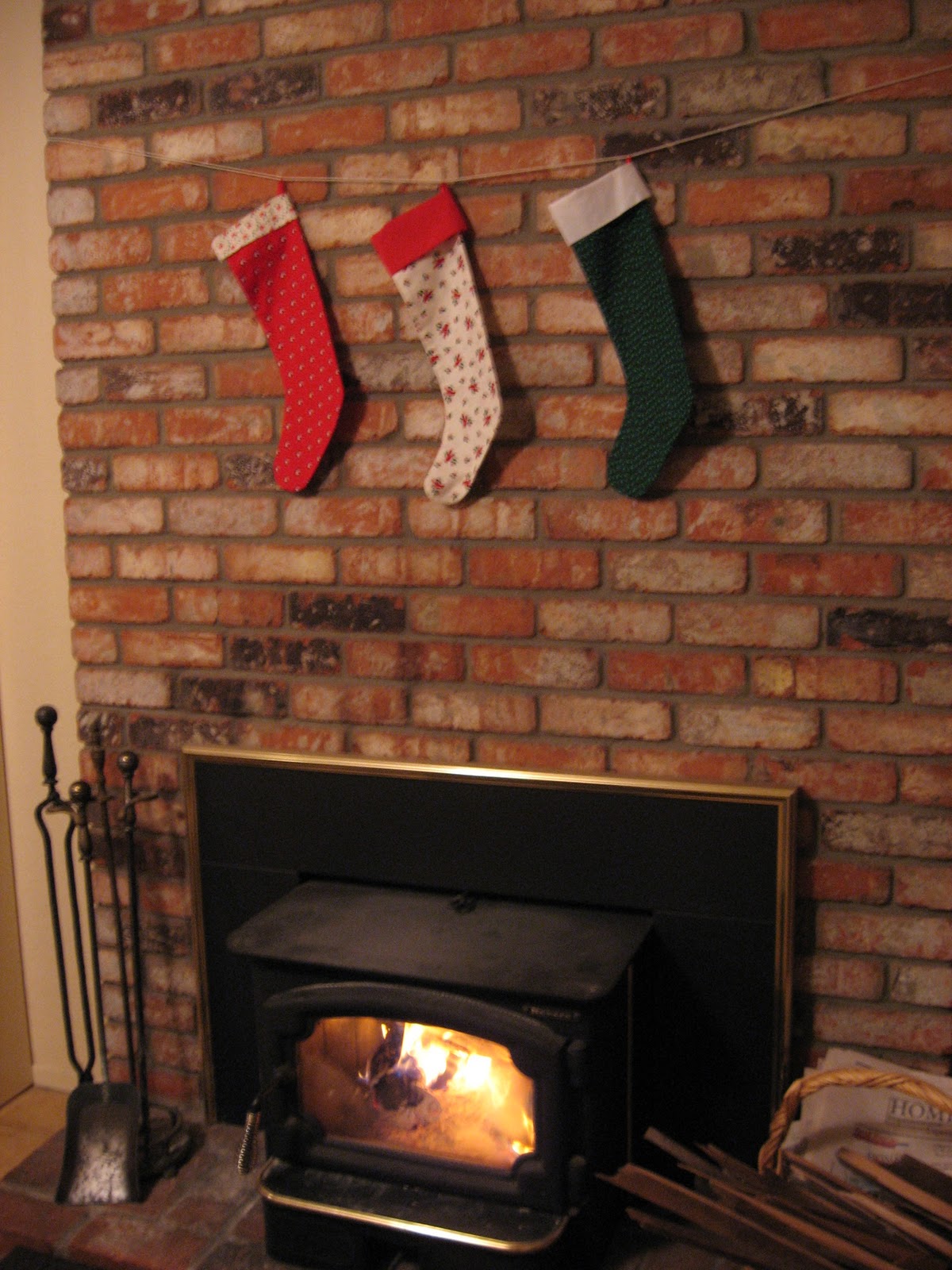 The truth is, I’m not very good at being child-like before Christmas. I feel so many responsibilities that children don’t have to concern themselves with, and I get pretty busy with all the fun type of preparations, not to mention all of the usual work that doesn’t stop.
Somehow, though, all of that, when combined with participation in the church traditions and services, adds up to make me feel some of the longing and the weakness that are appropriate right now.
It’s hard to juggle everything, including trips to the post office or the extra shopping and chores, with the quietness we long for. Maybe that tale of the trees has a meaning even for me as a grownup, about being used for His purposes, and finding comfort and courage in that, even when things are crazy with hammers and saws, blood and humiliation.
One thing more about children: Their feeling about Christmas, as I have heard, but can’t quite remember, is that it takes forever to get here! For me, it comes on like a bullet train. Will I even be able to notice each day before it is gone, long enough to post something? In any case, as Metropolitan Anthony says,
“…if the time ahead has a meaning that is necessary for us, it is inevitably coming towards us at a sure and regular pace, sometimes more quickly than we could run to meet it.”
Sometimes more quickly? I just got a funny picture in my head of the children running out ahead to meet Christmas, and us adults dragging them back by their sleeves with one hand, while we try to write the last batch of Christmas cards (or today’s blog post) with the other. Here’s an idea: Let’s all stop, and sit by the fire to read another Christmas story!
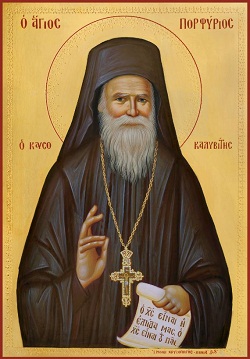 Only in the 21st century was St. Porphyrios (Bairaktaris) officially recognized a saint by the Orthodox Church. He was born in 1907 and in

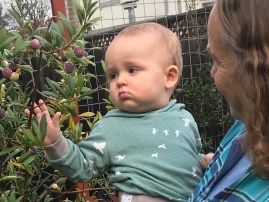 Raj and his parents have returned to the other side of the globe. Our last few days, which were quieter after all the fun aunts and uncles and cousins had gone, provided more opportunity for the two of us to wander about the garden between showers, to examine sunflower seeds and olives and salvia flowers; and for Raj to eat peanut butter for the first and second times.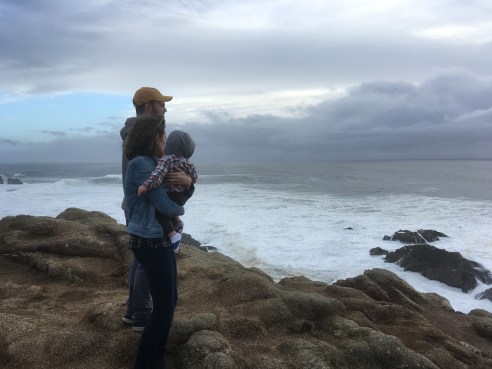


 He and Kate and Tom did land first in Colorado to meet our newly relocated clan family, a few days after I’d come back here. So I wasn’t present when Raj encountered snow.
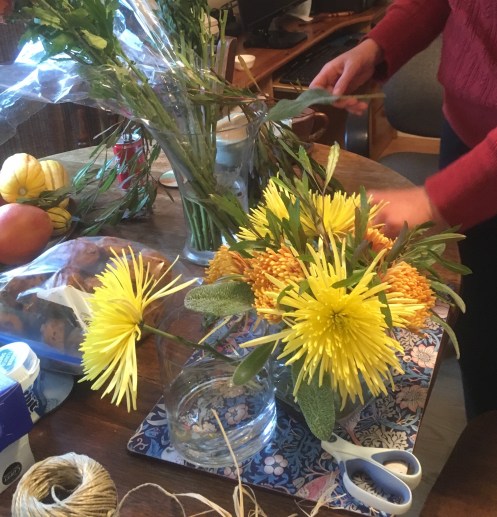
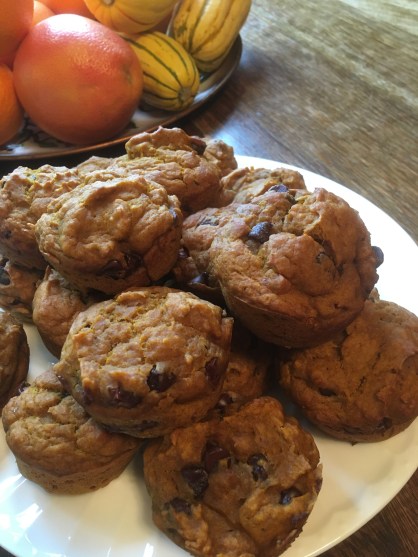





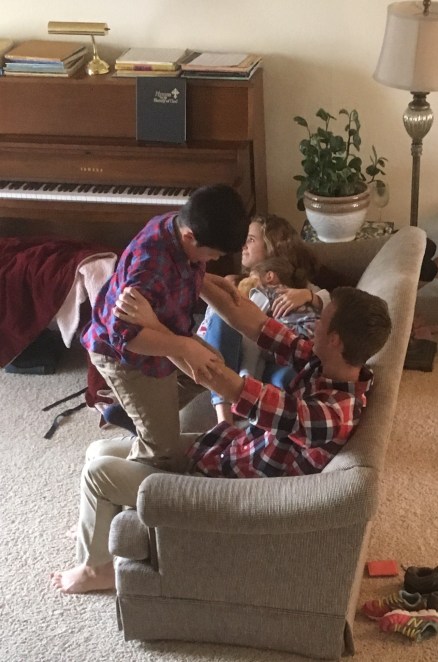


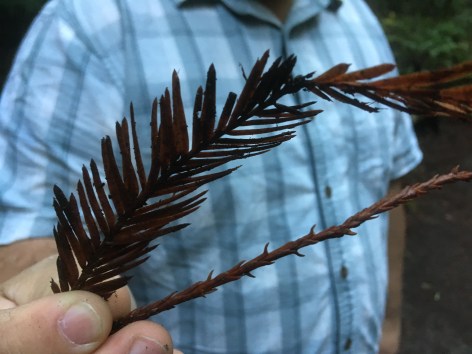

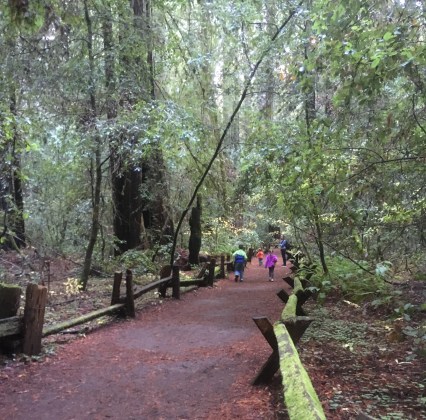



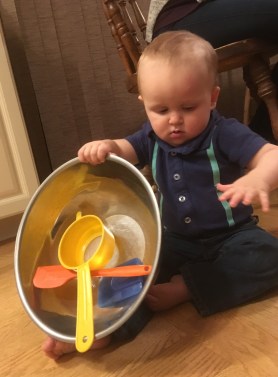 When Raj was carried into my house last week and met the third or fourth new crowd of relatives in a fortnight, he did respond to my face and voice with a sweet smile. Perhaps the FaceTime sessions truly did help him to remember my voice, adding to whatever deeper memories were embedded from those newborn lullaby sessions with me nine months ago.

