The birds are happy today and so am I. While I’ve been sitting in my garden corner both a wren and a chickadee came by to say hello. You can hear what the Bewick’s Wren told me here. A while later, out of the corner of my eye I saw movement in the collard patch.

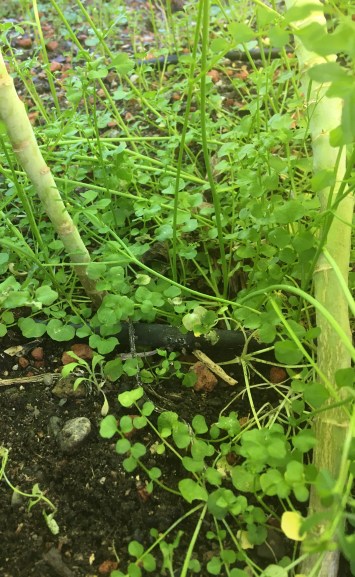
The plants are tall, and with half a dozen house finches hopping from stem to stem and pecking among the flowers, they reminded me of their mustard cousins mentioned in the Bible, in the parable of the mustard seed.
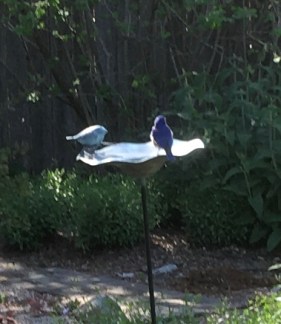
A pair of bluebirds have b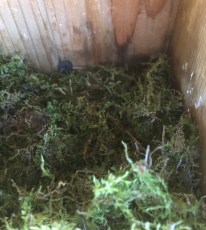 een flitting about the garden for a week at least. They do appear to be playing, randomly flying from tree to tree to arbor to birdbath, swooping across each other’s paths. Weeks ago we saw them checking out the birdhouse, and now I find that there are at least the beginnings of a mossy nest in there, though I haven’t seen them working on it. They don’t sit still for long, but I got this shot that at least shows the male’s bright blueness.
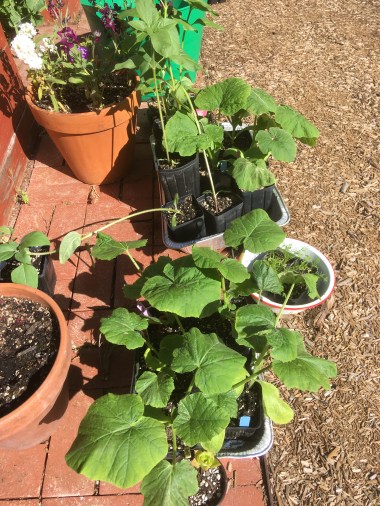
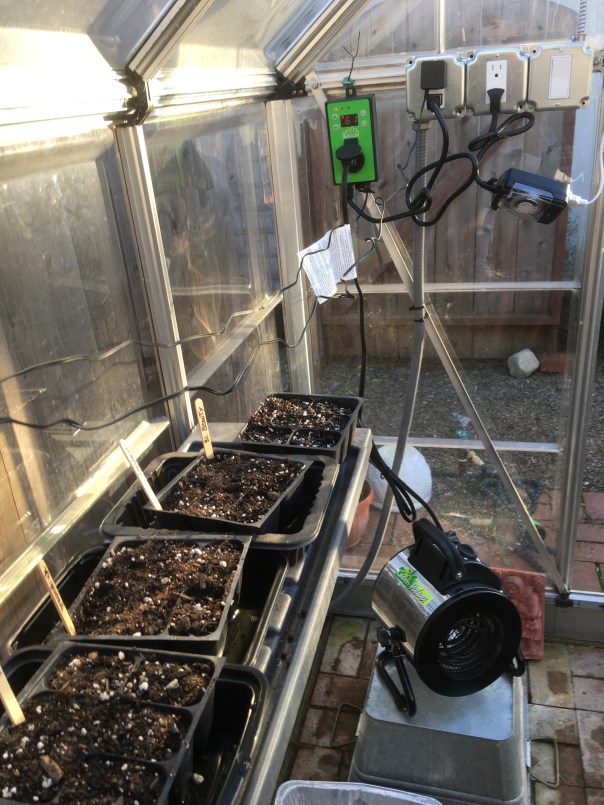
I’ve selectively removed a couple of established ornamentals from the back garden so that I could carve out spaces for all the young plants that have just this week been liberated from the greenhouse. Last night was their first to stay out all night. Normally I wait to plant until May 1st, but that is Holy Saturday, and I won’t have time. No frost is forecast for the next ten days, so this year I will join the many people in my area who commonly plant in April.


Yesterday I invited neighbors over to see my back garden for the first time; I only met them in Covid-time and we have chatted on the sidewalk and texted a lot about our gardens, we have shared seeds and plants and produce. They brought their 2-year old and we had a good visit strolling about and drinking iced rooibos tea. The little boy insisted that both of his parents come into the playhouse with him. I told them that is the first time I’ve had a whole family in there together.

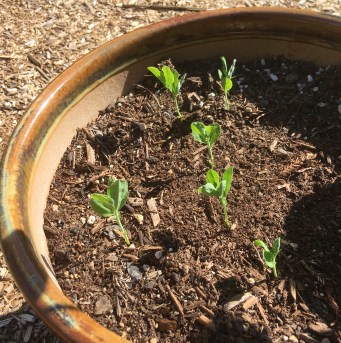
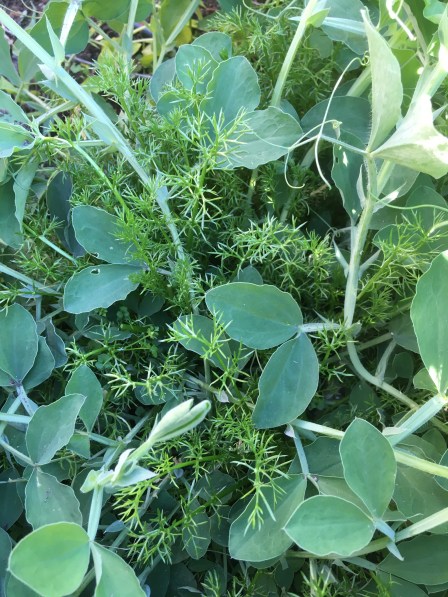
While we were looking at the pea vines, I asked them if they had seen any honeybees yet this season. They said they’d seen one. Suddenly the carpenter bees we’d been watching were joined by excited honeybees and bumblebees! I think they had just got the news about the borage.
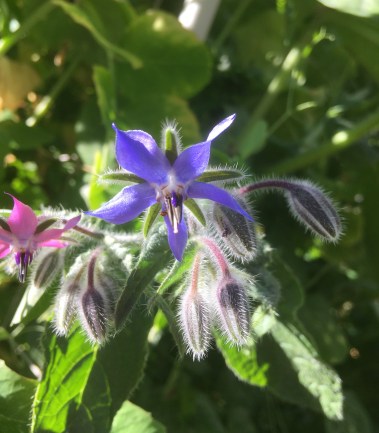
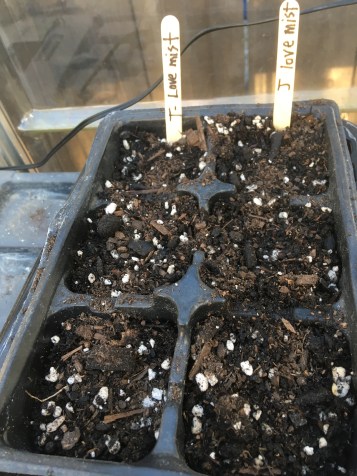
I sent my neighbors home with a dozen plants, most of which I’d 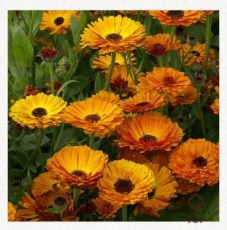 grown from seed this spring, but a few propagated from cuttings, or volunteers removed from the garden and potted up. In the last category were Yellow Bush Lupine and Showy Milkweed.
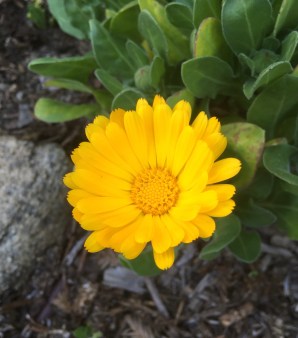
I have a lot of calendula seedlings from seeds that a friend at church gave me from her garden, the Indian Prince mix (picture from seed packet at right). Calendulas are blooming now here; they often overwinter and reseed themselves, but I only have two currently, so I’ll fill in with several new plants. This is one of the established ones:
It is the 5th Sunday of Lent for Orthodox Christians. After this last week of Lent proper, we enter Holy Week; Pascha is May 2nd this year. In this last week the tone changes a bit; it shifts from repentance to watchfulness, our rector told us, and we begin to look forward to the raising of Lazarus, which is a sort of pre-feast of the Resurrection of Christ Himself.

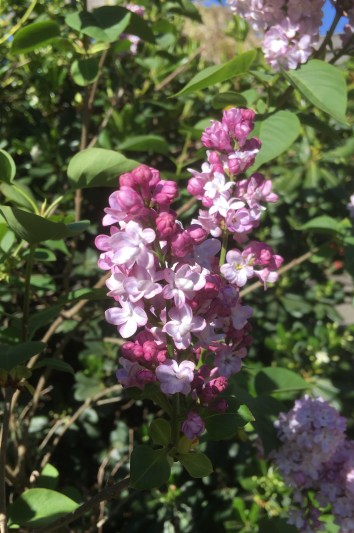
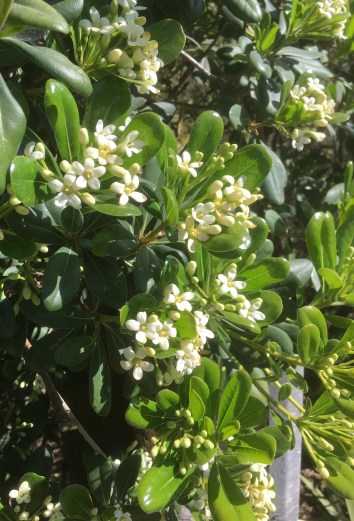
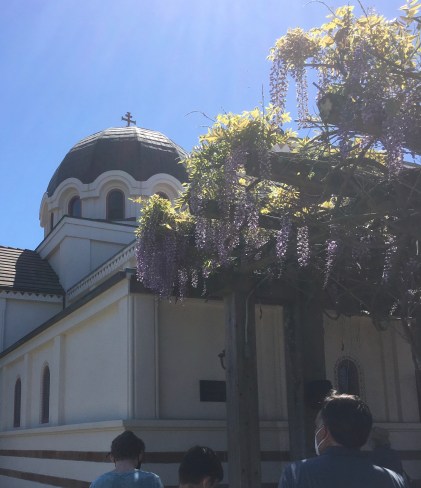
I arrived early today, so I could stop by the hall to drop off a bag of onion skins, which are being collected for dyeing eggs for Pascha. I couldn’t help taking pictures of the wisteria and other beautiful flowers there.
Today we commemorate St. Mary of Egypt, who in our hymnography is often called “Mother Mary,” which can be confusing to those who think of Christ’s mother by that name. We usually call that Mary the Theotokos (“God-bearer”) or the Mother of God, to affirm Christ’s divinity.

This hymn got my attention this morning:
The image of God was truly preserved in thee, O Mother,
for thou didst take up the Cross and follow Christ.
By so doing, thou taughtest us
to disregard the flesh for it passes away;
but to care instead for the soul,
for it is immortal.
Therefore thy spirit, O holy Mother Mary,
rejoices with the angels.
St. Mary of Egypt by her life exhorts us not to slacken our effort in this last week, not to think that we can coast the rest of the way to Pascha. She was repentant and watchful for decades in the desert, and the fruit of her life and testimony has nourished the Church ever since.
As Abba Zosimas said of her, “Truly God did not lie when he promised that those who purify themselves will be like Him. Glory to You, O Christ our God, for showing me through your holy servant, how far I am from perfection.”

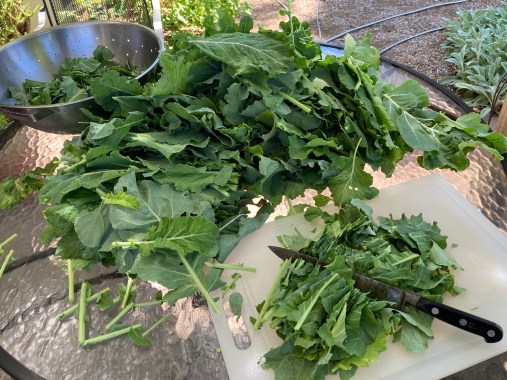
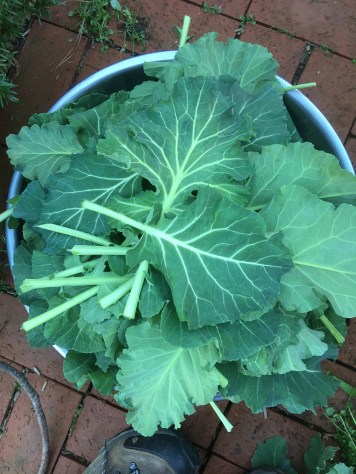
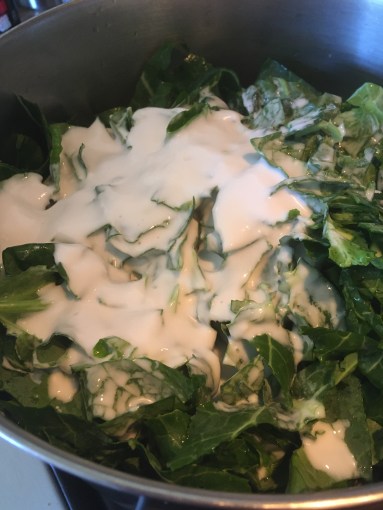
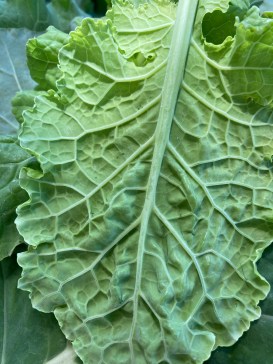 spinach.) But they were lightweight enough that the wind was able to blow a few of the topmost chopped leaves away off the table where I was working. After removing the whole 5-foot row of collards I had such a big pile, I had decided to do the first stage of processing on the patio, where the spring breeze was aggressive.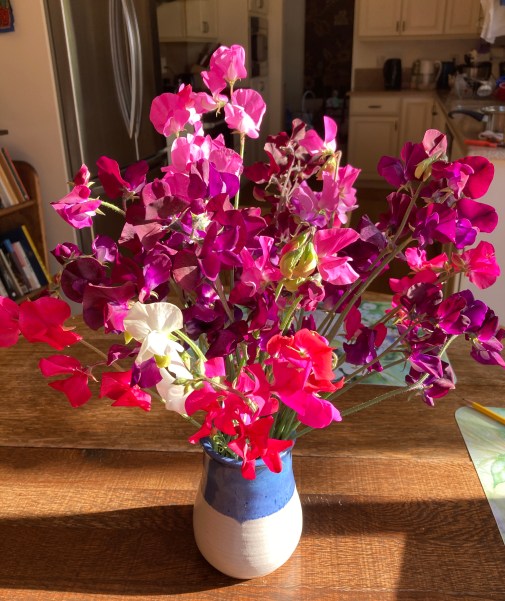






 Gladsome Lights