Tag Archives: figs

Garden tour with figs.

I’ve been thinking a lot about Mrs. J lately. She has been involved in my life in so many ways for over 30 years now, from the time when we became neighbors in the neighborhood where neither of us lives any longer. I hadn’t seen her since my husband’s funeral, and was glad when she phoned today.
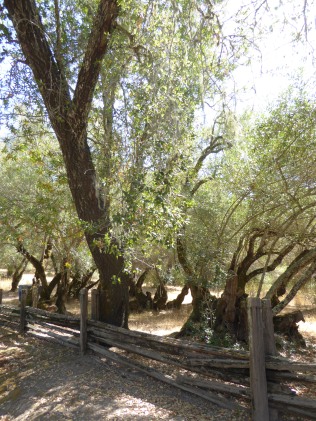
GLP1010502crp

GL olive oak GE 9-15
oaks and olives

Mrs. J has always loved plants, and soon after we met she was taking horticulture classes and learning the botanical names for everything. When we planted a rock garden at our old house she helped us choose the plants, including at least two that I want to plant in my new back yard garden, a Mugo Pine and a Pineapple Guava. Many plants that I love remind me of this friend.

Mrs. J became a realtor and helped us sell that old house and buy this one. She advised us to plant the Sweet Olive bush that has been a joy to me and which I am now nursing back to health from drought. She was the first person I knew to use manzanita bushes in a residential landscape, planting sixteen of them in her front yard across the street.

Usually we see each other once a year for the triple-birthday celebration we have with another friend; the three of us lived on the same street for a couple of years, back when our babies were coming along regularly. We all love gardening and we discovered that we all were born within a four-day period in the same year. We started taking turns preparing birthday lunches for each other, and have celebrated 30 of them so far.

Today is Labor Day, a special day that we never have celebrated together. Mrs. J was surprised to find herself without pressing obligations on this holiday, so she phoned me. I also was without pressing obligations, and as we began to talk about my back yard project we came up with the idea that I might travel the half hour to her place to get a garden tour. I soon was off on a country drive.
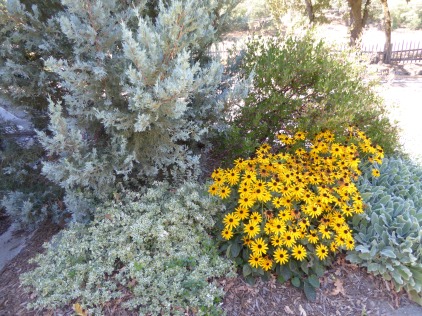
GL P1010515
The sort of grouping we both like.

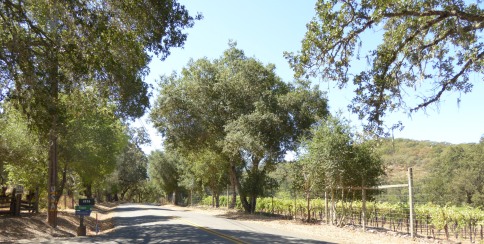
That route made me very nostalgic and weepy. Our family has been driving these roads for 42 years now, and much of our history took place at one end or the other of this winding hilly road through oaks and golden hills, which Mr. Glad also drove back and forth to work for 20+ years.
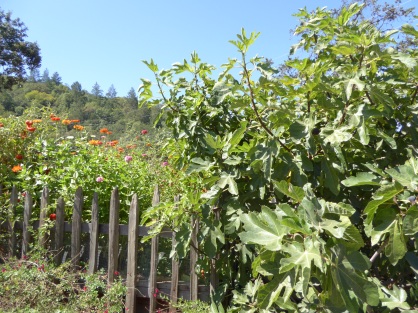
GLP1010514
fig with zinnias

The pictures above are of the stretch of road a mile or two from our old house, where our family would take walks or bike rides. Back then there was no yellow line down the middle; that line seems to me to pretend that the road is always wide enough for two cars.

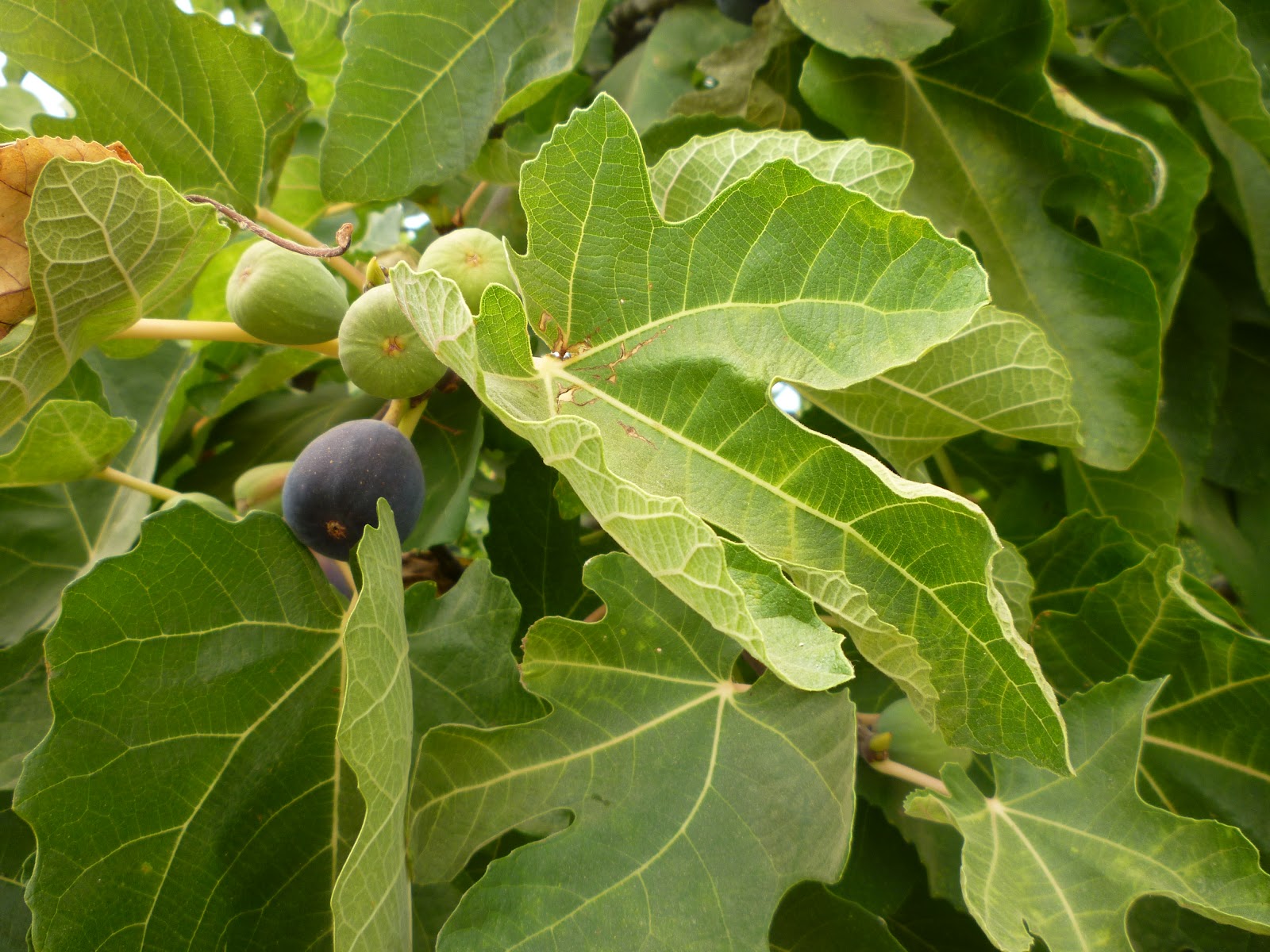
Over the years Mrs. J has designed landscapes and houses in several places. Currently she lives by a creek and has space and resources to use many of the ideas she’s been collecting her life long.  When we went out her front door we soon found ourselves by her beautiful fig tree that had several fruits ready to eat right then. We ate and they were sweet and juicy. Did I tell you I am going to have a fig tree in my garden?
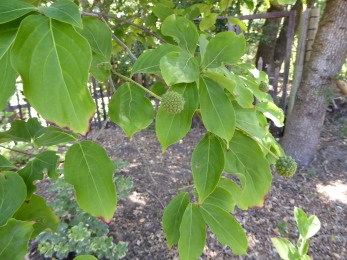
GLP1010521dogwood
dogwood


Dogwoods are a species I don’t plan to have, but Mrs. J loves them and has varieties from all over. They get enough shade from the tall oaks by the creek. This might be the Korean one.


She went up north to Corning, CA and bought an olive tree that is 100 years old. It had been pruned a few months earlier to prepare it for transplanting; now it has been given a spot where it can leaf out and enjoy its new and more temperate home.

GLP1010524crp2

GLP1010523 crp

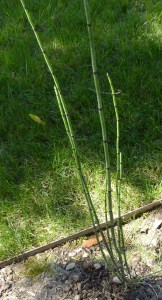
Olive trees don’t need as much water as you might think. Mrs. J had to remove some ornamentals from under another olive tree because the irrigation of them was too much for the tree. In another place, where an emitter is leaking, she cleverly made use of the extra water to plant a clump of horsetail grass.


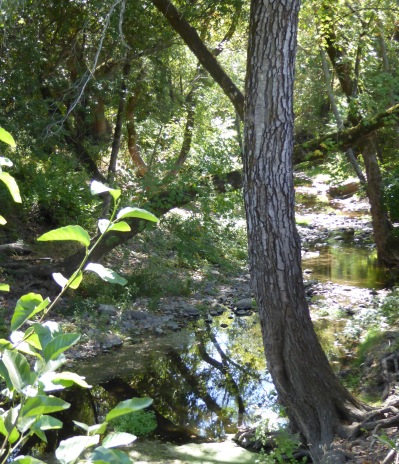
The creek has never been so low, she said; I was surprised that it still had any water at all. In a few months this stream could turn into a torrent. That is our hope and prayer.
GLP1010525crp

Esthetics and Agriculture


We made at least two wrong turns getting to the mountains last month, and they helped put me in touch with my farming roots. In the middle of August the fields are lush with the bounty that gives California’s Central Valley the name of The Greatest Garden in the World. Tomatoes, corn, cotton, walnuts, tree fruits, grapes… Wikipedia says that every non-tropical crop is grown here.

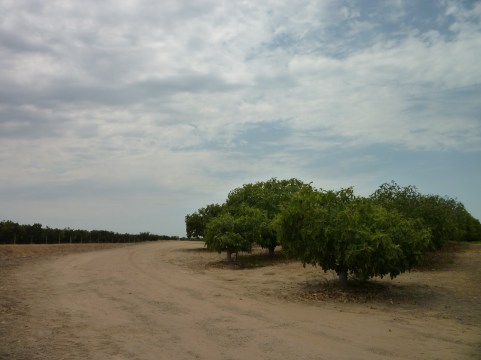
On our second meander, in the northeasterly instead of southeasterly direction, we were surprised to see fig orchards on one side and pomegranates on the other. What could be more exotic or impossible? William Saroyan describes the impossibility in his 1930’s story “The Pomegranate Trees” that Mr. Glad and I have laughed over a few times:
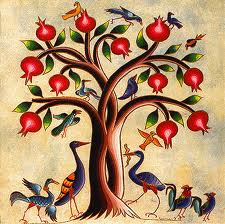
 

“My uncle Melik was just the worst farmer that ever lived. He was too imaginative and poetic for his own good. What he wanted was beauty. He wanted to plant it and see it grow. I myself planted over one hundred pomegranate trees for my uncle one year back there in the good old days of poetry and youth in the world. I drove a John Deere tractor too, and so did my uncle. It was all pure esthetics, not agriculture. My uncle just liked the idea of planting trees and watching them grow.

“Only they wouldn’t grow. It was on account of the soil. The soil was desert soil. It was dry. My uncle waved at the six hundred and eighty acres of desert he had bought and he said in the most poetic Armenian anybody ever heard, Here in this awful desolation a garden shall flower, fountains of cold water shall bubble out of the earth, and all things of beauty shall come into being.”

Melik plans to have apricots, peaches, figs and olives too, but he never gets beyond planting the pomegranates, which eventually fail, because instead of a fountain there is only a trickle of water flowing from the many wells he digs.

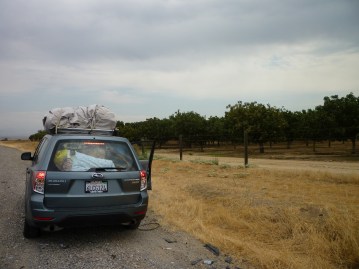
Fig orchard in Madera Co.

But since the 1930’s, state-funded irrigation projects have increased the available farmland to such a degree that in the present day about one-sixth of the irrigated land in the nation is in our Central Valley. The pomegranate trees we saw with their ripening red fruits were not far from where the fictional Uncle Melik farmed.

I do think there is nothing more lovely than a fig tree with its extravagant leaves on curvy branches, and fruits more refreshing than a cup of cold water. Though I grew up in the Valley this was my first sighting of a groveful. I didn’t notice what kind of irrigation system is used in the orchard, but no doubt there was one.

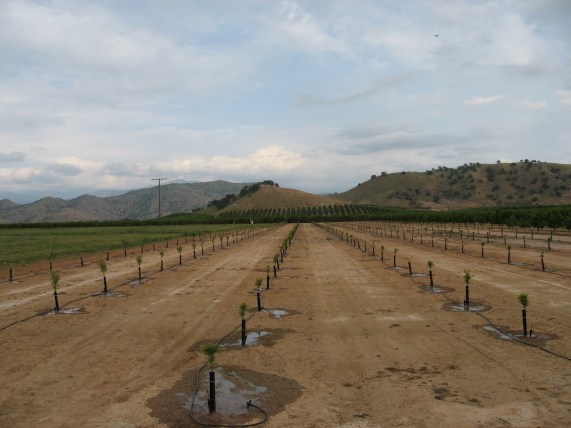
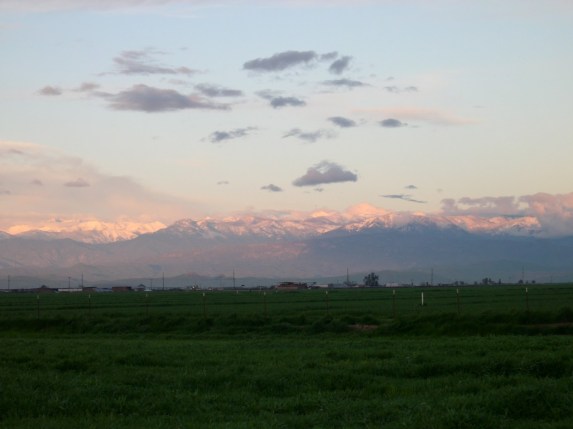
View of Sierras from Tulare County (Pippin pic)

By means of our state water projects we take all that melted mountain snow pack and hold it behind dams so that we can let it out bit-by-bit all through the summer. In this long agricultural center of the state, on less than one percent of the total farmland in the United States, we produce 8% of the nation’s agricultural output by value. (Wikipedia)

Tulare Co. in Spring – still green in places

I’ve been googling to find out how many dams are in California, but that list is too long for me to take the time to count. Maybe I’ll just stick to the ones in the Sierra Nevadas that end up feeding canals and rivers that water orange groves and almond orchards and alfalfa fields. It turns out that list above is sortable, and I can see that in Fresno County alone there are eleven dammed lakes.

When you drive across the state, from a dammed mountain lake to San Francisco Bay Area in one day, the repetition of scenes along the highway impresses on you the importance of water. There are dead almond orchards on Highway 5, on the “West Side” of the Valley, that testify to water wars still going on, and to our inability to grow very much without irrigation.

Westside tomato field in April

It was 101° as we headed home through that fertile swath. All the crops whose irrigation was current were happy. The corn was probably growing inches every day, and the almonds swelling in their shells. We were happy to look out from our car through the windows that were closed to keep in the cooled air.

A little north of the dead trees, on a slope above the freeway, a Hispanic family were systematically planting new almond trees. It dawned on me that Why, yes, it is a week day, a work day, isn’t it? Not all the farm work can be done in the cooler mornings or evenings.

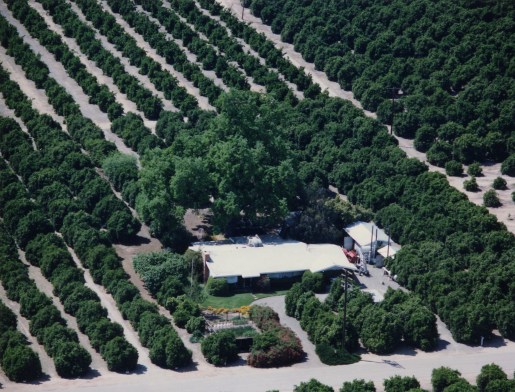
I recalled my sweaty and tanned father getting off his tractor, coming into the house mid-afternoon with a watermelon and slicing it into rounds at the kitchen counter. He’d put one big slice on a plate and eat it with a fork before going back out to take care of his orange trees.

Water melon. Melons are some of those things of beauty that Uncle Melik likely envisioned as he was trying to find their necessary water. And the people who tend the earth’s gardens, who are willing to build the dams and plant the trees and irrigate them all summer long are beautiful to me, too.

The house where my father ate watermelon.
Gardening requires lots of water – 
most of it in the form of perspiration. 

~Lou Erickson