AT UNIVERSITY
Puritans reckoned the cadavers
in Anatomy were drunks off the street;
idealists said they were benefactors
who had willed their bodies to science,
but the averted manila-colored
people on the tables had pinned-back
graves excavated in them
around which they lay scattered in the end
as if exhumed from themselves.
-Les Murray

This month marks ten years since my husband’s departing from his earthly life, which leads me to meditate again on this topic. And today is one of the Memorial Saturdays we Orthodox have during Lent:
“Saturday is the day which the Church has set aside for the commemoration of faithful Orthodox Christians departed this life in the hope of resurrection to eternal life. Since the Divine Liturgy cannot be served on weekdays during Great Lent, the second, third, and fourth Saturdays of the Fast are appointed as Soul Saturdays when the departed are remembered at Liturgy.” (OCA)
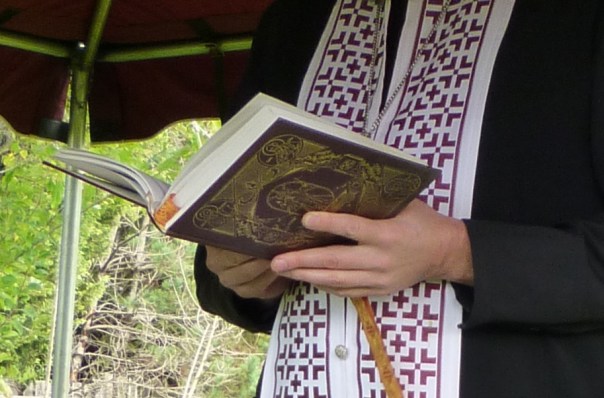 Les Murray’s poem recognizes something about human beings that our modern consciousness rarely grasps: the unity that exists between soul and body, and the brutality of violating the physical aspect of a fellow human.
Father John Whiteford writes that sometimes,
“…you will hear people say that the deceased is not in the coffin but with Christ, for example. However, if a person dies in Christ, their souls will be with Christ, but until the general resurrection, their body remains a part of them that will one day be reunited with their souls (though their body will be transformed) — and as such, the soul apart from the body is not the whole person (2 Corinthians 5:1-5).
If you are interested to know more about the Orthodox perspective on end-of-life issues, you might check out the Ancient Faith podcast “A Christian Ending” from Deacon Mark Barna, who has also co-authored a book by that title. Episodes of the podcast include: “Understanding Death,” “Cremation,” and “Preparing the Body for Burial,” and about a dozen more.

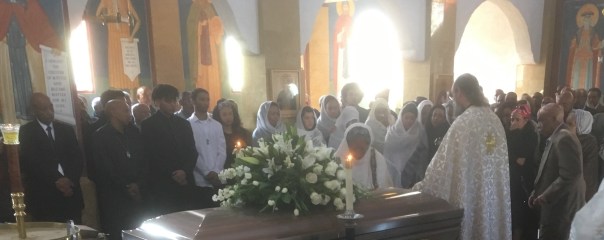
In the wholeness of Orthodox vision and practice, “…death is a change, but not an end. That which we see, the body, remains important and worthy of honor. A funeral, the service of remembrance, is a sacramental gathering in the presence of God. The body is honored, even venerated. The life of remembrance, eternal remembrance, begins.”
-Father Stephen Freeman, “A Secular Death”
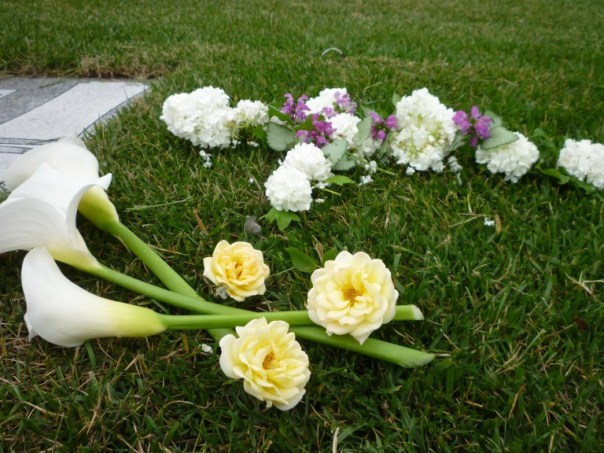
 Last week, I returned from Washington and my grandson’s wedding. On that travel day, before I left my Airbnb for the airport, I learned that a beloved sister in Christ, C., only 40 years old, had passed from this life after many years of suffering. It was arranged via texts while I was going through security at Sea-Tac that a friend of hers named Tia, who was coming from New York for the funeral, would stay at my house.
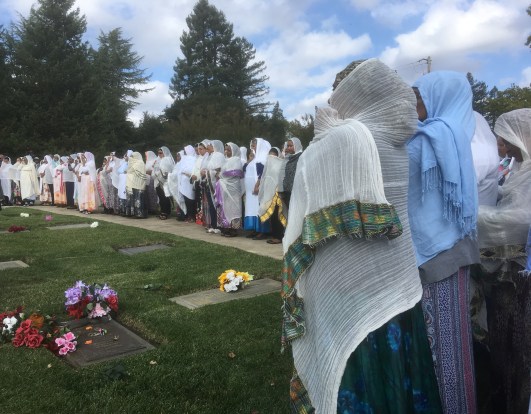
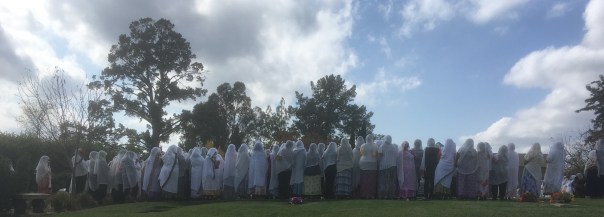
 The repose of such a young wife and mother, who had been a bright light in the world, was hard to feel easy about, even though we were glad that her suffering was ended. Not a month before, we’d said good-bye to a man in his 80’s who also had been ill for a while, and who no doubt is happy to have finished his race; but he had found the Church and a wife late in life, and it wasn’t comfortable in his case, either, for her or for any of us to let go of him. Is any human death insignificant, that we who are left behind can be left unchanged?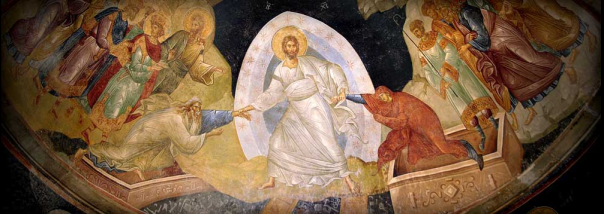


 Gladsome Lights