Tag Archives: ocean

The Moon and the Sea.

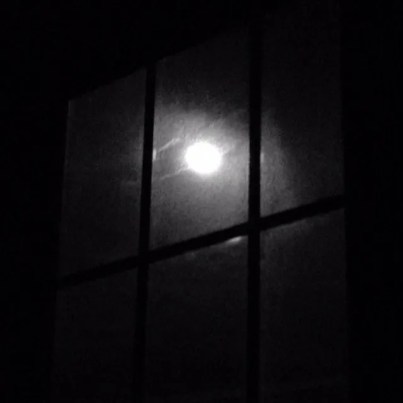
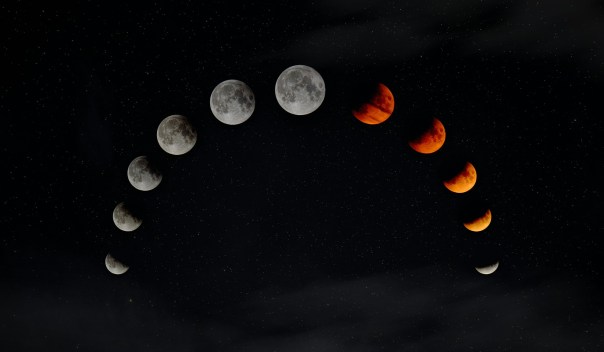
Photo by Zoltan Tasi on Unsplash

Last week I happened to be sitting at the computer when my friend Rosemary sent me a beautiful photo of the copper-colored moon. It was a picture her son had just then taken in Idaho, with the aid of a telescope, of the partial eclipse. I had not known about the eclipse until that moment, so I headed out the front door to see what I could see. I think there was a little cloud cover — or maybe it was just the distance making the image a bit foggy. In any case I could definitely see that the moon was leaving the umbra. That was fun!

This poem is about more common lunar events, and their effect on the ocean. It is one that has been waiting in my drafts folder for some time; after my viewing of that “relationship drama” in the sky, it seems a good time to publish it. I want to make some further comment, because the poem moves me so deeply. But — it seems that’s all I can tell you. It is a whole and complete thing, in every way.

A SONNET OF THE MOON

Look how the pale Queen of the silent night
Doth cause the Ocean to attend upon her,
And he, as long as she is in his sight,
With his full tide is ready her to honor.

But when the silver waggon of the Moon
Is mounted up so high he cannot follow,
The sea calls home his crystal waves to moan,
And with low ebb doth manifest his sorrow.

So you that are the sovereign of my heart
Have all my joys attending on your will,
My joys low-ebbing when you do depart,
When you return their tide my heart doth fill.

So as you come, and as you do depart,
Joys ebb and flow within my tender heart.

-Charles Best
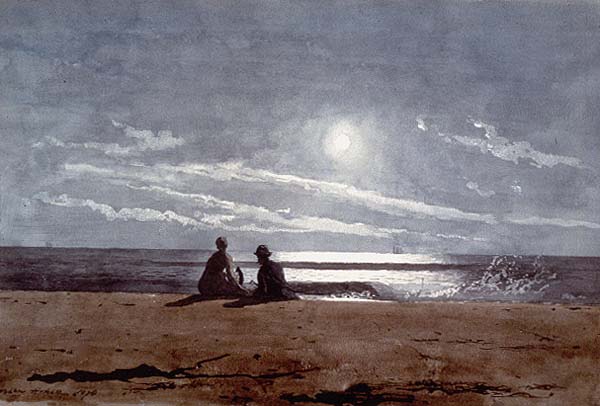
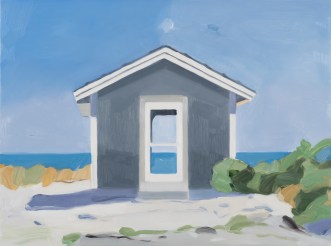
Winslow Homer, Moonlight


Our prayers are like waves.

THE OTHER

There are nights that are so still
that I can hear the small owl calling
far off and a fox barking
miles away. It is then that I lie
in the lean hours awake listening
to the swell born somewhere in the Atlantic
rising and falling, rising and falling
wave on wave on the long shore
by the village, that is without light
and companionless. And the thought comes
of that other being who is awake, too,
letting our prayers break on him,
not like this for a few hours,
but for days, years, for eternity.

-R. S. Thomas

We came to the setting of the sun…

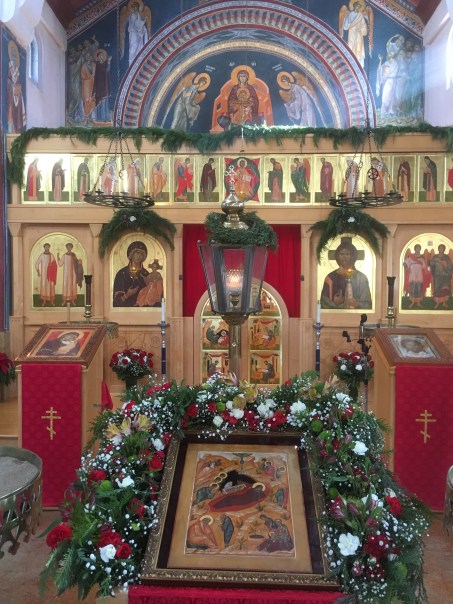
The Second Day of Nativity was splendid.

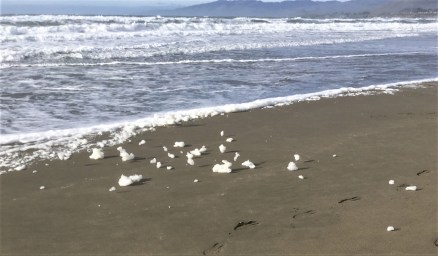
After Liturgy friend Margaret and I went to breakfast and then out to the coast to walk on the beach. The sun was shining but it was wintry with wind beating against us from every direction and tearing the sea foam into chunks of confetti which then ran away across the sand.

We walked and talked and talked and walked, and kind of got lost. We had pushed a long way to the south without realizing it, and then when we came back, we couldn’t recognize the path by which we had come down through the dunes at the start. So, up we walked on a different path, me thinking we might have gone too far and were at the northern access to the beach. Nope. After looking at a map that a couple of newbies were kind enough to show us (we who named this our favorite beach!) we realized that we had crossed an invisible boundary to the next beach south, and were still not back to the beach we’d started out on. We had a long way to go yet back to the car.

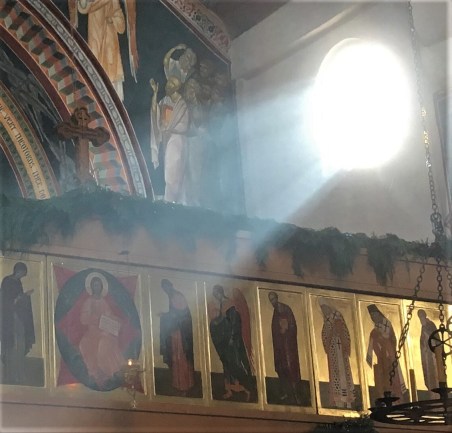
So we kept on, till we got to the proper exit, and then turned around to face the sea once more as the sun was going down, for a good-bye. We said a couple of prayers together, ending with “the earliest known Christian hymn recorded outside of the Bible that is still in use today,” Phos Hilaron, which we know as “O Gladsome Light.”

O Gladsome Light of the holy glory
of the immortal, heavenly, holy, blessed Father:
O Jesus Christ.

Now that we have come to the setting of the sun,
and behold the light of evening, we praise God:
Father, Son and Holy Spirit.

For meet it is at all times to worship Thee with voices of praise,
O Son of God and Giver of life;
therefore all the world doth glorify Thee.