All posts by GretchenJoanna

Unknown's avatar

About GretchenJoanna

Orthodox Christian, widowed in 2015; mother, grandmother. Love to read, garden, cook, write letters and a hundred other home-making activities.

Pressing on to the wasteland.

Another good quote for Lent, thanks to s-p at Pithless Thoughts (posted a while back), from a Malcolm Muggeridge essay on life at the end of the last century. It seems to me still applicable in the 21st, as he describes how direly we need the Savior:

As the astronauts soar into the vast eternities of space, on earth the garbage piles higher, as the groves of academe extend their domain, their alumni’s arms reach lower, as the phallic cult spreads, so does impotence. In great wealth, great poverty; in health, sickness, in numbers, deception. Gorging, left hungry; sedated, left restless; telling all, hiding all; in flesh united, forever separate. So we press on through the valley of abundance that leads to the wasteland of satiety, passing through the gardens of fantasy; seeking happiness ever more ardently, and finding despair ever more surely.

On the ground with the White Horse.


Last week The Garners posted about G.K. Chesterton’s Ballad of the White Horse, which caused me to dig out my cassette tapes of the author reading his own poem — how thrilling! Too bad they were made from a scratchy recording so that it’s very hard to appreciate the poem itself. Still, the directness of the connection to the very voice and person of the poet mean a lot to me.

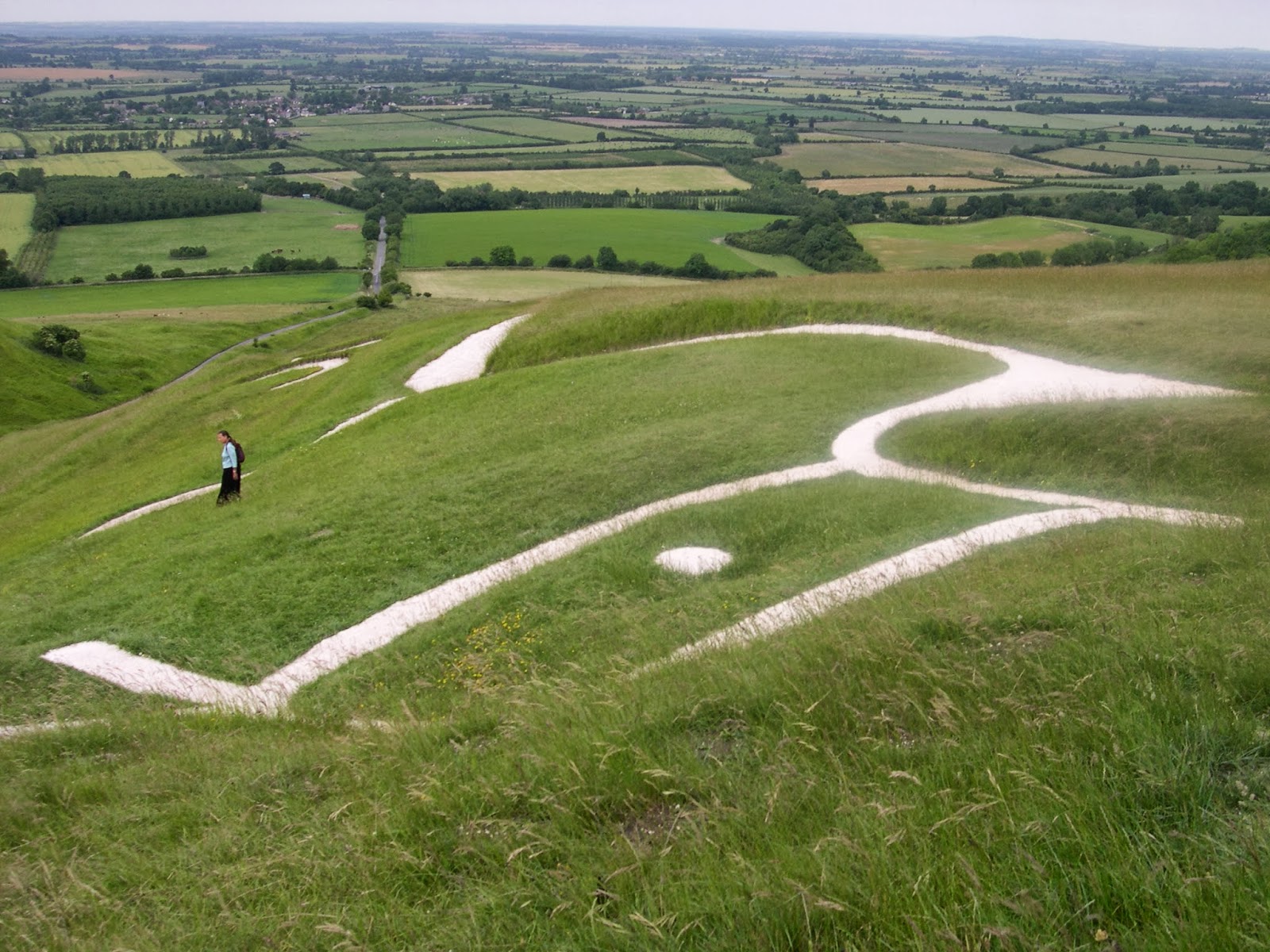
What made me interested in the Ballad in the first place was taking a trip to Britain with daughter Pippin nine years ago. We both very much wanted to see White Horse Hill in Uffington while we were there, and we found it quite empty of any other humans the day we visited. We hiked up the hill to the chalk art that is thought to be 2,000 to 3,000 years old, and wandered around the horse’s anatomy. We couldn’t pull ourselves away. I just could not get over — here it is again — the earthy material link to ancient peoples and the mysteries of their culture and history.

One thing we share with the ancient people who carved the trenches of this design is human nature, the gifts of the Creator who made us in His image, glorious even in a tarnished condition. The horse reveals the creative aspect of that image, and Chesterton’s ballad shows his own artistry while it tells a human and Christian tale set in King Alfred’s day. The imagery in this stanza, which I think pertinent to the Lenten season, illuminates another aspect of our humanity that we share with our ancestors: the impulse to stand before God in worship, fighting with the desire to be God:

Pride juggles with her toppling towers,
They strike the sun and cease,
But the firm feet of humility
They grip the ground like trees.

–G.K. Chesterton, The Ballad of the White Horse                 

Thinking again about this world history and my history, I want to revisit the horse vicariously, by means of the poem slightly more removed from the poet than my old cassettes. So I just ordered this edition of the book, which I think is the one I bought two copies of in the past for gifts. The American Chesterton Society will be sending me this CD, read by Aidan Mackey, who sounds as though he is very likely, once I put that disk in the player, to send me right back to England and White Horse Hill.
[update: the recording was annoyingly scratchy and almost as bad as the old one of GKC himself. 😦  ]

Linking up to Weekends With Chesterton

Things that might – and did – happen in March.

1 – My sister might send us a box of mandarins from California’s Central Valley. She and her husband grow these very fancy Dekopons, as they are known in Japan, under the label Sumo. You aren’t likely to see many of them in our U.S. stores for a while, but I just read that in Japan they already have Dekopon chewing gum.

They are awfully good, large and seedless and easy to peel, with a taste that reminds me of the fruits that we children gorged on from our father’s trees many decades ago, and which I still will savor if I get down there at the right time of year.

2 – I might decide to make a giant pot of vegetable and bean soup to last us through Lent and beyond. This is the Bean Soup Mix after soaking all night. The small brown beans are Tepary beans I bought at a farmers’ market years ago; I found them in the pantry and threw them into the lot.


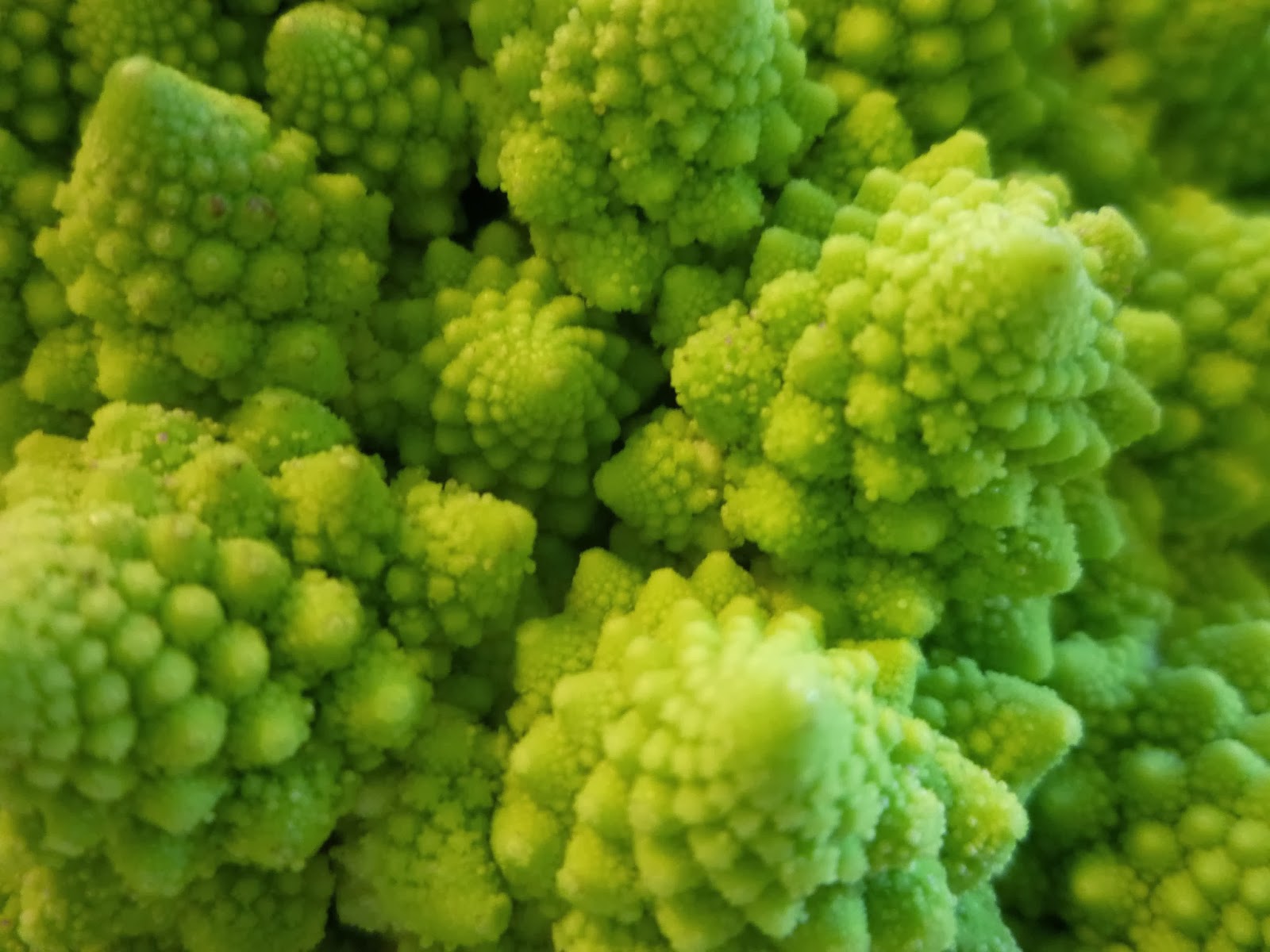
3 – My CSA box might contain a pale green and spikey cauliflower, which they call Romanesco. I chopped it up put it into the soup, so I don’t know if it tastes any different from the usual cauliflower. But it looks interesting.

4 – The osmanthus might bloom, so that when I come up the sidewalk to the front door I swoon over its sweetness, and decide to cut some branches to bring inside.

It’s warm enough now that I felt safe sticking two of my old orchids out on the patio; the only one that bloomed I put in the garage. I’ve gotten so used to them, I might buy a blooming plant to have in the house if Costco is still selling them.

All these things DID happen. I’m loving Lent and Spring.

The satisfaction of pride.

This poem would have been perfect for the Sunday of the Publican and the Pharisee, but I don’t want to wait another year to post it. Anyway, something on pride is very fitting for Lent.

THE SEVEN DEADLY SINS

Forget about the other six, says Pride.
They’re only using you.
Admittedly, Lust is a looker,
but you can do better.

And why do they keep bringing us
to this cheesy dive?
The food’s so bad that even Gluttony
can’t finish his meal.

Notice how Avarice
keeps refilling his glass
whenever he thinks we’re not looking,
while Envy eyes your plate.

Hell, we’re not even done, and Anger
is already arguing about the bill.
I’m the only one who
ever leaves a decent tip.

Let them all go, the losers!
It’s a relief to see Sloth’s
fat ass go out the door.
But stick around. I have a story

that not everyone appreciates—
about the special satisfaction
of staying on board as the last
grubby lifeboat pushes away.

— Dana Gioia

Published in First Things Aug/Sept 2010