I’m gushing every day over my lush garden; once again this year, but twice as much, the extra rain has prompted everything to grow BIG! A friend said it’s because the precipitation was spread out more evenly over the season.
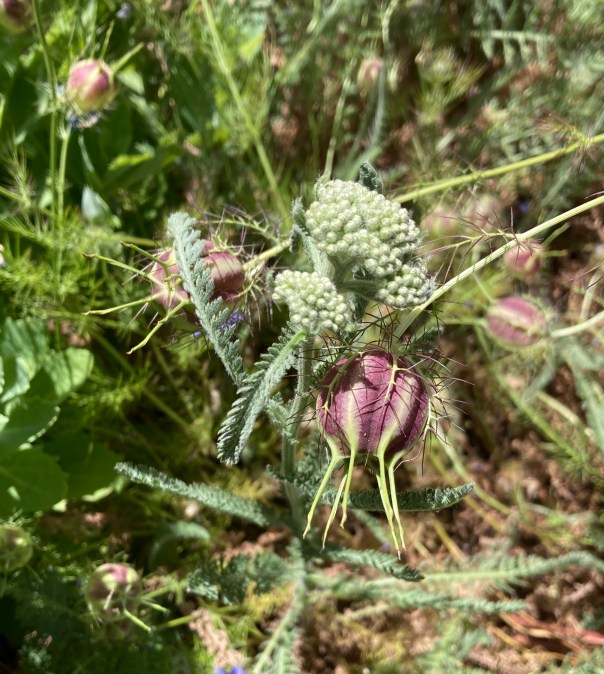
Nigella, or Love-in-a-Mist, has spread its soft, blue-blossomed self all over the place, so much so that I needed to rescue a lot of plants from the stems that had grown tall, taller, and so tall, with their seed pods getting heavy, that they lost their balance and fell down on the surrounding lavender, germander, yarrow — whatever was there, trying to come into bloom itself.
It’s a happy chaos, out there. But a gardener must garden, and manage things, if lightly.
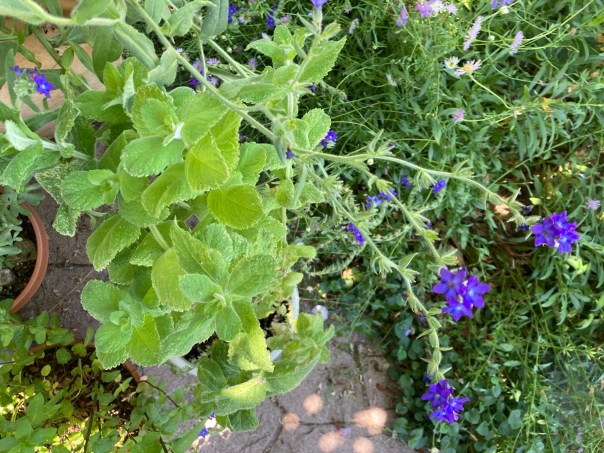
Verbena planted last fall.Apple mint and Bugloss.
The hopbushes (dononea) seem to be extra full and extra colorful this year:
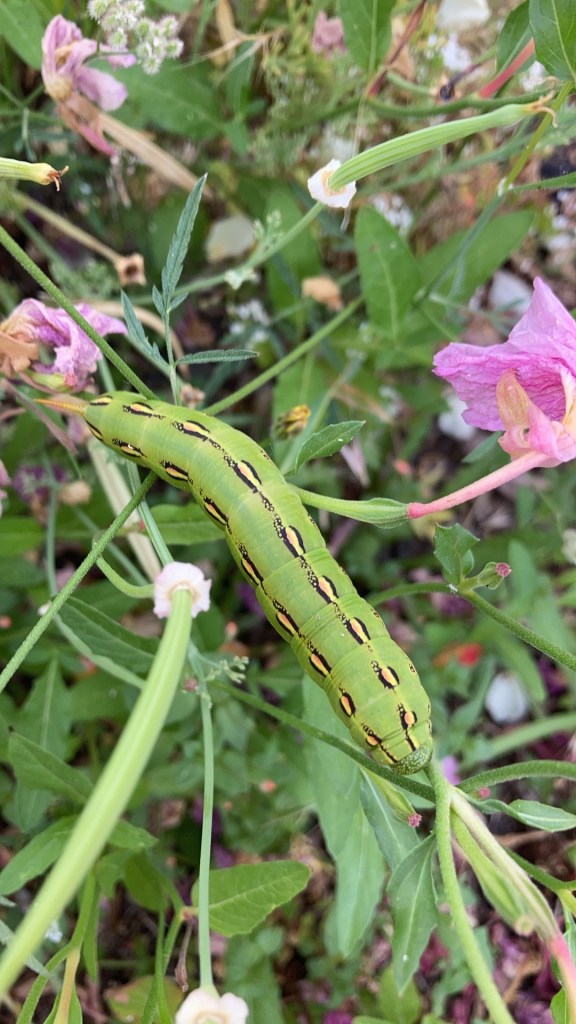
Yarrow buds and nigella pods clinging.White-lined Sphinx Moth amongst the Mexican Evening Primrose.Showy Milkweed
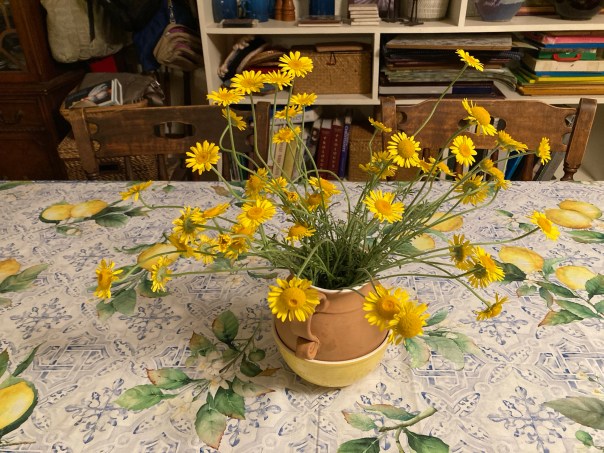
When I was lifting nigella off the echinacea out front, I noticed that the Golden Margeurite also was encroaching and reclining, on the germander nearby. I had to cut it back a lot, but you can hardly tell, there is so much of it. I brought it indoors and it has made a long-lasting bouquet of golden sunshine.
Yesterday we commemorated St. Columba. It was the Sunday of the Blind Man in the Orthodox Church, and I was getting ready to chant-read the prayers of the 3rd and 6th Hours before Liturgy. Usually on Sundays there are two changeable parts of those readings called troparia, always one for the Resurrection, and often another for the feast or saint of the day. There was another sort of hymn, a kontakion, for the Blind Man, but there was not a troparian hymn in the lectionary for that event.
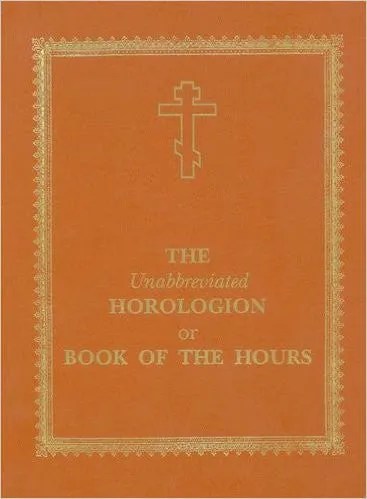
So our rector said I might read the troparion to St. Columba, which I did. I can’t find the text of it anywhere online now; I read it in the Horologion, or Book of the Hours, which is a big book of texts used, mostly by the reader or cantor, in liturgical services of the Orthodox Church, both the fixed and movable parts.
He also suggested that I take home a copy of that tome, to spend a while familiarizing myself with it. Occasionally over the years someone instructs me, in a very hit-and-miss fashion, on how to find what I need in the Horologion, but I seem to be dense when it comes to learning anything that I have to read standing, at a lectern, for example. So I’ll be glad to bring the book home and read at my leisure through the church calendar, with its treasures of saints and feasts.
Fr. Malcolm Guite was remembering St. Columba yesterday, too, and tells the story of how his mystical connection to the saint was renewed in his youth, “Columba and My Calling,” on his blog. An excerpt:
“One evening, St. John’s Eve it was, right at the end of my journey, I came round a headland at sunset into a beautiful little bay and inlet on the west coast in Donegal, just as the fires were being lit around the headlands for St. John’s Eve, and there was drinking and fiddle playing and dancing round the fires that evening. And I asked where I was, and they said Glencolmcille, and I felt a sudden quickening and sense of connection, as though a memory stirred. And they asked me my name and I said ‘Malcolm’, and they said, ‘Ah that is why you have come, because he has called you’, and I said ‘who?’ and they said ‘Colm has called you, Malcolm, for this is the place he fought his battle and gathered his disciples and from here he left for the white martyrdom and Scotland.”
St Columba’s Church, Gartan, Donegal.
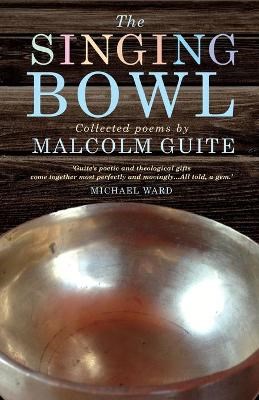
He has written a touching sonnet in honor of his saint and that “small epiphany,” from which I took the title of this blog post. You can read “Columba,” and/or listen to him read it: here. It’s one of the poems in his book, The Singing Bowl.
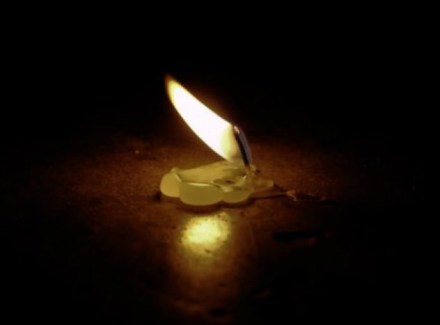
Today there have been lovely things I never saw before; sunlight through a jar of marmalade; a blue gate; a rainbow in soapsuds on dishwater; candlelight on butter; the crinkled smile of a little girl who had new shoes with tassels; a chickadee on a thorn-apple; empurpled mud under a willow, where white geese slept; white ruffled curtains sifting moonlight on the scrubbed kitchen floor; the under-side of a white-oak leaf; ruts in the road at sunset; an egg yolk in a blue bowl.
Lord, I know that even my asking for spiritual enlightenment is mostly a lie, as my motivations are so mixed….
Nevertheless, hear my words, O Lord, divorced from all the falseness with which I say them.
And Lord, I am not closing my eyes as I pray this, nor scrunching up my face and emotions with spirituality,
as if on my own I could change myself, or as if, having made this awesome scrunchy-faced effort, it won’t be my fault when you don’t answer this prayer for my renewal.
Rather, I am genuinely accepting that I don’t know what precisely would have to change in me for me to love you more.
This unknown change, which you do know, is what I pray for: I pray against myself. Amen.
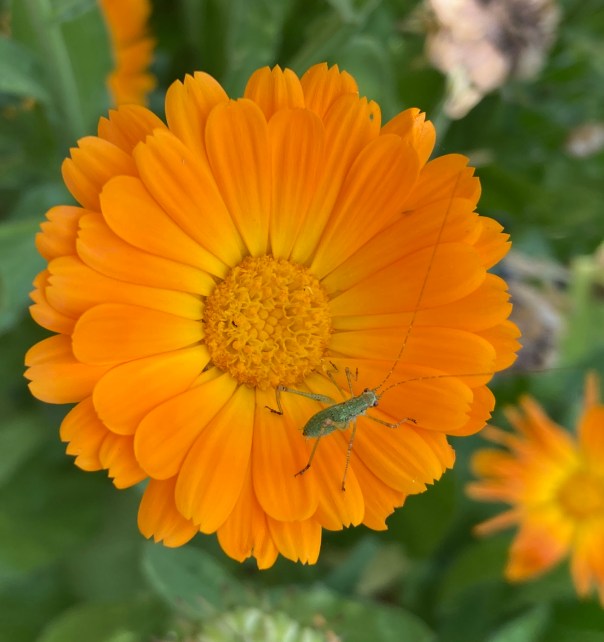 I’m gushing every day over my lush garden; once again this year, but twice as much, the extra rain has prompted everything to grow BIG! A friend said it’s because the precipitation was spread out more evenly over the season.



 Liturgy. Usually on Sundays there are two changeable parts of those readings called troparia, always one for the Resurrection, and often another for the feast or saint of the day. There was another sort of hymn, a kontakion, for the Blind Man, but there was not a troparian hymn in the lectionary for that event.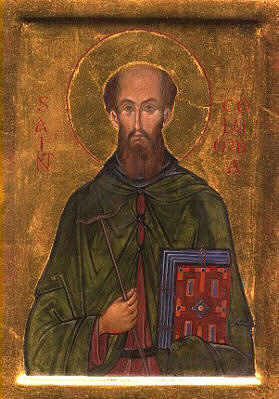
 “One evening, St. John’s Eve it was, right at the end of my journey, I came round a headland at sunset into a beautiful little bay and inlet on the west coast in Donegal, just as the fires were being lit around the headlands for St. John’s Eve, and there was drinking and fiddle playing and dancing round the fires that evening. And I asked where I was, and they said Glencolmcille, and I felt a sudden quickening and sense of connection, as though a memory stirred. And they asked me my name and I said ‘Malcolm’, and they said, ‘Ah that is why you have come, because he has called you’, and I said ‘who?’ and they said ‘Colm has called you, Malcolm, for this is the place he fought his battle and gathered his disciples and from here he left for the white martyrdom and Scotland.”

 Gladsome Lights