 I think of Deb at Readerbuzz as omnilegent, someone who has read everything. There’s no denying, in any case, that she reads a lot of books. She is a librarian who often comes up with much more than book reviews on her blog, like this recent post about words for book lovers. One of the words is abibliophobia, the fear of running out of reading material. At first I thought, Ha! I don’t have that, although I am a little sad (not fearful) that I’m running out of time to become omnilegent. But maybe abibliophobia is exactly what I am demonstrating when I obsess about which and how many books to take on a short trip, when I will probably not have time to read a chapter of anything.
 If I had a vade mecum, it would take care of a good deal of book angst. Well, perhaps I do, if you count the pocket-sized one I sometimes carry in my purse. You might like to go read Deb’s list, with definitions, for yourself. But for me, it’s time to move on to other less mind-y work. Please tell me if you have, or ever did have, a vade mecum. My friend Di told me recently that when she was in high school, hers was Sartre’s Being and Consciousness. I had planned to use that bit of trivia in a future post but in case I don’t get there…
Enjoy your reading and your whole life.

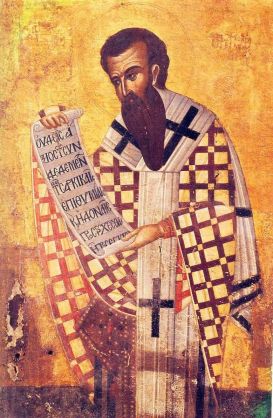
 When we say that God is spirit, we say simply that he is not matter as we know it, that he is something quite different. In that sense it is a negative description that belongs already without the word, to that form of theology which is negative theology, apophatic theology, a theology of paradoxes, a theology that uses words to point toward the ineffable — that which can neither be described nor put into words and yet which must be indicated somehow in speech.
 Gladsome Lights